
Quick answer: Only take a supplement to fill a specific gap. The clearest examples are vitamin D if you get little sun (600 to 800 IU a day, NIH), creatine if you strength train (3 to 5 g a day, Kreider et al., 2017), omega-3 if you rarely eat oily fish (NIH) and magnesium if your diet is low in it, keeping supplements at or below 350 mg a day (NIH). Choose products with an independent quality seal, and check with your doctor if you take prescription medicines.
The Best Supplements of 2026: What Is Worth Taking
Six Popular Picks and What to Check
Click any pick to see the full guide with doses, alternatives and the research.
 Editor's #1
Creapure Monohydrate
The most studied sports supplement, with hundreds of trials
See full guide → Multi-form
BiOptimizers Breakthrough
Multi-form blend; the label serving gives 500 mg, above the 350 mg daily limit
See full guide → Fish oil
Nordic Naturals Ultimate Omega
650 mg EPA + 450 mg DHA per 2 softgels (1.1 g); one softgel stays under 1 g a day
See full guide → D3 + K2
Carlson Super Daily D3 + K2
2,000 IU D3 + 45 mcg K2 (MK-7) per drop, below the 4,000 IU daily limit
See full guide → Mushroom
Host Defense Lion's Mane
Organic mushroom mycelium, 1 g per 2 capsules; human evidence for brain benefits is limited
See full guide →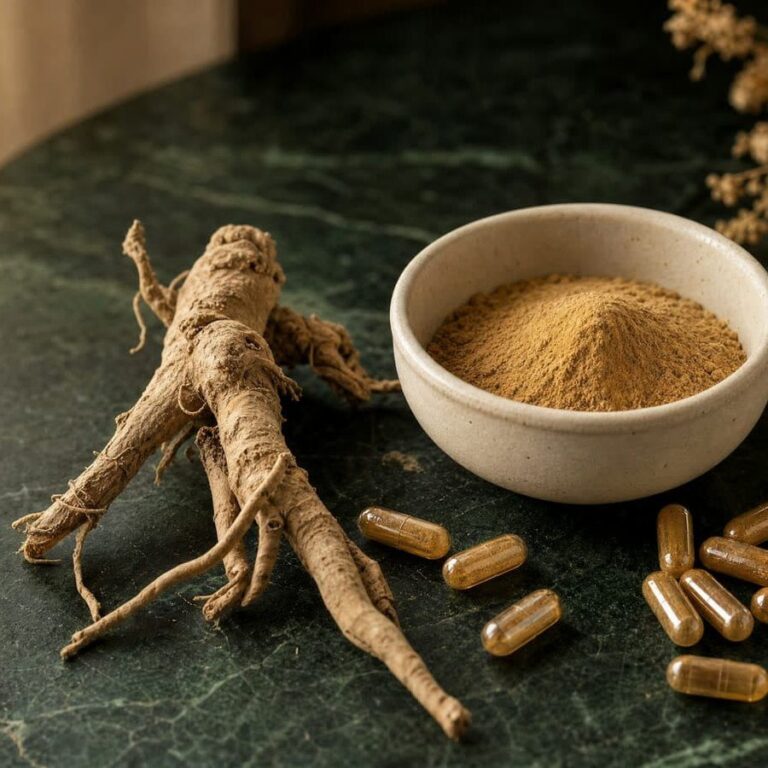 Sensoril
LE Optimized Ashwagandha
Sensoril extract, 125 mg per capsule; use for up to 3 months
See full guide →Methodology: Picks are based on published research, label doses and third-party certifications listed by each brand; we do not lab-test products. Affiliate disclosure: we earn a small commission if you buy through these links, at no extra cost to you.
This guide covers six popular supplements, what the trials and official fact sheets say about each, the doses they used and who should be careful.
Six Popular Supplements, Checked Against the Evidence
1. Creatine Monohydrate
One of the most studied sports supplements: the ISSN calls creatine monohydrate the most effective supplement for increasing high-intensity exercise capacity and lean mass during training, and found up to 30 g a day for 5 years safe in healthy people; several authors of that position stand work in the supplement industry (Kreider et al., 2017). Taking 3 to 5 g a day keeps muscle stores full, and people who start with low stores, such as vegetarians, may gain more (Kreider et al., 2017). A 2018 review of 6 trials found better short-term memory in some groups, mainly older adults, and no change in young people (Avgerinos et al., 2018).
2. Magnesium
About half of Americans (48%) get less magnesium from food than they need, and magnesium is a cofactor in more than 300 enzyme systems (NIH). Forms that dissolve well in liquid, such as citrate, chloride and lactate, are absorbed better than oxide, and supplements should stay at or below 350 mg a day, because high doses can cause diarrhea, nausea and cramps (NIH).
3. Omega-3 (EPA and DHA)
Long-chain fats found mainly in oily fish. US adults get only about 90 mg of EPA plus DHA a day from food, while EFSA sets an adequate intake of 250 mg (NIH). Take it with a meal that contains fat: in one study, EPA absorption from fish oil rose from 69% to 90% with a high-fat meal (Lawson and Hughes, 1988). In heart trials, more than 1 g a day was linked with a higher risk of atrial fibrillation (Gencer et al., 2021).
4. Vitamin D3 and K2
The RDA for vitamin D is 600 IU a day up to age 70 and 800 IU after that, 4,000 IU is the adult upper limit rather than a target, and it is absorbed better with some fat in the meal (NIH). Results for adding vitamin K2 are mixed: 180 mcg a day of MK-7 slowed age-related bone loss over 3 years in postmenopausal women (Knapen et al., 2013), but in 365 men with aortic valve calcification, high-dose K2 with vitamin D did not slow calcification over 2 years (Diederichsen et al., 2022). If you take warfarin, talk to your doctor before changing your vitamin K intake (NIH).
5. Ashwagandha
Across trials it lowered cortisol (by 1.16 µg/dL in 7 trials) but had no clear effect on perceived stress (Albalawi, 2025), and it raised testosterone modestly in men (Fornalik et al., 2026). It may be safe for up to 3 months; avoid it in pregnancy and breastfeeding, with thyroid or autoimmune conditions or before surgery, and check with your doctor if you take diabetes, blood pressure, thyroid, sedative, anti-seizure or immune-suppressing medicines, since rare cases of liver injury have been reported (NCCIH).
6. Collagen Peptides
Across 23 trials, collagen supplements improved skin hydration, elasticity and wrinkles, but only in industry-funded trials; independent and high-quality trials found no effect (Myung and Park, 2025).
Where to Start
If you strength train and want just one supplement, start with creatine monohydrate (Kreider et al., 2017). A simple starter list, each item for a specific reason:
- Creatine: 3 to 5 g a day if you strength train (Kreider et al., 2017).
- Magnesium: up to 350 mg a day from supplements, only if your diet is low in it (NIH).
- Omega-3: about 250 mg of EPA plus DHA a day with a meal if you rarely eat oily fish (NIH); take more than 1 g a day only on your doctor’s advice (Gencer et al., 2021).
- Vitamin D3: 600 to 800 IU a day if you get little sun, and more only if a doctor finds you are deficient (NIH).
Most healthy adults who eat well need few or none of these, so add each one for a reason.
What We Don’t Recommend (Yet)
Most adaptogen “stacks”, proprietary blends that hide their doses, and anything whose marketing claims are not backed by human trials of the specific extract.
Browse the full Research Hub for all our guides by category, or see our Products page for specific picks and where to buy them.
How We Choose (Our Methodology)
We do not lab-test products. For each supplement we check four things:
- Human trials. We search PubMed and Cochrane reviews; a supplement needs randomized trials in people to make the main list, and anything with weaker evidence is labelled experimental.
- Dose. We compare the dose used in those trials with the dose per serving on the label and with official upper limits.
- Form. Some forms are absorbed better than others: for magnesium, forms that dissolve well in liquid, such as citrate, are absorbed better than oxide (NIH).
- Quality seals. We prefer products with a seal from an independent tester such as NSF or USP; a seal shows the product passed quality testing, but it does not guarantee that the product is safe or effective (NIH).
Read our full editorial methodology for the complete framework.
Supplement Stacks by Goal (2026)
These are examples, not prescriptions. Take only what fills a real need, and check with your doctor if you take medicines.
Sleep (Small Trials)
- Glycine: 3 g before bed; in a small trial during 3 nights of shortened sleep it reduced next-day fatigue, and its authors worked for a glycine maker (Bannai et al., 2012).
- L-theanine: 200 mg a day improved sleep-quality scores over 4 weeks in 30 healthy adults, in a trial whose tablets came from an L-theanine maker (Hidese et al., 2019).
- Magnesium: only if your diet is low in it, and no more than 350 mg a day from supplements (NIH). See magnesium glycinate vs citrate.
Our sleep stack guide covers each one in more detail.
Focus and Memory (Small Trials)
- Lion’s mane: 3 g a day of dried fruiting-body powder for 16 weeks improved test scores in 30 adults with mild cognitive impairment, and the scores fell after they stopped (Mori et al., 2009). See our lion’s mane guide.
- Creatine: 3 to 5 g a day; a 2018 review of 6 trials found better short-term memory and reasoning in some groups, mainly older adults (Avgerinos et al., 2018).
- L-tyrosine: a 2015 review found it helps thinking mainly during short, stressful or demanding tasks (Jongkees et al., 2015). See our nootropics for focus guide.
Longevity (Experimental)
These are small, short trials of blood and muscle markers, not of lifespan:
- Nicotinamide riboside (NR): well tolerated and raised NAD+ in a 6-week crossover trial in healthy middle-aged and older adults (Martens et al., 2018).
- NMN: improved muscle insulin sensitivity over 10 weeks in women with prediabetes (Yoshino et al., 2021).
- Spermidine: 0.9 mg a day for 12 months did not improve memory in 100 older adults (Schwarz et al., 2022).
Our longevity supplements guide covers what is known.
Training
- Creatine monohydrate: 3 to 5 g a day (Kreider et al., 2017).
- Protein: 20 to 40 g per serving, and 1.4 to 2.0 g per kg of body weight a day for most people who exercise (Jäger et al., 2017). See our protein powder guide.
- Electrolytes: for long or hot sessions; sweat sodium losses vary widely, so the ACSM suggests weighing yourself before and after exercise to judge your losses (Sawka et al., 2007; Barnes et al., 2019). See our electrolyte guide.
- Beta-alanine: 4 to 6 g a day for at least 2 to 4 weeks helps hard efforts lasting about 1 to 4 minutes, and splitting it into doses of about 1.6 g reduces the harmless tingling (Trexler et al., 2015).
The 2026 Supplement Dosage Cheatsheet
Typical doses from trials and official guidance. Stay within official upper limits:
| Supplement | Typical dose | Keep in mind |
|---|---|---|
| Creatine | 3 to 5 g a day (Kreider et al., 2017) | Loading is optional: 3 g a day fills muscle stores over about 28 days (Kreider et al., 2017) |
| Magnesium | Up to 350 mg a day from supplements (NIH) | High doses can cause diarrhea, nausea and cramps (NIH) |
| Omega-3 (EPA plus DHA) | EFSA adequate intake: 250 mg a day (NIH) | More than 1 g a day was linked with more atrial fibrillation in heart trials (Gencer et al., 2021) |
| Vitamin D3 | 600 IU a day up to age 70, 800 IU after (NIH) | 4,000 IU a day is the adult upper limit, not a target (NIH) |
| Vitamin K2 (MK-7) | 180 mcg a day in a 3-year bone trial (Knapen et al., 2013) | If you take warfarin, keep vitamin K intake steady and ask your doctor first (NIH) |
| Ashwagandha | 600 mg a day of root extract in an 8-week trial (Wankhede et al., 2015) | Up to 3 months; not in pregnancy or with thyroid or autoimmune conditions (NCCIH) |
| L-theanine | 200 mg a day (Hidese et al., 2019) | One small 4-week trial, tablets from the maker |
| Lion’s mane | About 3 g a day of dried fruiting-body powder (Mori et al., 2009) | One small trial in mild cognitive impairment |
Frequently Asked Questions
What supplements should I take daily?
Only the ones that fill a specific gap. The clearest examples are vitamin D if you get little sun (600 to 800 IU a day, NIH), creatine if you strength train (3 to 5 g, Kreider et al., 2017) and omega-3 if you rarely eat oily fish (NIH).
Are supplements regulated like medicines?
No. In the US, medicines must be approved by the FDA before they are sold, but supplements do not need this approval, and companies are responsible for making sure their products are safe and their labels truthful (NIH). Seals from independent testers such as NSF or USP show that a product passed quality testing, but they do not guarantee that it is safe or effective (NIH).
When is the best time to take supplements?
It depends on the supplement: vitamin D is absorbed better with some fat in the meal (NIH), and fish oil is absorbed much better with a fatty meal (Lawson and Hughes, 1988). Our supplement timing chart covers the rest.
Can I take several supplements at the same time?
Most can be combined, but a few interact: calcium might reduce iron absorption, so experts suggest taking them at different times of day (NIH), and weeks of 50 mg or more of zinc can lower copper levels, so stay within 40 mg a day (NIH). If you take prescription medicines, check with your doctor or pharmacist first.
How long until supplements work?
It depends on the supplement and the goal. Taking 3 g of creatine a day fills muscle stores gradually over about 28 days (Kreider et al., 2017), and in the main lion’s mane trial, scores improved from week 8 (Mori et al., 2009).
Where to Buy
We link to Amazon, and we may earn a commission at no extra cost to you (affiliate disclosure). On Amazon, check whether the listing is sold by Amazon or by the brand itself, and look for a seal from an independent tester such as NSF or USP.
The Bottom Line
Most adults need few supplements. Start from a real gap, such as little sun, no oily fish or regular strength training; take the dose used in trials, stay within official upper limits, choose products with an independent quality seal, and stop what you cannot tell is helping.
Scientific References
- Kreider et al., 2017. International Society of Sports Nutrition position stand: safety and efficacy of creatine supplementation in exercise, sport, and medicine. J Int Soc Sports Nutr.
- Avgerinos et al., 2018. Effects of creatine supplementation on cognitive function of healthy individuals: A systematic review of randomized controlled trials. Exp Gerontol.
- Lawson and Hughes, 1988. Absorption of eicosapentaenoic acid and docosahexaenoic acid from fish oil triacylglycerols or fish oil ethyl esters co-ingested with a high-fat meal. Biochem Biophys Res Commun.
- Gencer et al., 2021. Effect of Long-Term Marine ɷ-3 Fatty Acids Supplementation on the Risk of Atrial Fibrillation in Randomized Controlled Trials of Cardiovascular Outcomes: A Systematic Review and Meta-Analysis. Circulation.
- Knapen et al., 2013. Three-year low-dose menaquinone-7 supplementation helps decrease bone loss in healthy postmenopausal women. Osteoporos Int.
- Diederichsen et al., 2022. Vitamin K2 and D in Patients With Aortic Valve Calcification: A Randomized Double-Blinded Clinical Trial. Circulation.
- Albalawi, 2025. Dual impact of Ashwagandha: Significant cortisol reduction but no effects on perceived stress – A systematic review and meta-analysis. Nutr Health.
- Fornalik et al., 2026. Hormonal Modulation with Withania somnifera: Systematic Review and Meta-Analysis of Randomized-controlled Trials. Planta Med.
- Myung and Park, 2025. Effects of Collagen Supplements on Skin Aging: A Systematic Review and Meta-Analysis of Randomized Controlled Trials. Am J Med.
- Bannai et al., 2012. The effects of glycine on subjective daytime performance in partially sleep-restricted healthy volunteers. Front Neurol.
- Hidese et al., 2019. Effects of L-Theanine Administration on Stress-Related Symptoms and Cognitive Functions in Healthy Adults: A Randomized Controlled Trial. Nutrients.
- Mori et al., 2009. Improving effects of the mushroom Yamabushitake (Hericium erinaceus) on mild cognitive impairment: a double-blind placebo-controlled clinical trial. Phytother Res.
- Jongkees et al., 2015. Effect of tyrosine supplementation on clinical and healthy populations under stress or cognitive demands: A review. J Psychiatr Res.
- Martens et al., 2018. Chronic nicotinamide riboside supplementation is well-tolerated and elevates NAD(+) in healthy middle-aged and older adults. Nat Commun.
- Yoshino et al., 2021. Nicotinamide mononucleotide increases muscle insulin sensitivity in prediabetic women. Science.
- Schwarz et al., 2022. Effects of Spermidine Supplementation on Cognition and Biomarkers in Older Adults With Subjective Cognitive Decline: A Randomized Clinical Trial. JAMA Netw Open.
- Jäger et al., 2017. International Society of Sports Nutrition Position Stand: protein and exercise. J Int Soc Sports Nutr.
- Sawka et al., 2007. American College of Sports Medicine position stand. Exercise and fluid replacement. Med Sci Sports Exerc.
- Barnes et al., 2019. Normative data for sweating rate, sweat sodium concentration, and sweat sodium loss in athletes: An update and analysis by sport. J Sports Sci.
- Trexler et al., 2015. International society of sports nutrition position stand: Beta-Alanine. J Int Soc Sports Nutr.
- Wankhede et al., 2015. Examining the effect of Withania somnifera supplementation on muscle strength and recovery: a randomized controlled trial. J Int Soc Sports Nutr.
- NIH Office of Dietary Supplements: Vitamin D, Fact Sheet for Health Professionals (updated June 27, 2025).
- NIH Office of Dietary Supplements: Omega-3 Fatty Acids, Fact Sheet for Health Professionals (updated August 22, 2025).
- NIH Office of Dietary Supplements: Magnesium, Fact Sheet for Health Professionals (updated January 6, 2026).
- NIH Office of Dietary Supplements: Vitamin K, Fact Sheet for Health Professionals (updated October 22, 2026).
- National Center for Complementary and Integrative Health (NCCIH): Ashwagandha (updated March 2023).
- NIH Office of Dietary Supplements: Dietary Supplements, What You Need to Know (updated January 4, 2023).
- NIH Office of Dietary Supplements: Iron, Fact Sheet for Health Professionals (updated September 4, 2025).
- NIH Office of Dietary Supplements: Zinc, Fact Sheet for Health Professionals (updated January 6, 2026).
Related supplement guides
Evidence-ranked picks for the supplements that actually matter.