Affiliate links: as an Amazon Associate and through other programs, we earn from qualifying purchases, at no extra cost to you. Learn more.
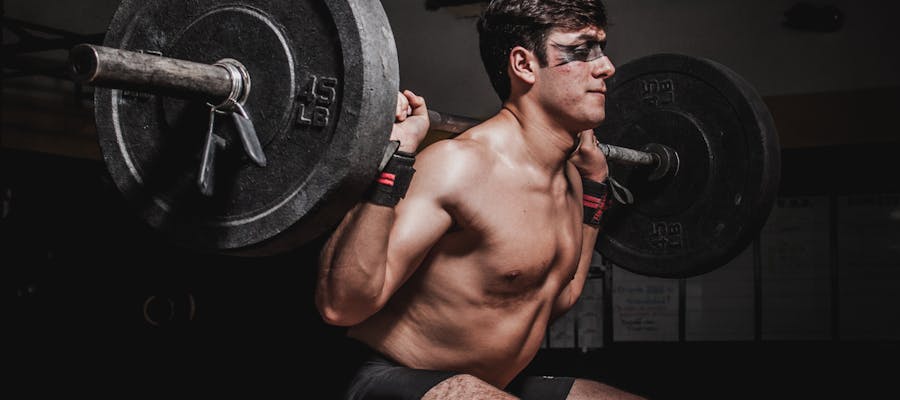
Quick answer: Caffeine has the most consistent evidence: trials used 3 to 6 mg per kg of body weight about 60 minutes before exercise (Guest et al., 2021), and the FDA says 400 mg a day is not usually linked to dangerous effects in healthy adults. Beetroot juice gives recreational athletes a small boost but showed no clear benefit in well-trained athletes, while beta-alanine and sodium bicarbonate help mostly in hard efforts lasting a few minutes, and their value in long races is unclear. Take iron only if a blood test shows you are low.
In This Article
What the Evidence Shows for Each Supplement
Below is what the trials found for the supplements most often sold to runners, cyclists, swimmers and triathletes, including the results that did not hold up.
Caffeine
The International Society of Sports Nutrition (ISSN) found that aerobic endurance is the type of exercise with the most consistent moderate to large benefit from caffeine, although the size of the effect differs between people. Doses of 3 to 6 mg per kg of body weight consistently improved performance, the lowest effective dose may be as low as 2 mg per kg, and very high doses (9 mg per kg) caused more side effects without being needed. Caffeine was most often taken 60 minutes before exercise, and it helped both trained and untrained people (Guest et al., 2021).
Get our free supplement cheat sheet.
One page: typical doses, timing and upper limits for ten well-studied supplements. No upsell.
🔒 No spam. Unsubscribe anytime. We send 1-2 emails/month max.
For a 70 kg (154 lb) athlete, 3 to 6 mg per kg is 210 to 420 mg. For healthy adults, the FDA says 400 mg a day is not usually linked to dangerous effects. Heavy use, 500 mg a day or more, might hurt performance rather than help it, and caffeine can disturb sleep and cause anxiety (NIH ODS).
Beetroot juice (dietary nitrate)
A meta-analysis of 80 studies found that nitrate improved exercise performance, but the effect was small (d = 0.174). It was clear in recreationally active young men, but there was no measurable effect in well-trained endurance athletes (VO2 max of 65 mL/kg/min or more, 26 studies) or in the 6 studies done only in women (Senefeld et al., 2020). An earlier analysis of 76 trials found a small to moderate gain in time to exhaustion, but a trivial and not statistically significant effect on time trials, which are closer to a real race (McMahon et al., 2017).
In a dose study in 10 healthy men, 140 mL of concentrated beetroot juice (8.4 mmol of nitrate, about 520 mg) taken 2.5 hours before cycling extended time to exhaustion by 14%. Doubling the dose added nothing, and the smallest dose (4.2 mmol) had no effect. Blood nitrite peaked about 2 to 3 hours after drinking (Wylie et al., 2013). Nitrate needs mouth bacteria to work: in 7 volunteers, an antibacterial mouthwash blocked the conversion of nitrate to nitrite in saliva and sharply reduced the rise in blood nitrite (Govoni et al., 2008), so skip mouthwash on days you use beetroot juice.
The amount of nitrate varies a lot between beetroot products. About 2 cups of juice a day for several weeks has not raised safety concerns, and pink or red urine afterward is harmless (NIH ODS).
Beta-alanine
The ISSN concluded that 4 to 6 g a day for at least 2 to 4 weeks improves exercise performance, with the clearest effect in all-out efforts of 1 to 4 minutes. It called for more research on endurance efforts longer than 25 minutes (Trexler et al., 2015), and the NIH Office of Dietary Supplements describes the evidence for endurance activities such as cycling as conflicting. The only side effect reported was tingling of the skin, which smaller doses of about 1.6 g or a sustained-release product can reduce (Trexler et al., 2015).
Sodium bicarbonate (baking soda)
According to the ISSN, 0.2 to 0.5 g per kg of body weight improves performance mostly in high-intensity efforts lasting 30 seconds to 12 minutes. The best single dose seems to be 0.3 g per kg, taken 60 to 180 minutes before exercise; higher doses add side effects without adding benefit. Bloating, nausea, vomiting and stomach pain are the common problems, and part of the effect seems to be placebo (Grgic et al., 2021).
A 0.3 g per kg dose for a 70 kg athlete is about 21 g of baking soda, which contains roughly 5,750 mg of sodium. Long-term safety has not been studied (NIH ODS). Ask your doctor first if you have been told to limit sodium.
Iron, only if a blood test shows you are low
Hard training raises iron losses through sweat, red blood cells broken by repeated foot strikes and small gut bleeds from pain relievers, and people who exercise intensely might need 30% to 70% more iron. Iron supplements help performance only when iron is depleted, and they can upset the stomach (NIH ODS). In 17 studies of endurance athletes who had low iron but no anemia, iron improved ferritin and raised VO2 max moderately (Burden et al., 2015). The ISSN position on female athletes names iron, caffeine and creatine as the supplements with the most evidence in women (Sims et al., 2023). See our iron supplement guide before you buy, and stay within 45 mg a day unless your doctor prescribes more (NIH ODS iron fact sheet).
Magnesium malate
Magnesium malate is often sold for muscle endurance, but our PubMed search in October 2026 found no trials of it for endurance performance. If you take magnesium for another reason, the upper limit from supplements is 350 mg a day for adults, and higher doses can cause diarrhea, nausea and cramping (NIH ODS).
Doses Used in the Studies
These are the doses that worked in research, not doses everyone should take. Try anything new in training, never for the first time on race day.
| Supplement | Dose in studies | When | Helped most in |
|---|---|---|---|
| Caffeine | 3 to 6 mg per kg (210 to 420 mg at 70 kg); FDA: 400 mg a day is not usually linked to dangerous effects in healthy adults | About 60 minutes before | Aerobic endurance |
| Beetroot juice | About 8.4 mmol (about 520 mg) of nitrate | 2 to 3 hours before | Time to exhaustion in recreational athletes |
| Beta-alanine | 4 to 6 g a day, in doses of about 1.6 g | Daily for at least 2 to 4 weeks | All-out efforts of 1 to 4 minutes |
| Sodium bicarbonate | 0.3 g per kg (about 21 g at 70 kg) | 60 to 180 minutes before | High-intensity efforts of 30 seconds to 12 minutes |
| Iron | Only the dose your doctor prescribes | When a blood test shows low iron | Athletes with low iron |
Sources: ISSN position stands on caffeine (Guest et al., 2021), beta-alanine (Trexler et al., 2015) and sodium bicarbonate (Grgic et al., 2021), the beetroot dose study (Wylie et al., 2013), the meta-analysis on iron (Burden et al., 2015) and the FDA.
Carbohydrate and Fluids During Long Sessions
For hard sessions of more than about 60 minutes, the ISSN advises about 30 to 60 g of carbohydrate per hour in a 6% to 8% carbohydrate and electrolyte drink, taken as 6 to 12 fluid ounces every 10 to 15 minutes, especially beyond 70 minutes. A high-carbohydrate diet (8 to 12 g per kg a day) fills glycogen stores, and when you have less than 4 hours to recover, about 1.2 g per kg per hour of carbohydrate refills them faster (Kerksick et al., 2017).
Women may be more prone to low blood sodium (hyponatremia) when progesterone is high and after menopause, and the ISSN puts enough total energy intake first for female athletes (Sims et al., 2023).
Combining supplements
Sodium bicarbonate combined with creatine or beta-alanine may add to the effect, but it is unclear whether combining it with caffeine or nitrate does (Grgic et al., 2021). Add one supplement at a time so you can tell how each one affects you. For a personal plan, the ACSM and dietitian groups advise seeing a registered dietitian (Thomas et al., 2016).
How to Pick a Product
- If you are drug-tested, use products certified by NSF Certified for Sport, Informed-Choice or the Banned Substances Control Group, which check the content and screen for many banned substances (NIH ODS). In a study of 634 supplements bought in 13 countries in 2000 and 2001, 94 (14.8%) contained anabolic steroids not listed on the label, and small amounts were enough to cause a positive doping test (Geyer et al., 2004). The study is more than 20 years old, but it shows why certification matters for tested athletes.
- Beetroot products: look for the amount of nitrate per serving, because it varies a lot between products (NIH ODS). Without that number, you cannot match the doses used in trials.
- Beta-alanine: check the grams per serving. Smaller doses of about 1.6 g or a sustained-release product cause less tingling (Trexler et al., 2015).
- Sodium bicarbonate: the doses in studies equal about 4 to 5 teaspoons of baking soda for most people, and typical supplement servings are much smaller than that (NIH ODS). Enteric-coated capsules are one way to reduce stomach upset (Grgic et al., 2021).
- High-dose antioxidant pills, such as large amounts of vitamins C and E: little research supports them, and they can hurt some measures of performance (NIH ODS). The ISSN says very high doses may blunt training adaptations and keeps supplements for real shortfalls or periods of heavy training stress (Gonzalez et al., 2026).
Safety: Side Effects and Who Should Be Careful
- Caffeine: insomnia, restlessness, nausea, vomiting and a fast or irregular heartbeat are possible. It peaks in the blood within about 45 minutes and has a half-life of about 4 to 5 hours, so late doses can cost you sleep (NIH ODS). For healthy adults, the FDA says 400 mg a day is not usually linked to dangerous effects.
- Beta-alanine: tingling skin is common. It appears safe at 1.6 to 6.4 g a day for up to 8 weeks, but safety over many months has not been settled (NIH ODS).
- Sodium bicarbonate: nausea, stomach pain, diarrhea and vomiting, plus a large sodium load; long-term safety has not been studied (NIH ODS).
- Beetroot juice: no safety concerns at about 2 cups a day for several weeks; red or pink urine is harmless (NIH ODS).
- Iron: take it only after a blood test, and stay within 45 mg a day from all sources unless your doctor prescribes more (NIH ODS iron fact sheet).
- Magnesium: the upper limit from supplements is 350 mg a day for adults (NIH ODS).
Talk to your doctor before using these supplements if you are pregnant, take prescription medicines, or have heart, kidney or blood pressure problems.
Common Questions About Endurance Supplements
Does beetroot juice work for trained athletes?
Probably not much. In a meta-analysis of 80 studies, nitrate had no measurable effect in well-trained endurance athletes, although it gave recreationally active young men a small benefit (Senefeld et al., 2020).
How much caffeine should I take before a race?
Studies used 3 to 6 mg per kg of body weight about 60 minutes before exercise, and 2 mg per kg may be enough (Guest et al., 2021). For healthy adults, the FDA says 400 mg a day is not usually linked to dangerous effects. Test your dose in training first.
Does beta-alanine help in a marathon?
The evidence is strongest for all-out efforts of 1 to 4 minutes, and the ISSN says efforts longer than 25 minutes need more research (Trexler et al., 2015).
Should endurance athletes take iron?
Only if a blood test shows low iron. In iron-deficient athletes without anemia, iron improved ferritin and VO2 max (Burden et al., 2015), but iron you do not need only adds side effects. See our iron supplement guide.
Can sodium bicarbonate upset my stomach?
Yes. Bloating, nausea, vomiting and stomach pain are common. A smaller dose (0.2 to 0.3 g per kg), taking it about 180 minutes before exercise with a high-carbohydrate meal, or enteric-coated capsules can reduce these problems (Grgic et al., 2021).
The Bottom Line for Endurance Athletes
The ACSM and dietitian groups say well-chosen nutrition strategies improve performance and recovery (Thomas et al., 2016). Among supplements, caffeine has the most consistent evidence for endurance (Guest et al., 2021). Beetroot juice helps recreational athletes a little but did not help well-trained athletes (Senefeld et al., 2020). Beta-alanine and sodium bicarbonate help mostly in hard efforts of a few minutes (Trexler et al., 2015; Grgic et al., 2021).
- Use caffeine at the low end of the study range first, and count every source.
- If you try beetroot, pick a product that states its nitrate content and drink it 2 to 3 hours before.
- Keep beta-alanine and bicarbonate for events with hard efforts of a few minutes.
- Take iron only after a blood test shows you need it.
- If you are drug-tested, use certified products only.
Scientific References
- Guest et al., 2021. International society of sports nutrition position stand: caffeine and exercise performance J Int Soc Sports Nutr.
- Senefeld et al., 2020. Ergogenic Effect of Nitrate Supplementation: A Systematic Review and Meta-analysis Med Sci Sports Exerc.
- McMahon et al., 2017. The Effect of Dietary Nitrate Supplementation on Endurance Exercise Performance in Healthy Adults: A Systematic Review and Meta-Analysis Sports Med.
- Wylie et al., 2013. Beetroot juice and exercise: pharmacodynamic and dose-response relationships J Appl Physiol (1985).
- Govoni et al., 2008. The increase in plasma nitrite after a dietary nitrate load is markedly attenuated by an antibacterial mouthwash Nitric Oxide.
- Trexler et al., 2015. International society of sports nutrition position stand: Beta-Alanine J Int Soc Sports Nutr.
- Grgic et al., 2021. International Society of Sports Nutrition position stand: sodium bicarbonate and exercise performance J Int Soc Sports Nutr.
- Burden et al., 2015. Is iron treatment beneficial in, iron-deficient but non-anaemic (IDNA) endurance athletes? A systematic review and meta-analysis Br J Sports Med.
- Kerksick et al., 2017. International society of sports nutrition position stand: nutrient timing J Int Soc Sports Nutr.
- Sims et al., 2023. International society of sports nutrition position stand: nutritional concerns of the female athlete J Int Soc Sports Nutr.
- Thomas et al., 2016. American College of Sports Medicine Joint Position Statement. Nutrition and Athletic Performance Med Sci Sports Exerc.
- Gonzalez et al., 2026. International Society of Sports Nutrition position stand: effects of dietary antioxidants on exercise and sports performance J Int Soc Sports Nutr.
- Geyer et al., 2004. Analysis of non-hormonal nutritional supplements for anabolic-androgenic steroids – results of an international study Int J Sports Med.
- NIH Office of Dietary Supplements. Dietary Supplements for Exercise and Athletic Performance: Fact Sheet for Health Professionals. Updated April 1, 2024.
- NIH Office of Dietary Supplements. Iron: Fact Sheet for Health Professionals. Updated September 4, 2025.
- NIH Office of Dietary Supplements. Magnesium: Fact Sheet for Health Professionals. Updated January 6, 2026.
- U.S. Food and Drug Administration. Spilling the Beans: How Much Caffeine Is Too Much?


Level up your recovery
Cold plunges, saunas and red light are popular recovery tools. Our buying guides compare the options: