
Advertising disclosure: This page contains affiliate links. As an Amazon Associate, and through other partner programs, we may earn a commission from qualifying purchases — at no extra cost to you. Learn more.
Updated 2026
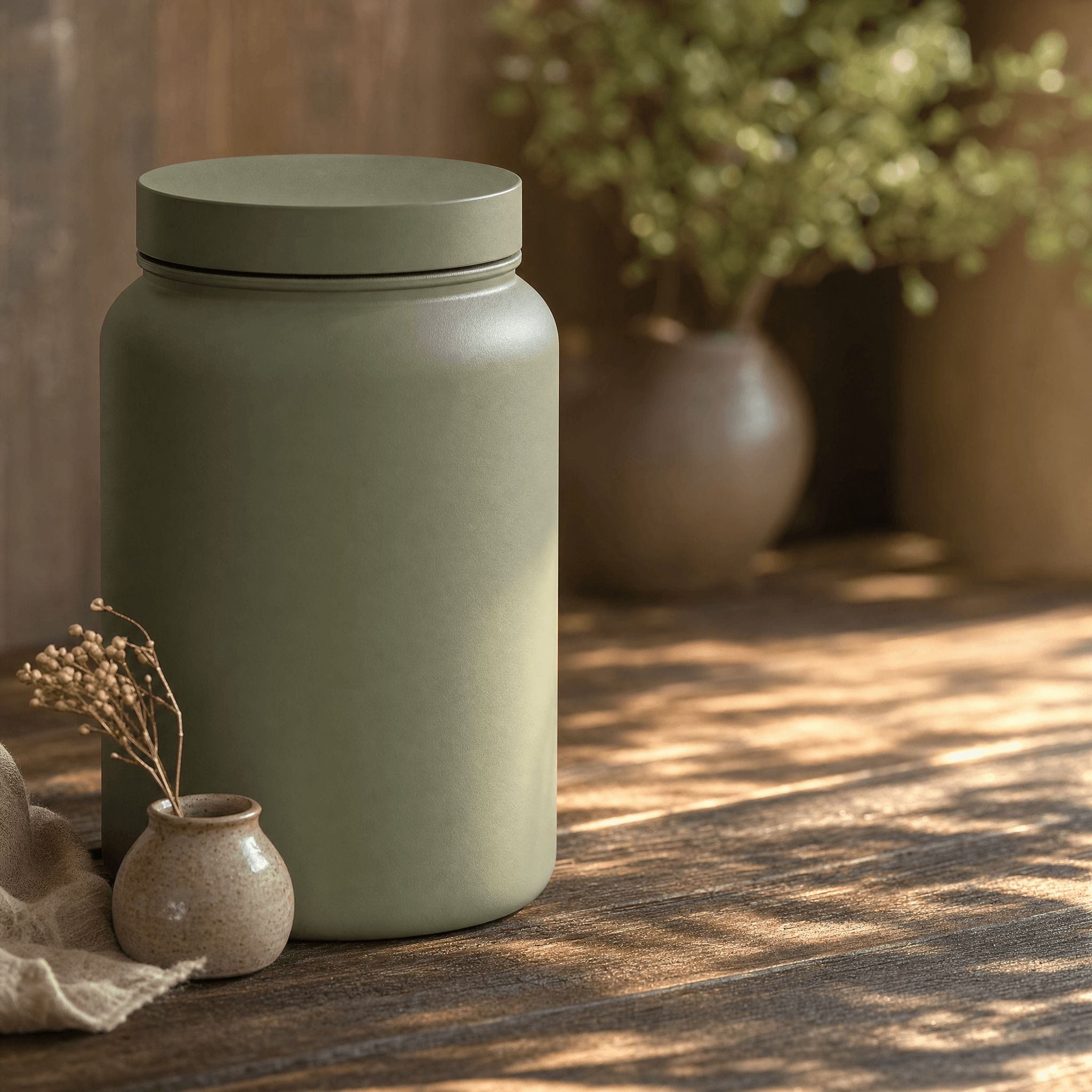



Best protein powder 2026: Optimum Nutrition Gold Standard 100% Whey Isolate for most people — 24g protein per scoop, low fat/carbs, 5.5g BCAAs, NSF certified. 1.6-2.2g protein per kg bodyweight daily is the evidence-based target for muscle building.
| Protocol | Dose | Timing | Notes | |
|---|---|---|---|---|
| Muscle building target | Protein 1.6-2.2g per kg bodyweight/day | Spread across 3-4 meals | Meta-analysis: 1.6g/kg is effective threshold; 2.2g/kg for maximalist approach | 🥇 |
| Per meal (leucine threshold) | Whey isolate 25-30g OR Plant blend 30-35g | Within 1-2hr post-workout | Leucine threshold ~3g per meal triggers maximum MPS | ⚡ |
| Pre-sleep protein | Casein 40g OR whey 25g | 30 min before bed | Overnight MPS — Res 2012 RCT: casein pre-sleep = +22% MPS vs placebo | 🌙 |
| Weight loss (preserve muscle) | Protein 2.2-2.6g/kg/day (higher end) | Prioritize protein at every meal | Higher intake during caloric deficit prevents muscle catabolism | 🛡️ |
💡 Prices are approximate and were last reviewed in August 2026. Retailer prices change often — tap a button for the current price on Amazon or iHerb.
Top 5 Protein Powders in 2026
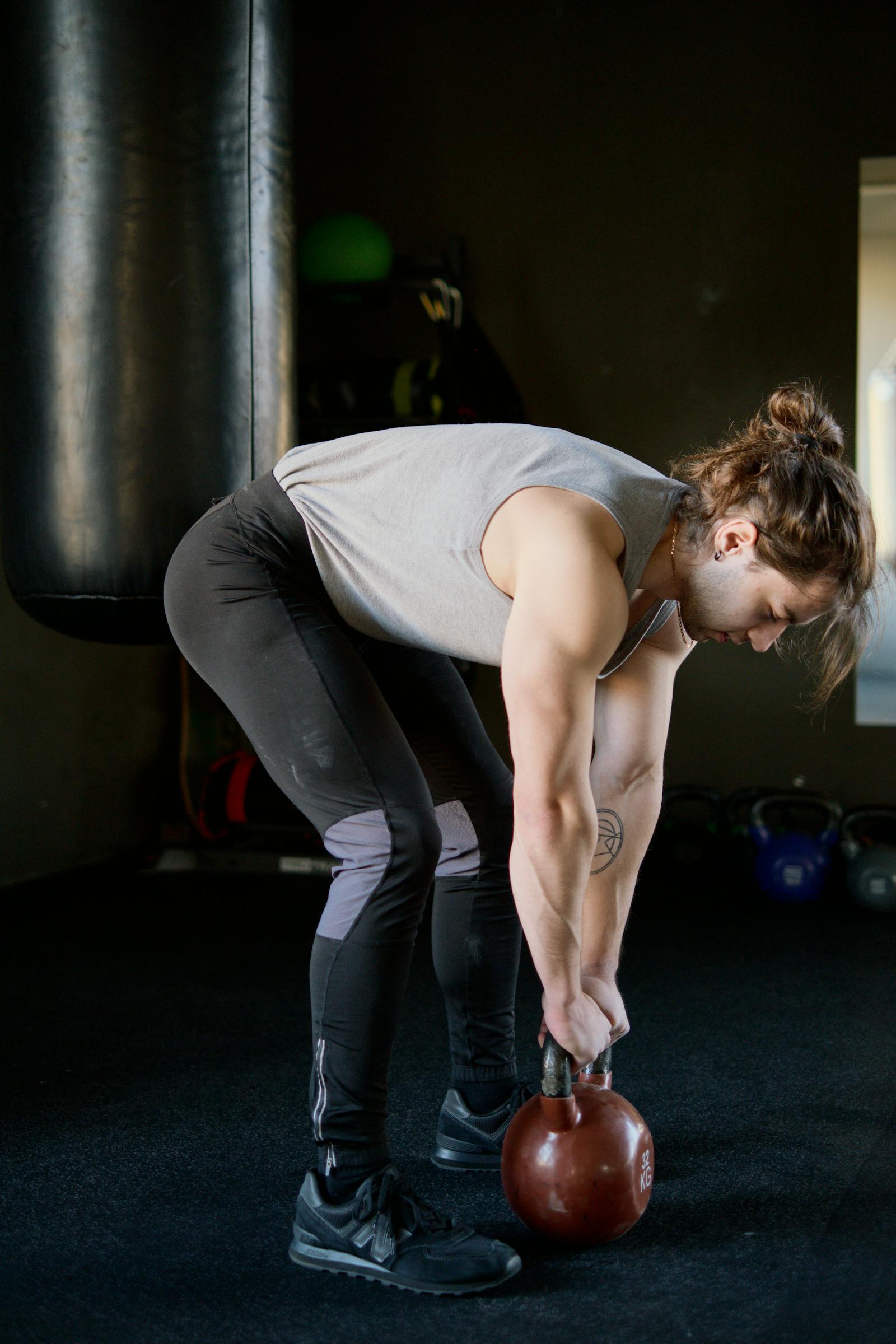 ON Gold Standard Whey Isolate
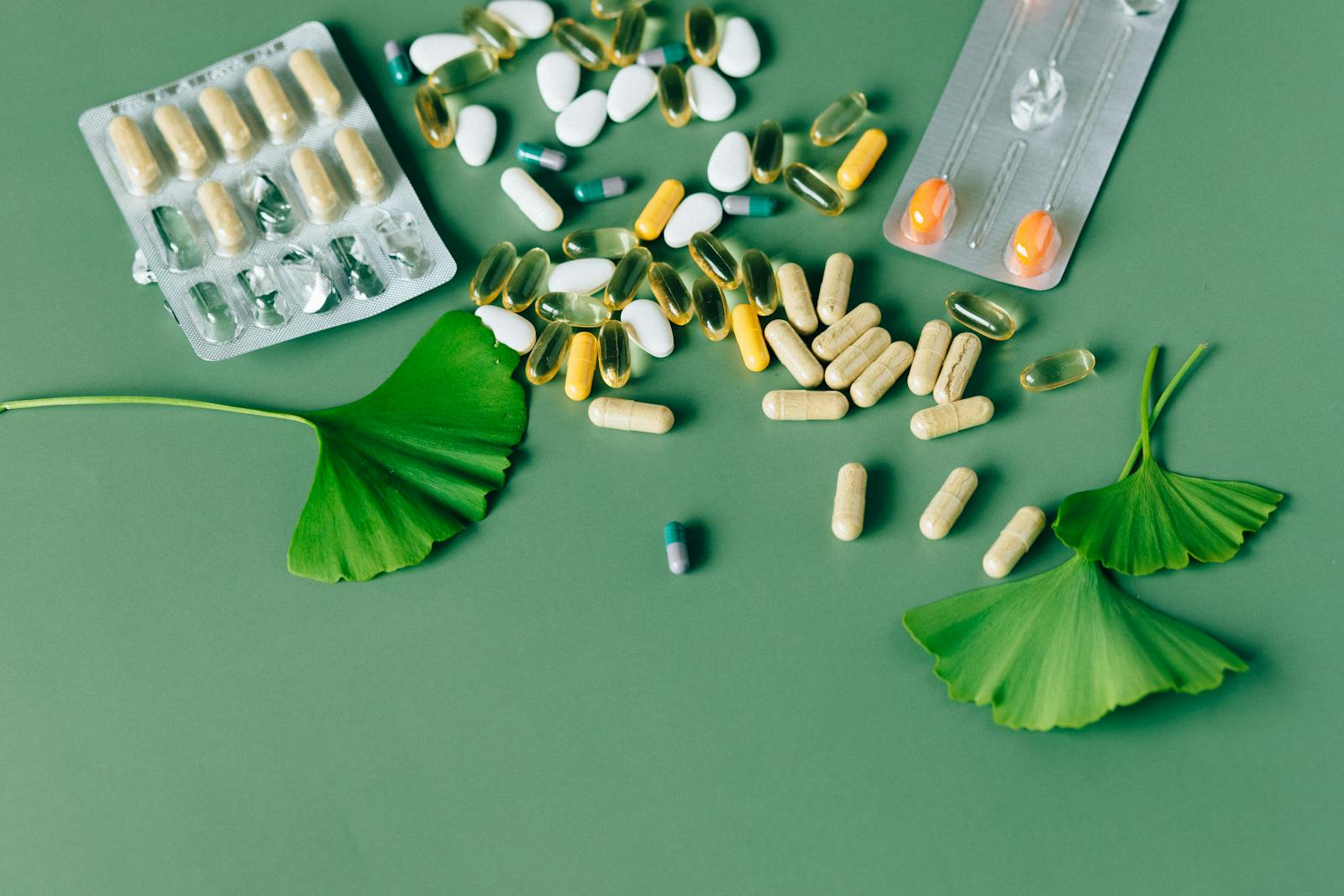 Vivo Life Perform Plant Protein
Affiliate disclosure: NordVital earns a commission at no extra cost to you.
Whey vs Casein vs Plant Protein
For post-workout and morning use: whey isolate (fast-absorbing, 1-2hr digestion). For before bed: casein (slow-release, 6-8hr, maintains positive nitrogen balance overnight). For vegans or dairy intolerance: pea + rice blend at 2:1 ratio matches whey’s amino acid profile and achieves similar muscle protein synthesis rates.
In This Article
Frequently Asked Questions
Editor’s Top Pick · Lab Tested · Free Shipping
Premium Whey Protein Isolate
✓ Prime eligible ✓ 30-day returns ✓ Verified reviews
How to Choose the Best Protein Powder in 2026
The protein powder market is enormous and confusing. Here’s what actually matters when comparing options:
Protein Quality Metrics
- DIAAS score (Digestible Indispensable Amino Acid Score) — the gold standard. Whey isolate: ~1.09. Casein: ~1.08. Soy: ~0.97. Pea: ~0.82.
- Leucine content — the amino acid that triggers muscle protein synthesis. Whey: ~10% leucine. Soy: ~7%. Pea: ~7%.
- Third-party testing — look for NSF Certified for Sport or Informed Sport certification, especially for athletes
Whey vs Casein vs Plant Protein: When to Choose Each
Whey protein isolate is the gold standard for post-workout muscle synthesis: fast-absorbing, highest DIAAS, highest leucine. Best for: post-workout, morning shake, anyone who can tolerate dairy.
Casein protein absorbs slowly (6–8 hours), making it ideal for overnight muscle preservation. Best timing: before bed.
Plant protein (pea + rice blend): complete amino acid profile, hypoallergenic, suitable for vegans. Emerging research shows comparable muscle gains to whey when matched for leucine content. Best for: vegans, dairy-intolerant individuals.
Dosage for Muscle Building
Research consistently supports 1.6–2.2g of protein per kg of body weight per day for muscle hypertrophy. Protein powders are a convenient way to reach this target — not a magic ingredient. For a 75kg person: 120–165g protein/day total from all sources.
What to Look for on the Label
- At least 20–25g protein per serving
- Less than 5g sugar per serving (for non-mass gainers)
- Minimal artificial sweeteners and fillers
- Third-party certified (NSF, Informed Sport, or similar)
- No proprietary blends hiding actual amounts
2026 Protein Powder Landscape: What’s Changed
The protein supplement industry has matured to the point where most mainstream products use similar raw materials. The differentiators in 2026 are: third-party testing (particularly for heavy metals), amino acid profile transparency, minimal artificial additives, and value per gram of protein — not marketing claims about “superior absorption” or “advanced formulas.”
Whey vs. Alternatives: Updated Evidence
- Whey concentrate (80%) — Best cost-per-gram, high in leucine, fast-digesting. Slightly higher in lactose and fat than isolate. Best for post-workout when leucine spike matters.
- Whey isolate (90%+) — Faster absorption, minimal lactose (suitable for mild lactose sensitivity), lower fat. Worth the premium for digestive issues; minimal performance advantage over concentrate otherwise.
- Casein — Slow-digesting (7+ hours). Best for pre-sleep use to prevent overnight muscle protein breakdown. Less useful immediately post-workout.
- Pea protein — Most evidence-backed plant option. Leucine content lower than whey but adequate for MPS stimulation at 25-30g dose. Best option for dairy-free.
- Rice + pea blend — Complementary amino acid profiles create a complete protein. Better leucine content than pea alone. Standard in most plant-based “complete” products.
What to Look for on the Label
Third-party testing (Informed Sport, NSF Certified for Sport, or Labdoor) verifies that the protein content matches the label claim and that the product is free from banned substances. Heavy metals testing is increasingly important — Consumer Reports found cadmium and lead in several major plant protein brands.
Ingredient lists should be short: protein source, emulsifier (lecithin), flavoring, sweetener. Products with 15+ ingredients including multiple “performance enhancers” are usually marketing formulas at a premium price.
Target at least 20-25g protein per serving with under 5g added sugar. Avoid products listing amino acids separately from protein (leucine powder, etc.) before the protein source — this practice inflates apparent protein content without providing the full amino acid profile of a complete protein.

Level up your recovery
Supplements work best alongside the right recovery tools. Explore our gear guides: