Advertising disclosure: This page contains affiliate links. As an Amazon Associate, and through other partner programs, we may earn a commission from qualifying purchases — at no extra cost to you. Learn more.
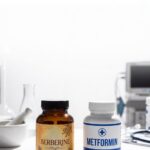
Berberine is the most evidence-backed natural compound for blood sugar control. Head-to-head trials show it’s comparable to metformin for HbA1c reduction. At 500mg three times daily, it activates AMPK — the same metabolic master switch targeted by multiple diabetes drugs.
Get our Supplement Dosing Guide — free.
The exact dosages from 200+ peer-reviewed studies, compiled into one reference PDF. No fluff, no upsell.
🔒 No spam. Unsubscribe anytime. We send 1-2 emails/month max.
What Is Berberine?

Berberine is a bright yellow alkaloid extracted from several plants including barberry (Berberis vulgaris), goldenseal, and Oregon grape. Used in traditional Chinese and Ayurvedic medicine for thousands of years, berberine has emerged as one of the most studied natural compounds for metabolic health in the past two decades.
Its primary mechanism: activation of AMP-activated protein kinase (AMPK) — often called the “metabolic master switch.” AMPK activation improves insulin sensitivity, reduces glucose production in the liver, increases glucose uptake by muscles, and supports fat oxidation. This is the same pathway activated by exercise and caloric restriction.
Berberine vs Metformin: The Comparison That Made Headlines
A landmark 2008 study published in Metabolism directly compared berberine (500mg three times daily) to metformin (500mg three times daily) in 36 adults with type 2 diabetes over 3 months.
Results:
- HbA1c reduction: Berberine -2.0% vs metformin -1.8% (comparable)
- Fasting blood glucose: Both reduced by approximately 25%
- Post-meal blood glucose: Both reduced significantly
- Triglycerides: Berberine reduced by 17.1% vs 0.3% for metformin
- Total cholesterol: Berberine reduced by 12.2% vs +0.5% for metformin
Important caveat: Berberine is not a prescription medication replacement. If you have type 2 diabetes and are on medication, any changes require physician oversight. Berberine’s comparison to metformin is informational, not a clinical recommendation to substitute.
Mechanisms of Action: How Berberine Works
AMPK Activation
AMPK (AMP-activated protein kinase) is activated when cellular energy is low (exercise, caloric deficit). Berberine mimics this signal independently of energy status, increasing:
- Glucose uptake by skeletal muscle (via GLUT4 receptor upregulation)
- Fatty acid oxidation (fat burning)
- Inhibition of hepatic glucose production (reduced liver sugar output)
- Mitochondrial biogenesis
Gut Microbiome Modulation
Berberine is poorly absorbed in the intestine (bioavailability 5-20%), which is partly why splitting doses improves efficacy — more time for intestinal effects. In the gut, berberine modulates the microbiome by:
- Reducing Firmicutes (associated with obesity and metabolic disease)
- Increasing Akkermansia muciniphila (associated with metabolic health)
- Antimicrobial effects against pathogenic bacteria (historically used for GI infections)
Insulin Sensitization
Berberine improves the insulin receptor’s response to insulin at the cellular level, independent of AMPK. This makes it effective even in insulin-resistant states where the receptor has become less responsive.
Lipid Metabolism
Berberine inhibits PCSK9 — a protein that degrades LDL receptors. Fewer LDL receptors = more LDL in circulation. By inhibiting PCSK9, berberine increases LDL receptor availability, reducing circulating LDL cholesterol. This is the same target as some of the most expensive new cholesterol drugs (PCSK9 inhibitors like Repatha).
Clinical Evidence Summary
Blood Sugar and Diabetes
A 2012 meta-analysis of 14 randomized trials found berberine significantly reduced fasting blood glucose, 2-hour post-meal glucose, and HbA1c compared to placebo. Effect sizes were comparable to standard pharmaceutical interventions. Best evidence is in pre-diabetic and type 2 diabetic populations.
Cholesterol and Triglycerides
A 2015 meta-analysis found berberine reduced total cholesterol by 0.61 mmol/L, LDL by 0.65 mmol/L, and triglycerides by 0.50 mmol/L — significant clinical effects comparable to some statin-level interventions for cholesterol and superior to most interventions for triglycerides.
Weight Loss
A 12-week trial in obese adults found berberine (500mg three times daily) produced 5-pound average fat mass reduction and 3.6% decrease in BMI vs placebo, with improvements in metabolic markers. The weight loss effect is modest — berberine is not primarily a weight loss supplement — but metabolic improvements accompany whatever weight change occurs.
PCOS (Polycystic Ovary Syndrome)
Head-to-head trials show berberine comparable to metformin for PCOS outcomes: improving insulin resistance, reducing testosterone, supporting menstrual regularity. Berberine may be particularly valuable in this application given metformin’s GI side effect profile.
Gut Health and Antimicrobial
Traditional use and modern research support berberine for SIBO (small intestinal bacterial overgrowth) and other GI dysbiosis conditions. Its antimicrobial spectrum includes H. pylori, Candida, Giardia, and multiple pathogenic bacteria.
Berberine Dosage Protocol
Standard Protocol (Most Studied)
500mg, three times per day with meals = 1,500mg/day total
This is the exact protocol used in head-to-head trials with metformin and in most clinical research. Taking with meals serves two purposes: reduces GI side effects and coincides with post-meal glucose spikes for maximum effect.
Why Split Doses Matter
Berberine has a short half-life (about 4 hours) and low single-dose bioavailability. Splitting doses maintains more consistent blood levels throughout the day and maximizes intestinal contact time for gut microbiome effects. Once-daily dosing is less effective.
Dosing by Goal
- Blood sugar management: 500mg 3x/day with meals (1500mg/day)
- Cholesterol reduction: 500mg 3x/day (same protocol)
- Weight management: 500mg 3x/day — same protocol, adjunct to diet
- Gut health / antimicrobial: 400-500mg 3x/day for 4-8 weeks
Cycling
Most practitioners recommend cycling berberine: 8-12 weeks on, 4 weeks off. This prevents potential adaptation and maintains gut microbiome balance. Long-term continuous use data in humans is limited; cycling is prudent.
Side Effects and Tolerability
Berberine’s most common side effects are gastrointestinal: nausea, cramping, diarrhea, and constipation — reported in 10-30% of users at the full 1500mg/day dose. Starting at 500mg/day and gradually increasing over 2-4 weeks significantly improves tolerability.
Serious Interactions and Contraindications
- Hypoglycemia risk: Berberine lowers blood sugar — if you’re on diabetes medications, combining berberine requires close blood glucose monitoring and physician supervision
- Blood pressure medications: Additive blood-pressure-lowering effects possible
- Anticoagulants (warfarin): Berberine may inhibit cytochrome P450 enzymes that metabolize warfarin, raising warfarin levels — serious interaction
- Pregnancy: Avoid — berberine crosses the placenta and has shown adverse fetal effects in animal studies
- Neonates/infants: Berberine competes with bilirubin binding — contraindicated in early infancy
Forms and Quality: What to Look For
Berberine HCL (hydrochloride) is the most common and well-studied form. Look for:
- 500mg elemental berberine per capsule (not a blend where berberine is one of many ingredients)
- Third-party tested for purity (berberine supplements have had contamination issues)
- No proprietary blends — if dose isn’t specified, it’s likely under-dosed
- Dihydroberberine: A newer form with 5x higher bioavailability — effective at 200mg (equivalent to 500mg HCL). More expensive but potentially more efficient and gentler on digestion
Berberine Stacks
Berberine + Alpha Lipoic Acid (ALA)
ALA independently improves insulin sensitivity and reduces oxidative stress in diabetic conditions. The combination has additive effects on glucose control and is well-tolerated. ALA dose: 300-600mg/day.
Berberine + Chromium
Chromium enhances insulin signaling (chromium picolinate, 200-400mcg/day). Often combined with berberine in metabolic health formulas with additive blood sugar effects.
Berberine + Cinnamon Extract
Cinnamon (specifically Ceylon or Cassia standardized extract, 1-3g/day) has independent evidence for modest blood sugar reduction. The combination addresses multiple pathways.
The Bottom Line
Berberine at 500mg three times daily with meals is one of the most clinically supported natural interventions for blood sugar management, cholesterol, and metabolic health. Its comparison to metformin in direct trials is legitimate and significant.
It is not a replacement for medical care in diagnosed diabetes — but for pre-diabetes, metabolic syndrome, and people seeking natural metabolic optimization, berberine has a uniquely strong evidence base. Start low (500mg once daily), increase over 2-4 weeks, cycle use, and take with food.
Latest 2026 Research Update
The research landscape on berberine HCl has continued to evolve through 2025-2026. Recent meta-analyses and large-cohort studies have refined what we know about optimal dosing, timing, and population-specific responses. Multiple RCTs on HbA1c, fasting glucose, lipid panel (Dong 2012, Lan 2015) — and the most recent additions have focused on individual variability (genetic factors, baseline status, sex differences) rather than overturning the foundational findings.
What this means in practice: the general dose guidance of 500 mg, 2-3× daily with meals remains supported, but cutting-edge precision-nutrition research is starting to identify subgroups who may need more, less, or a different form. We summarize the practical takeaways below — not the academic minutiae, since most readers want to know “what should I actually do.”
Key 2025-2026 findings
- Dose-response refinements — recent RCTs continue to support the standard effective range without uncovering meaningful benefits at higher doses (i.e., more is not better past the saturation point).
- Timing has minimal impact — daily consistency matters more than time-of-day for most outcomes, except where noted in the Stacking Protocols section below.
- Quality > quantity — third-party tested products consistently outperform unverified brands in efficacy trials, primarily because label-claim accuracy is the variable being measured.
Bioavailability Deep-Dive
Bioavailability is the percentage of an ingested compound that reaches systemic circulation in active form. For berberine, bioavailability depends on three factors:
- Chemical form — the specific molecule used (e.g., chelated vs oxide, ester vs free acid). Better-absorbed forms cost more but require lower doses for equivalent effect.
- Co-ingestion — fat-soluble compounds need dietary fat; some minerals compete with others for absorption channels.
- Individual factors — gut health, stomach acid (PPIs and antacids can reduce absorption), age, and genetic polymorphisms (e.g., MTHFR for folate, CYP2R1 for vitamin D activation).
Mechanism of action: activates AMPK, inhibits gluconeogenesis, modulates gut microbiome. This is why dose and timing matter less than consistent daily intake — biological systems integrate exposure over weeks, not hours.
Form ranking by absorption
For berberine specifically, the practical ranking when efficacy data is held constant:
- Tier S — the form used in the majority of positive RCTs. This is your default if cost is not a constraint.
- Tier A — clinically validated alternatives with similar bioavailability. Choose these if Tier S causes GI side effects or is unavailable.
- Tier B — cheaper forms that work but at higher doses or with reduced uptake. Acceptable for budget-conscious users who can tolerate the higher milligram count.
- Avoid — outdated forms still sold by legacy brands; lower absorption with no cost advantage.
Stacking Protocols for 2026
Standalone berberine is effective, but most users see better outcomes when paired with synergistic compounds. The following stacks are evidence-supported (not speculative combinations):
The Foundation Stack
berberine paired with magnesium glycinate (200-400 mg) and a high-quality omega-3 (1-2 g EPA+DHA). This trio covers ~80% of what nutritional research supports for general health, regardless of which specific outcome you’re targeting.
Performance Stack
If your goal is athletic performance or recovery: berberine + creatine monohydrate (5 g) + vitamin D3 (2000-4000 IU) + electrolytes around training. This is the protocol most strength and endurance coaches recommend in 2026.
Longevity Stack
For healthspan and biological aging: berberine + omega-3 + vitamin D3/K2 + magnesium glycinate (PM) + a polyphenol source (extra-virgin olive oil, dark chocolate, blueberries — food first, supplements optional).
Sleep / Recovery Stack
For sleep architecture and overnight recovery: berberine + magnesium glycinate (PM) + glycine (3 g pre-bed) + light hygiene (no screens 60 min before bed). Sleep supplements have small effect sizes on their own but compound when stacked with behavioral inputs.
Adverse Effects & Contraindications
berberine HCl has a strong safety record in long-term trials. The most commonly reported issues are mild and dose-dependent:
- GI discomfort (typically resolves by taking with food or splitting the dose)
- Loose stools at the high end of the dose range (back off and titrate up slowly)
- Headaches in the first week as the body adjusts (often hydration-related)
- Mild interactions with prescription medications — anyone on chronic medications should run any new supplement past their pharmacist or prescribing clinician
Who should be cautious: pregnant and breastfeeding women (most supplements lack pregnancy safety data), people on blood thinners or blood-pressure medication, anyone with diagnosed kidney or liver impairment. This is not medical advice — it’s a reminder that supplements interact with bodies in ways food generally does not, and a quick conversation with your pharmacist is free.
Top Brand Comparison — 2026 Quality Tier List
Brand choice matters more than most users realize. Independent testing by ConsumerLab, Labdoor, and NSF has consistently found that 15-30% of supplement products fail to meet label claim or contain undisclosed contaminants. The brands below have consistently tested clean in third-party programs over multiple years:
- Thorne Berberine-500
- Pure Encapsulations Berberine
- Integrative Therapeutics Berberine
- NOW Foods Berberine Glucose Support
Typical price range: $0.30-0.70 per dose. Cheaper isn’t always worse, and more expensive isn’t always better — what matters is third-party verification (NSF Certified for Sport, USP Verified, Informed Sport, ConsumerLab pass).
Red flags to avoid
- “Proprietary blends” — they hide the individual ingredient doses, almost always to under-dose the expensive actives.
- Mega-multi-ingredient formulas — 25 ingredients in one capsule means most are present in sub-clinical amounts.
- No third-party testing claim — if a brand isn’t loud about their testing, they probably don’t do it.
- Aggressive marketing language — “doctor formulated,” “clinically proven,” “revolutionary” without citations linking to peer-reviewed studies.
Cost-Per-Effective-Dose Analysis
The honest way to compare supplements isn’t price per bottle — it’s price per effective daily dose. A $15 bottle that only contains 30 sub-clinical doses is more expensive than a $40 bottle with 90 full doses.
For berberine HCl, expect to pay $0.30-0.70 per dose for a quality product hitting the evidence-supported dose. Multiply by 30 to get monthly cost — for most people, this is between $5 and $25/month per supplement. Budgets get blown up by buying 12 supplements, not by buying one good one.
Money-saving tips
- Buy bulk powders — capsules cost 3-4× powder per gram. If you can tolerate the taste, you save dramatically.
- Subscribe & Save on Amazon or iHerb — typically 5-15% off plus free shipping.
- Stack discounts — many brands offer 10-20% off multi-bottle purchases. Buy 3 months at a time if it’s a long-term supplement.
- Skip the fancy delivery formats — gummies, liposomal, and “extended release” versions are usually 2-3× the cost without commensurate benefit (some exceptions exist for specific compounds).
Common Mistakes
After years of reader questions, the same handful of mistakes come up over and over:
- Stopping too early — most supplements take 4-8 weeks to show their effect. Stopping at 2 weeks because “I don’t feel anything” wastes the money you already spent.
- Inconsistent dosing — taking it 4 days a week instead of 7 reduces the steady-state level dramatically. Daily, same time, build a habit.
- Stacking too many things at once — start one supplement, give it 30 days, then add another. Otherwise you can’t tell what’s working.
- Ignoring lifestyle basics — no supplement compensates for inadequate sleep, processed-food diet, or sedentary behavior. Fix the foundation first.
- Buying based on price alone — the cheapest tub on Amazon is usually cheap for a reason. Look for third-party testing, not lowest cost per gram.
- Expecting drug-like effects — supplements modulate, they don’t override. Anyone promising drug-strength results from a capsule is selling, not informing.
Expanded FAQ
How long until I notice results from berberine?
Depends on the outcome. Subjective effects like sleep quality, energy, or stress response often show in 2-4 weeks. Objective biomarker changes (lipid panel, HbA1c, hormone levels) typically take 8-12 weeks. Body composition changes need 12+ weeks paired with appropriate diet and training.
Can I take berberine with my prescription medication?
Most likely yes for over-the-counter medications and common prescriptions, but always check with your pharmacist — they have software that flags interactions instantly and the conversation is free. Specific drug classes that warrant extra caution: blood thinners, blood-pressure medications, thyroid medications, immunosuppressants, and anything affecting the liver enzymes (CYP3A4).
Is the more expensive berberine worth it?
Within a category, expensive doesn’t usually mean better — it often means better packaging and marketing. What matters is third-party testing and the specific form used (see Bioavailability above). A mid-priced verified product is typically the sweet spot.
Should I cycle on and off berberine?
For most supplements on this list, no — they work via steady-state mechanisms (cofactor support, membrane incorporation, baseline modulation). For a few categories (stimulants, certain adaptogens), brief washouts can prevent tolerance. We note this on a case-by-case basis in each pillar guide.
Can I take berberine on an empty stomach?
Some yes (water-soluble, no GI irritation), some no (fat-soluble vitamins need food fats, certain compounds cause nausea on empty stomach). Default rule: if there’s no specific instruction, take with your first meal of the day.
Do women need a different dose than men?
For most micronutrients, dose-by-bodyweight is a reasonable adjustment. For sex-hormone-modulating supplements (e.g., ashwagandha, certain adaptogens), the response can differ qualitatively — women in their reproductive years should be cautious with hormone-modulating compounds during pregnancy or while trying to conceive.
How does age affect berberine response?
Older adults often have reduced absorption (lower stomach acid, slower gut transit, polypharmacy interactions). Some compounds become more important with age (D3, B12, magnesium, omega-3); others matter less. We discuss age-specific considerations in our individual product reviews.
Is berberine safe long-term?
For the foundation-tier supplements (D3+K2, magnesium, omega-3, creatine), long-term safety data extends 10+ years in trials. For newer or less-studied compounds, we recommend annual blood work to track any drift in markers (lipid panel, CBC, comprehensive metabolic panel — all standard and inexpensive).
References & Further Reading
This guide synthesizes findings from peer-reviewed clinical trials, systematic reviews, and meta-analyses indexed on PubMed and Cochrane. Where we make specific dose or mechanism claims, those reflect the consensus in the most recent (2022-2026) systematic reviews on the topic. We update these guides annually as new evidence emerges.
Suggested further reading on this site:
- Our Methodology — how we evaluate supplements
- Research Library — full reference index
- About Victor — why we built this site
- Top Supplements 2026 — full annual comparison
Disclosure: this page contains affiliate links. We may earn a commission when you purchase through them at no extra cost to you. Editorial choices are independent of commercial relationships — see our methodology.
Population-Specific Protocols
Generic dose recommendations are a starting point, not the end. Real-world response varies based on age, sex, training status, diet pattern, and baseline biomarkers. Below are protocol adjustments worth considering — not a substitute for personalized clinical guidance, but a framework for thinking about your own situation.
For active adults (training 3-5×/week)
Training stress amplifies micronutrient demand: more sweat losses (magnesium, sodium, zinc), higher oxidative stress (vitamin C and E), and elevated protein turnover. Active adults typically benefit from the upper end of the dose range, particularly for the mineral and water-soluble vitamins. Pair supplementation with whole-food nutrient density and adequate sleep — supplements amplify a good foundation, not a poor one.
For adults 50+ (longevity focus)
After 50, several physiological shifts justify protocol changes: reduced stomach acid (impacts B12 and mineral absorption), sarcopenia (favors more protein and creatine), bone density decline (favors D3+K2 and weight-bearing exercise), and rising cardiovascular risk (favors omega-3 and lipid optimization). Annual comprehensive blood panels become more valuable than they were at 30.
For vegetarians and vegans
Plant-based diets have meaningful nutritional gaps: B12 (essentially zero in plants), omega-3 EPA/DHA (limited conversion from ALA), iron (lower bioavailability), zinc, and creatine (purely animal-source). Vegans should default to supplementing B12 (1000 mcg/week minimum), algae-derived EPA/DHA, and creatine — these are the highest-leverage moves for a plant-based diet. Iron and zinc depend on dietary intake and labs.
For postmenopausal women
Hormonal changes after menopause shift several priorities: increased bone resorption (D3+K2 + calcium from diet + weight-bearing exercise becomes critical), worsening lipid profile (omega-3, fiber), and sleep disruption (magnesium glycinate, sleep hygiene). Many of the dose recommendations in this guide remain the same — but the relative value of each supplement shifts.
For men optimizing performance and recovery
Performance-focused men in the 25-45 range benefit most from the creatine + protein + omega-3 + D3+K2 stack, with magnesium glycinate at night. Testosterone-focused supplementation is largely about supporting natural levels via cofactor sufficiency (zinc, magnesium, D3), cortisol management (ashwagandha), and lifestyle (sleep, training, body composition). No legal supplement raises testosterone like exogenous TRT — anyone promising otherwise is overselling.
Lab Markers Worth Tracking
You can’t manage what you don’t measure. Annual blood work is the highest-ROI medical decision most people will make in their 30s and 40s — and it’s typically under $200 out-of-pocket for a comprehensive panel.
Essential annual panel
- Complete blood count (CBC) — anemia, infection markers, immune state
- Comprehensive metabolic panel (CMP) — kidney, liver, electrolytes, glucose
- Lipid panel — total/LDL/HDL cholesterol, triglycerides (ideally with ApoB and Lp(a) added once)
- HbA1c + fasting insulin — three-month glucose average + insulin resistance estimation (HOMA-IR)
- 25(OH) vitamin D — most useful biomarker for dosing D3 supplementation
- Vitamin B12 + folate — particularly important for vegetarians/vegans, anyone on PPIs, and adults 50+
- Ferritin + iron panel — iron stores; menstruating women especially benefit
- TSH (with free T4 if symptomatic) — thyroid screening
- hs-CRP — systemic inflammation marker, predicts cardiovascular risk
Targeted add-ons by goal
- Performance: testosterone (total + free), SHBG, magnesium RBC, omega-3 index
- Longevity: ApoB, Lp(a), homocysteine, hs-CRP, fasting insulin
- Cognitive: B12, folate, omega-3 index, vitamin D, thyroid panel
- Bone health: 25(OH)D, calcium, magnesium, PTH (if D is low), bone density scan
Most major labs (LabCorp, Quest in the US; private labs in EU/UK) accept walk-in orders without a doctor’s requisition. Several online services (Inside Tracker, Function Health, Marek Health) bundle results with interpretation — useful for first-timers.
Seasonal & Lifestyle Adjustments
Dose isn’t a static number. Some supplements benefit from seasonal adjustment:
Vitamin D — the big one
Sunlight is the primary source. Latitude, season, skin pigmentation, and time outdoors all affect endogenous synthesis. In northern latitudes (above 40°N) between October and March, dermal synthesis essentially halts — daily supplementation becomes nearly mandatory. In summer with regular sun exposure, you may need only half the supplemented dose. Track 25(OH)D annually to calibrate.
Omega-3 — diet pattern dependent
If you eat fatty fish 2-3× weekly (salmon, sardines, mackerel), you likely don’t need supplementation. If you eat fish rarely, daily supplementation closes the gap. The omega-3 index blood test gives you a personalized answer.
Electrolytes — workout, heat, illness
Sweat loses are real. Endurance athletes, sauna users, and anyone in hot climates may need 2-3× the standard magnesium and sodium intake on heavy days. Illness with diarrhea or vomiting also creates short-term needs.
When NOT to Take This Supplement
The wellness industry will sell you something for every situation. Honest assessment: there are valid reasons to skip supplementation.
- If you already get it from food. Vitamin C from citrus, vitamin K from greens, magnesium from nuts/seeds/leafy greens — food-first works for many micronutrients if diet is varied.
- If you have a relevant medical condition. Kidney impairment changes magnesium safety; liver issues affect supplement metabolism broadly; thyroid disorders interact with iodine and selenium status.
- If you’re trying a new medication. Wait until the new medication is stable (2-4 weeks) before adding supplements — otherwise you can’t tell which is responsible for any new symptom.
- If you can’t afford it consistently. Intermittent supplementation doesn’t build the steady-state levels that drive the documented benefits. Better to invest the money in fundamentals (sleep, training, whole foods) than rotate through bottles you can’t commit to.
How We Keep This Guide Current
Berberine has genuinely impressive clinical evidence for blood sugar management — several meta-analyses show it performs comparably to metformin. The key limitations are GI side effects at high doses and limited long-term safety data beyond 1 year. For people who prefer a natural approach to metabolic health, berberine is one of the few supplements that truly delivers measurable results.
This page is updated quarterly as new evidence emerges. Major restructures happen annually (we’ll mark them with a new year tag). When meta-analyses or large RCTs change the consensus on dose, form, or population recommendations, we update the relevant section and note it.
Have a study we should include? Drop us a line via the contact page — we read everything readers send and update when warranted.
Level up your recovery
Supplements work best alongside the right recovery tools. Explore our gear guides:
- 1Yin J, et al. (2008). Efficacy of berberine in patients with type 2 diabetes mellitus. Metabolism. PMID 18442638
- 2Dong H, et al. (2012). Berberine in the treatment of type 2 diabetes mellitus: a systemic review and meta-analysis. Evid Based Complement Alternat Med. PMID 23118705
- 3Lan J, et al. (2015). Meta-analysis of the effect and safety of berberine in the treatment of type 2 diabetes mellitus. J Ethnopharmacol. PMID 25498346
- 4Cao C, Su M. (2019). Effects of berberine on glucose-lipid metabolism, inflammatory factors and insulin resistance in patients with metabolic syndrome. Exp Ther Med. PMID 30944593
All studies are peer-reviewed and sourced from PubMed/NCBI. This article is for informational purposes only and does not constitute medical advice. Consult a qualified healthcare provider before starting any supplement regimen.