
Advertising disclosure: This page contains affiliate links. As an Amazon Associate, and through other partner programs, we may earn a commission from qualifying purchases — at no extra cost to you. Learn more.


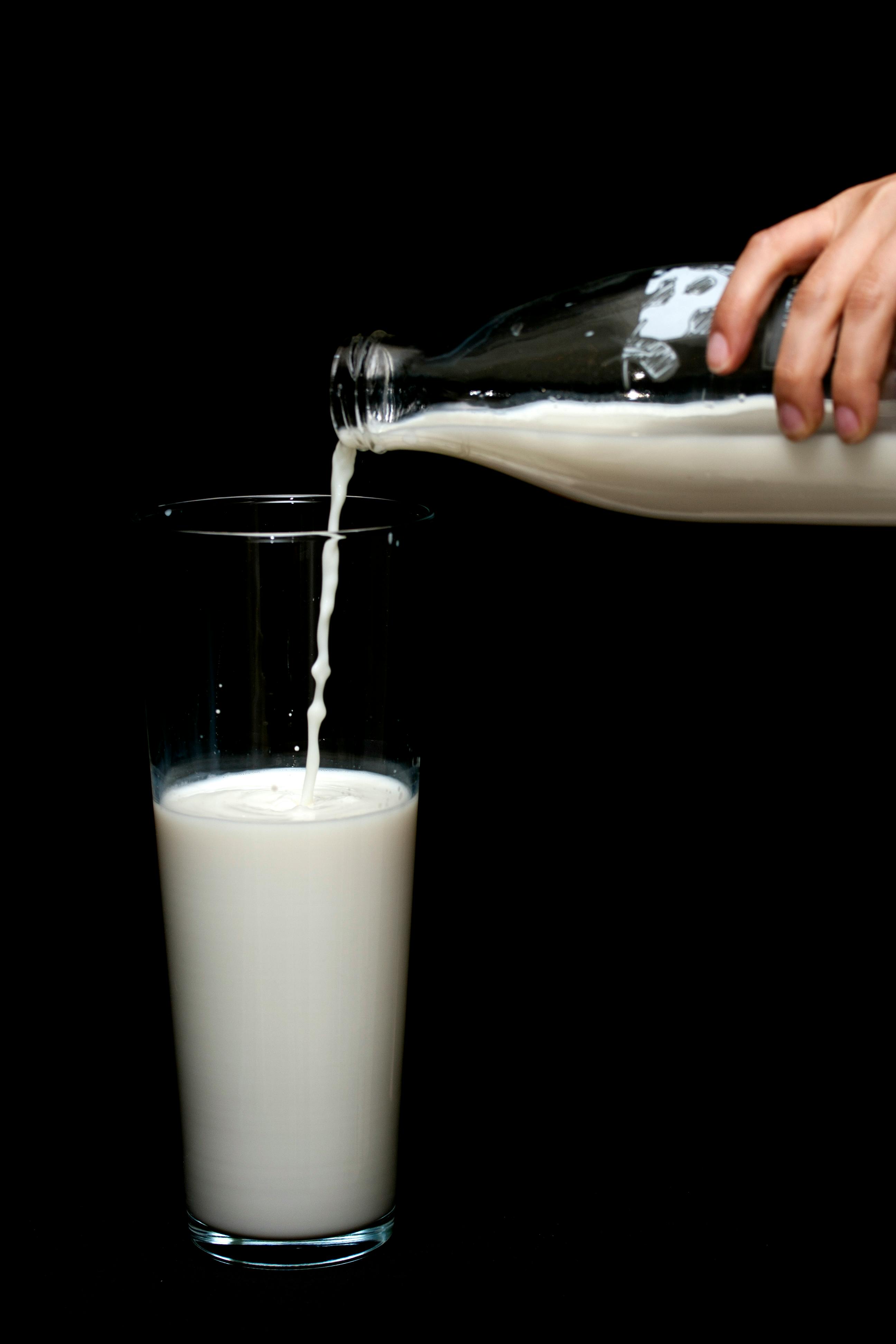
Whey builds muscle slightly faster due to superior leucine content and DIAAS score. But plant protein (especially pea+rice blend) produces near-identical results when matched for leucine content. If you’re vegan, a good blend at 25-30g per serving is just as effective as whey.
The Key Difference: Leucine
📊 Whey vs Plant Protein Dosage Guide
| Purpose | Daily Dose | Timing | Notes |
|---|---|---|---|
| Whey protein (muscle building) | 25-40 g/serving | Post-workout | Complete amino acid profile; highest leucine (~2.5 g per 25g); fastest absorption |
| Plant protein (pea + rice blend) | 30-40 g/serving | Post-workout or between meals | Pea + rice blend = complete amino acids; 0.85 bioavailability vs 1.0 for whey |
| Leucine comparison | Whey: ~2.5 g leucine per 25g | Plant: ~1.8-2 g | – | Higher plant dose needed to meet leucine threshold; hence 30-40g recommendation |
| Daily protein target | 1.6-2.2 g/kg body weight | Spread across 3-5 meals | Source doesn’t matter long-term if leucine threshold is met per meal |
Always consult a healthcare provider before starting supplements.
Muscle protein synthesis (MPS) is triggered by leucine, not total protein. Whey has ~11% leucine — higher than most plant proteins. This means at equal gram-for-gram doses, whey triggers MPS more effectively. However, leucine threshold (~3g per meal) can be achieved with slightly higher plant protein doses.
In This Article
- The Key Difference: Leucine
- Complete Comparison
- The 2023 Meta-Analysis Verdict
- Recommended Products
- Whey vs Plant Protein: The Definitive Evidence-Based Comparison
- Head-to-Head: Key Metrics
- Muscle Building: Does the Difference Matter?
- When to Choose Whey
- When to Choose Plant Protein
- The Bottom Line
- The Evidence in 2026: Whey vs. Plant Protein
- When to Choose Each
Complete Comparison
| Factor | Whey Isolate | Pea+Rice Blend | Winner |
|---|---|---|---|
| Leucine per 25g protein | ~2.7g | ~2.0g | 🥇 Whey |
| DIAAS score | 1.09 (complete) | 0.82–0.90 | 🥇 Whey |
| Muscle gain (12 weeks, matched leucine) | +2.1 kg LBM | +1.9 kg LBM | 🤝 Near equal |
| GI tolerance | Moderate (lactose) | Better | 🥇 Plant |
| Heavy metals risk | Low | Higher (check brand) | 🥇 Whey |
| Environmental impact | Higher | Lower | 🥇 Plant |
The 2023 Meta-Analysis Verdict
A 2023 meta-analysis (26 RCTs, 1,091 participants) found that when plant protein is matched for leucine content, the difference in muscle protein synthesis vs whey becomes statistically insignificant. The key is dose — 30-35g of pea+rice blend achieves the same leucine threshold as 25g whey isolate.
Recommended Products
FAQ: Whey vs Plant Protein
Does plant protein build as much muscle as whey?
Yes, when matched for leucine. Take 30-35g of a pea+rice blend (not just pea alone) to match the leucine content of 25g whey. Multiple RCTs now confirm equivalent muscle gain over 12-week periods.
What is the best plant-based protein combination?
Pea + brown rice (70/30 ratio) is the gold standard — complementary amino acid profiles create a complete protein. Pea alone is low in methionine; rice alone is low in lysine. Together they match whey’s profile.
Is whey protein bad for lactose intolerant people?
Whey isolate (90%+ protein) has most lactose removed and is tolerated by most lactose-intolerant people. Whey concentrate (70-80%) still contains meaningful lactose. If sensitive, choose isolate or plant protein.
Should I worry about heavy metals in plant protein?
Yes. The Clean Label Project found higher heavy metals in many plant proteins due to soil absorption. Choose brands that publish third-party Certificates of Analysis — Naked Nutrition and Garden of Life routinely test for this.
Whey vs Plant Protein: The Definitive Evidence-Based Comparison
The whey vs plant protein debate has matured significantly. Early research strongly favored whey due to its superior amino acid profile and leucine content. More recent research shows the gap is much smaller than originally thought — with the right plant protein blend, muscle gains are comparable.
Head-to-Head: Key Metrics
| Metric | Whey Isolate | Pea+Rice Blend | Soy Protein |
|---|---|---|---|
| DIAAS Score | ~1.09 | ~0.92 (blend) | ~0.97 |
| Leucine % | ~10.5% | ~7.5% (blend) | ~7.1% |
| Absorption Rate | Fast | Moderate | Moderate |
| Lactose | Trace (isolate) | None | None |
| Allergens | Dairy | Pea (legume) | Soy |
Muscle Building: Does the Difference Matter?
The key study: A 2020 Journal of the International Society of Sports Nutrition RCT compared whey vs pea+rice blend protein over 12 weeks of resistance training in 161 participants. Result: no significant difference in lean mass gain, strength, or body composition changes between groups when total protein was matched (~1.6g/kg/day).
The leucine gap can be closed by consuming slightly more plant protein per serving (30–35g vs 25g whey) or by supplementing leucine separately. This equalizes the muscle protein synthesis trigger.
When to Choose Whey
- You can tolerate dairy without digestive issues
- Post-workout, when fast absorption is beneficial
- Budget is a primary concern (whey isolate is typically cheaper per gram of protein)
- Maximum leucine content is desired without increasing serving size
When to Choose Plant Protein
- Lactose intolerance or dairy sensitivity
- Vegan or vegetarian diet
- Concerns about environmental sustainability
- Preference for avoiding hormones sometimes found in dairy
The Bottom Line
The old narrative that plant protein is inferior for muscle building is outdated. A well-formulated pea+rice blend (providing a complete amino acid profile) performs equivalently to whey at matched protein doses. Choose based on tolerance, preference, and diet — not a belief that whey is categorically superior.
The Evidence in 2026: Whey vs. Plant Protein
The whey-vs-plant protein debate has shifted considerably as more direct comparison studies have been published. The short answer: whey remains the gold standard for muscle protein synthesis rate, but well-formulated plant proteins are much closer than the industry once claimed — especially at higher doses.
The DIAAS Score: A Better Measure
Digestible Indispensable Amino Acid Score (DIAAS) replaced PDCAAS as the gold standard for protein quality measurement. Whey isolate: DIAAS ~1.25 (exceptional). Pea protein: ~0.82. Rice protein: ~0.42. Pea + rice blend: ~0.91-0.98 (near complete). This explains why rice + pea blends perform much better than either alone.
Muscle Building Comparison
- Matched doses (25g) — Whey produces higher acute muscle protein synthesis rate. Plant proteins show lower response at equivalent doses due to lower leucine content and digestibility.
- Higher plant doses (35-40g) — The leucine threshold for MPS stimulation (~2-3g leucine per meal) can be reached with plant proteins at higher doses. At 40g pea protein (vs. 25g whey), muscle protein synthesis rates are comparable.
- 12+ week trials — Most longer-term studies show comparable lean mass gains between whey and rice/pea protein when calorie and total protein intake are matched. The acute MPS difference attenuates over time.
When to Choose Each
Choose whey if: you’re not dairy-intolerant, budget is a constraint (whey is cheaper per gram of protein), you want maximum post-workout MPS spike, or you’re an advanced athlete optimizing marginal gains.
Choose plant if: you avoid dairy, follow a plant-based diet, have ethical/environmental preferences, or experience bloating from whey (relatively common due to lactose or whey concentrate components). Increase daily dose to 30-40g per serving to compensate for the slightly lower amino acid bioavailability.
Both support muscle building effectively when protein is adequate overall (1.6-2.2g/kg bodyweight daily). The form matters far less than the consistency and total daily intake.


Level up your recovery
Supplements work best alongside the right recovery tools. Explore our gear guides: