
Advertising disclosure: This page contains affiliate links. As an Amazon Associate, and through other partner programs, we may earn a commission from qualifying purchases — at no extra cost to you. Learn more.

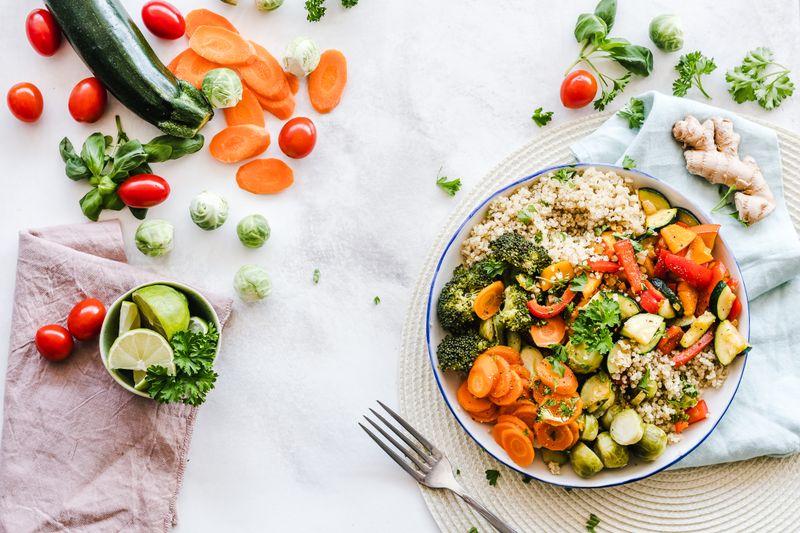
Best greens powder 2026: AG1 (Athletic Greens) leads on nutrient density and bioavailability, but at £2.50/serving. Best budget alternative: Naked Greens at £0.60/serving with comparable micronutrient coverage. Greens powders are a smart insurance policy — not a replacement for real vegetables.
| Protocol | Dose | Timing | Notes | |
|---|---|---|---|---|
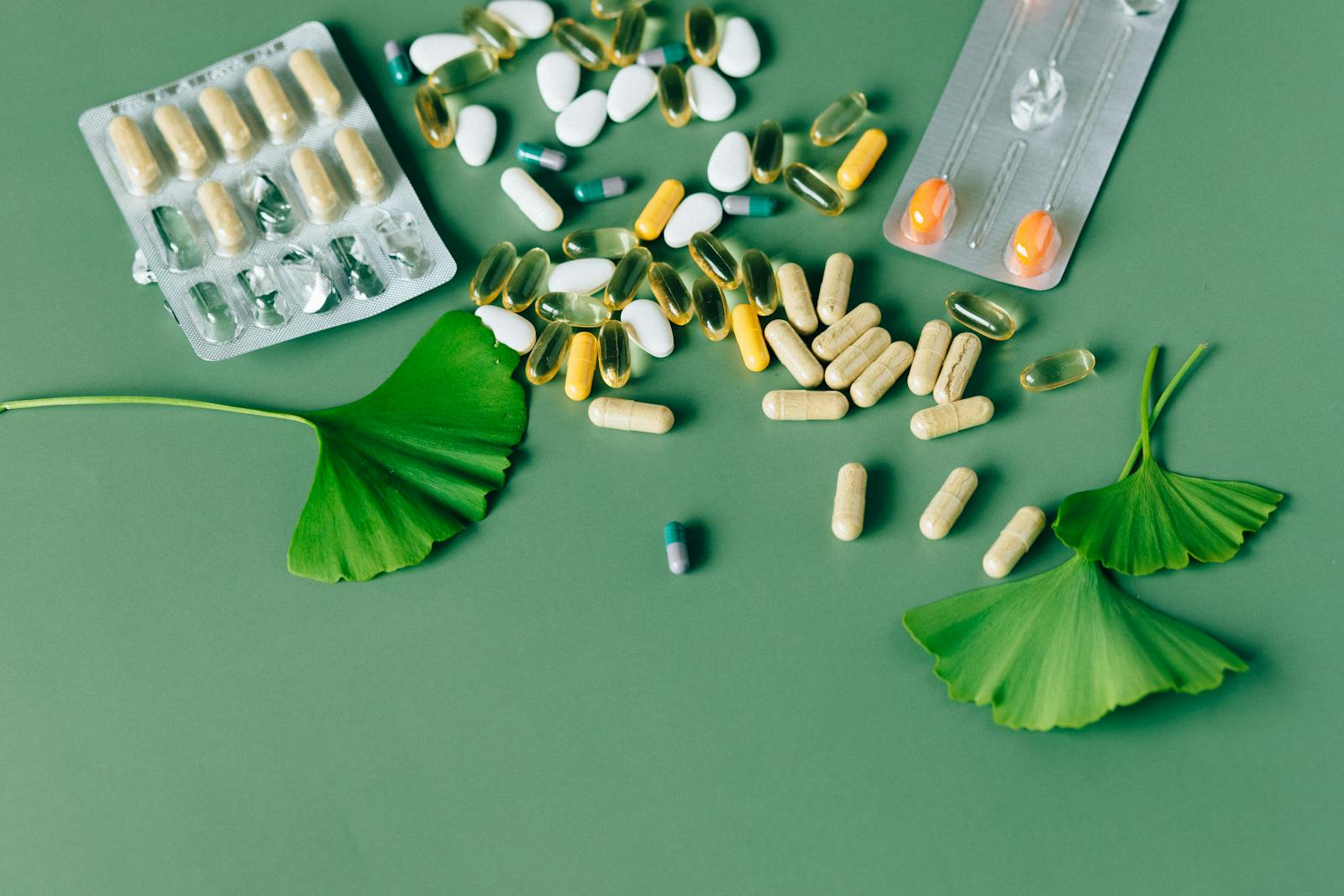 AG1 (Athletic Greens) AG1 (Athletic Greens) | 12g per serving | Morning on empty stomach | 75 vitamins/minerals/probiotics; clinical data limited but broad micronutrient coverage | 🥇 |
| Naked Nutrition Greens | 10g per serving | Morning or post-workout | Clean ingredient list, transparent labeling, no proprietary blend | ✅ |
| Garden of Life Perfect Food | 8g per serving | Morning with water | Organic certification, fermented greens, third-party tested | 🌱 |
| Spirulina standalone | Spirulina 3-5g/day | Morning or in smoothie | Most studied green supplement; 60-70% protein, B12 for vegans, EPA/DHA minimal | 🔬 |
| Chlorella standalone | Chlorella 3-5g/day | With food | Heavy metal binding, immune support — best paired with spirulina | 🌿 |
What to Look For in a Greens Powder
Most greens powders are greenwashing — 1000mg total “superfood blend” with 100 ingredients at 10mg each is biologically irrelevant. Look for: disclosed ingredient amounts, third-party testing (NSF or Informed Sport), and a short list of high-dose actives over a long list of marketing sprinkles.
In This Article
- What to Look For in a Greens Powder
- Frequently Asked Questions
- Do Greens Powders Actually Work? The Honest Science
- What’s Actually in a Good Greens Powder
- What the Research Actually Shows
- When Greens Powders Make Sense
- What to Look for in a Greens Powder
- What Greens Powders Actually Do (And Don’t Do)
- Who Actually Needs a Greens Powder
Affiliate disclosure: NordVital earns a commission at no extra cost to you.
Frequently Asked Questions
Editor’s Top Pick · Lab Tested · Free Shipping
Top-Rated Supplement
✓ Prime eligible ✓ 30-day returns ✓ Verified reviews
Do Greens Powders Actually Work? The Honest Science
Greens powders are among the most popular supplements, but also among the most oversold. The reality is nuanced: they can be a useful addition to a poor diet, but they don’t replace whole vegetables, and most of the impressive health claims aren’t well-supported by clinical trials.
What’s Actually in a Good Greens Powder
Quality greens powders typically contain a blend of:
- Leafy greens (spinach, kale, spirulina, chlorella) — micronutrients, chlorophyll, some antioxidants
- Adaptogens (ashwagandha, rhodiola, maca) — stress management, often in sub-therapeutic doses in blends
- Digestive enzymes and probiotics — gut health support
- Antioxidant fruits (acai, blueberry, pomegranate) — polyphenols
- Grass juices (wheatgrass, barley grass) — chlorophyll, some micronutrients
What the Research Actually Shows
The honest clinical picture: most greens powder trials are small, industry-funded, and use proprietary blends that obscure individual ingredient doses. The most credible finding: a 2004 trial found AG1 (Athletic Greens) improved blood alkalinity markers in adults with poor diet. A 2009 trial on a mixed greens blend found modest reductions in blood pressure.
There’s no strong evidence greens powders are equivalent to eating vegetables. Fiber (essential for gut health and cholesterol) is mostly absent. Heat-sensitive vitamins like vitamin C are often degraded during processing.
When Greens Powders Make Sense
They make most sense as a nutritional insurance policy when:
- You consistently don’t eat 5+ servings of vegetables daily
- Travel makes fresh vegetables difficult to access
- You want the adaptogen/probiotic combo with minimal pills
What to Look for in a Greens Powder
- No proprietary blends (all ingredient doses disclosed)
- Third-party tested for heavy metals and contaminants (greens concentrate heavy metals from soil)
- No fillers, artificial sweeteners, or excessive non-greens ingredients
- ORAC score (oxygen radical absorbance capacity) > 3000 units per serving
What Greens Powders Actually Do (And Don’t Do)
Greens powders occupy a confusing space between food supplement and marketing product. The honest summary: the best ones genuinely fill micronutrient gaps and deliver meaningful doses of antioxidant polyphenols and digestive enzymes. The worst are little more than expensive grass-flavored multivitamins.
Understanding what to look for separates the genuinely useful products from the overpriced ones.
What to Look For
- Third-party testing — NSF Certified for Sport or Informed Sport certification is non-negotiable. Greens powders can accumulate heavy metals (cadmium, lead, arsenic) from soil in concentrations that become problematic at daily use. Testing verifies safety.
- Transparent labeling — Proprietary blends hide ingredient doses. You cannot evaluate whether spirulina is at 500mg (marginal) or 3g (meaningful) if it’s buried in a “Superfood Blend 4.7g.”
- Probiotic stability — Many products advertise probiotics but the strains die during manufacturing and shelf storage unless specifically encapsulated for stability. Look for heat-stable strains like Bacillus subtilis or time-release capsules.
- Digestive enzymes — Amylase, protease, and lipase should be included to support absorption of the other ingredients.
Ingredients That Matter
- Spirulina and chlorella — Dense in protein, B vitamins, iron, and chlorophyll. At 2-3g doses, meaningfully boosts nutrient density.
- Adaptogenic mushrooms — Lion’s mane, reishi, and cordyceps at 500mg+ per serving add nootropic and immune benefits beyond basic greens coverage.
- Ashwagandha — Standardized extract at 300-600mg is useful; token doses under 100mg are marketing-only.
Who Actually Needs a Greens Powder
If you eat 5+ servings of diverse vegetables daily, a greens powder adds little. The realistic use case is someone eating 1-2 servings of vegetables per day who won’t dramatically change their diet. For them, a quality greens powder delivers genuine nutritional benefit at a manageable cost and effort level.
Think of it as vegetable insurance, not a vegetable replacement. It doesn’t eliminate the need for whole food fiber and phytonutrients, but it meaningfully narrows the gap for nutritionally imperfect eating patterns.



Level up your recovery
Supplements work best alongside the right recovery tools. Explore our gear guides: