Affiliate links: as an Amazon Associate and through other programs, we earn from qualifying purchases, at no extra cost to you. Learn more.
Updated 2026

Infrared saunas have become a cornerstone of at-home recovery and longevity routines — and for good reason. Unlike traditional saunas that heat the air around you, infrared models use light to warm your body directly, so they run at more comfortable temperatures (45–60°C / 113–140°F) while still driving the deep sweat, circulation and heat-adaptation benefits people are after. This guide breaks down how to choose one in 2026 by type, features and budget — without the hype.
In This Article
- Our top infrared sauna picks for 2026
- How we evaluate infrared saunas
- #1 Best Overall: Full-Spectrum Infrared Sauna (1-2 person)
- #2 Best Value: Infrared Sauna Blanket
- #3 Best Portable: Portable Infrared Sauna Tent
- #4 Best for Two: 2-Person Full-Spectrum Infrared Cabin
- #5 Best Outdoor: Outdoor Barrel Sauna
- Compare our sauna picks (2026)
- The 4 types of infrared sauna (and who each suits)
- What to look for before you buy
- Price tiers at a glance
- How to use it (the evidence-based basics)
- Safety first
- How infrared saunas work (the quick version)
- Before you buy: space, power and setup
- Running costs and upkeep
- Common mistakes to avoid
- Stack it with: recovery essentials
- Frequently asked questions
If you’re still deciding between heat styles, start with our infrared vs traditional sauna comparison. Pairing heat with cold? See our cold plunge buyer’s guide for the contrast side of contrast therapy.
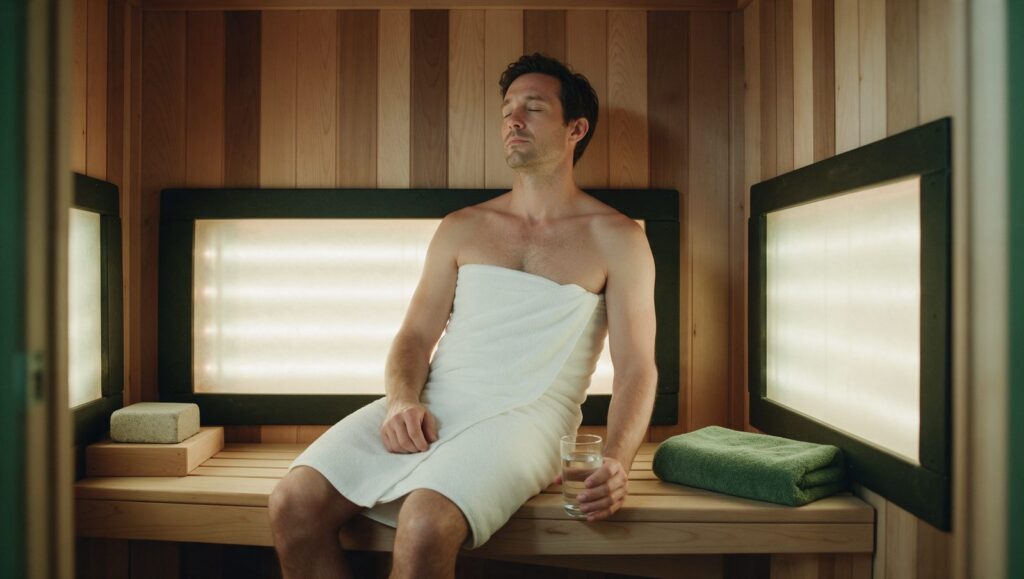
Our top infrared sauna picks for 2026
Affiliate links — we may earn a commission, at no extra cost to you.
We don’t lab-test these units, so our picks reflect the specs and owner-review patterns that matter: low-EMF heaters, even heat coverage, build quality and a fair warranty. Prices are approximate, check the live price on Amazon.
Get our free supplement cheat sheet.
One page: typical doses, timing and upper limits for ten well-studied supplements. No upsell.
🔒 No spam. Unsubscribe anytime. We send 1-2 emails/month max.
#1 Best Overall: Full-Spectrum Infrared Sauna (1-2 person)

Full-Spectrum Infrared Sauna (1-2 person)
See it on Amazon →Independent pick. As an Amazon Associate we earn from qualifying purchases, at no cost to you. Check the live price on Amazon.A proper wood cabin with full-spectrum (near, mid and far) heaters gives you the widest range of benefits and the most comfortable, even heat. Look for low-EMF/low-ELF carbon or ceramic heaters, a clear temperature readout and a solid warranty. The best long-term choice if you have the space.
#2 Best Value: Infrared Sauna Blanket

Infrared Sauna Blanket
See it on Amazon →Independent pick. As an Amazon Associate we earn from qualifying purchases, at no cost to you. Check the live price on Amazon.A folding sauna blanket gives you most of the heat-therapy benefit for a fraction of the price and zero installation. It stores in a closet and heats in minutes. Choose one with a waterproof, low-EMF interior and an auto-shutoff timer, and always use a towel or sleeve layer.
#3 Best Portable: Portable Infrared Sauna Tent

Portable Infrared Sauna Tent
See it on Amazon →Independent pick. As an Amazon Associate we earn from qualifying purchases, at no cost to you. Check the live price on Amazon.A pop-up sauna tent (you sit with your head out) is the easiest way to try infrared at home in a small flat. It folds flat, runs off a normal outlet and costs the least to run. Lower heat output than a cabin, so give it a little longer to warm up.
#4 Best for Two: 2-Person Full-Spectrum Infrared Cabin
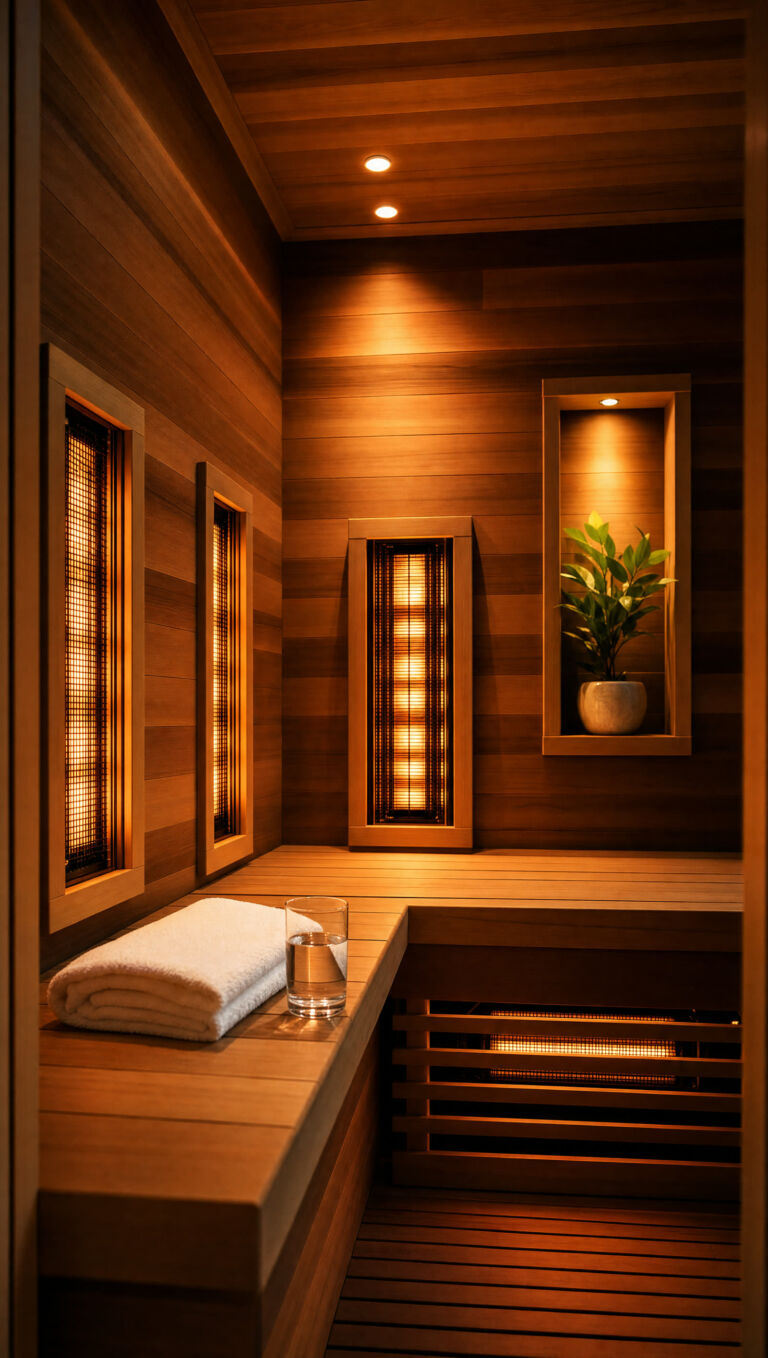
2-Person Full-Spectrum Infrared Cabin
See it on Amazon →Independent pick. As an Amazon Associate we earn from qualifying purchases, at no cost to you. Check the live price on Amazon.If you will share sessions, a 2-person cabin is worth the jump: real bench seating, more heater coverage and no negotiating whose turn it is. Look for full-spectrum heaters (near + mid + far infrared), third-party low-EMF testing and solid hemlock or cedar construction. Typical range in 2026: $3,000–5,500. It plugs into a standard outlet in most cases, but check the amperage before you buy.
#5 Best Outdoor: Outdoor Barrel Sauna
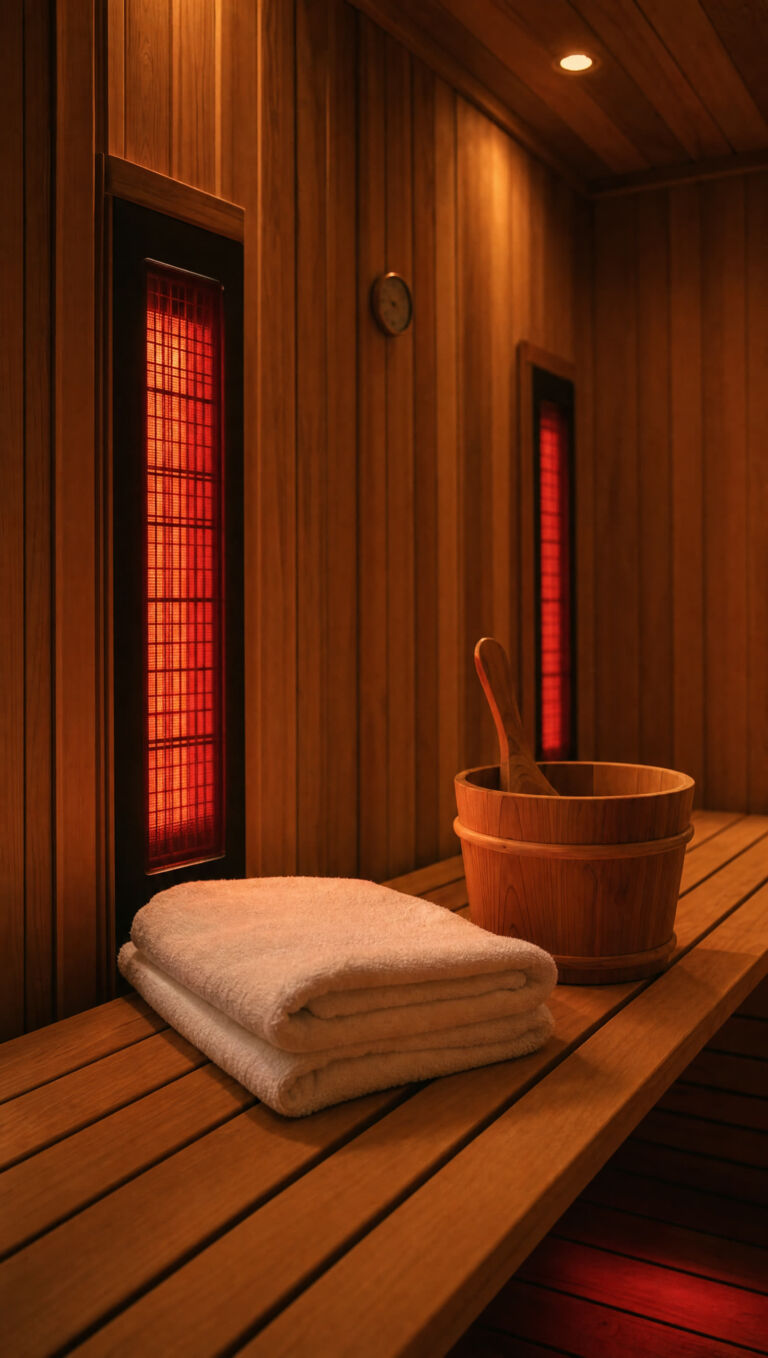
Outdoor Barrel Sauna
See it on Amazon →Independent pick. As an Amazon Associate we earn from qualifying purchases, at no cost to you. Check the live price on Amazon.The classic. A barrel sauna outdoors delivers the traditional high-heat experience (160–195°F with steam over rocks) that most of the Finnish research was actually built on. You need outdoor space, a level base and usually an electrician for the heater circuit. Typical range in 2026: $4,500–9,000. Choose thick staves (38mm+), a quality stove and weather-rated wood.
Compare our sauna picks (2026)
| Pick | Type | Best for | Heat | Typical price (2026) |
|---|---|---|---|---|
| #1 Full-spectrum cabin (1-2p) | Infrared cabin | Best all-round home setup | 120–150°F infrared | $2,500–5,000 |
| #2 Sauna blanket | Far-infrared blanket | Budget, apartments, daily ease | Far-infrared, lying down | $100–500 |
| #3 Portable tent | Infrared/steam tent | Renters, small spaces | Seated, packs away | $150–700 |
| #4 2-person cabin | Full-spectrum cabin | Couples, shared sessions | 120–150°F infrared | $3,000–5,500 |
| #5 Barrel sauna | Traditional outdoor | The classic high-heat experience | 160–195°F + steam | $4,500–9,000 |
💡 Prices are approximate and were last reviewed in October 2026. Retailer prices change often — tap a button for the current price on Amazon or iHerb.
The 4 types of infrared sauna (and who each suits)
There’s no single “best” infrared sauna — the right pick depends on your space, budget and how you’ll use it.
1. Infrared sauna blankets — best for small spaces & budgets
A padded blanket that wraps around you while you lie down. Compact, foldable, and the most affordable way in (typically the $200–$500 range). Great for apartments and travel; less immersive than a cabin and you can’t sit upright or read comfortably.
Browse top-rated infrared sauna blankets on Amazon →
2. Portable / single-person tents — best for trying it out
A zip-up tent with your head outside and a portable heater inside. Cheap and space-saving, but build quality and heat distribution vary a lot. A reasonable entry point if you’re not ready to commit to a cabin.
See portable infrared saunas on Amazon →
3. 1–2 person cabins — best all-rounder for the home
The classic wooden cabin. A 1-person fits most spare rooms; a 2-person gives room to stretch out. This is where most serious home users land — proper benches, better heaters and a real sauna feel. Expect roughly $1,500–$4,000 depending on wood, heaters and spectrum.
Compare 1–2 person infrared sauna cabins on Amazon →
4. Full-spectrum cabins — best for the dedicated biohacker
Full-spectrum units deliver near, mid and far infrared, each associated with different effects (near = skin and cell support, mid = circulation, far = the deep “detox” sweat). Premium territory ($3,000+), and overkill for most beginners — but the top tier if you want everything in one box.
Explore full-spectrum infrared saunas on Amazon →
What to look for before you buy
- EMF levels. Cheaper heaters can emit higher electromagnetic fields. Look for “low-EMF” or published EMF test figures, ideally measured at the body.
- Heater type. Carbon heaters give gentle, even heat over a large area; ceramic heaters get hotter in spots and faster. Many good units combine both.
- Spectrum. Most affordable units are far infrared only — perfectly fine for sweating and relaxation. Near/mid add cost and are a “nice to have,” not essential.
- Wood & materials. Non-toxic, low-VOC woods (like hemlock or basswood) and glues matter in a hot, enclosed space.
- Size & power. Check the door swing, ceiling height and that your outlet can handle the draw.
- Warranty & support. A cabin is a multi-year purchase — a solid warranty (and a brand that answers emails) is worth paying for.
Price tiers at a glance
| Tier | Typical price | Best for |
|---|---|---|
| Sauna blanket | $200–$500 | Apartments, travel, lowest cost of entry |
| Portable tent | $150–$400 | Trying infrared before committing |
| 1–2 person cabin | $1,500–$4,000 | The everyday home sweet spot |
| Full-spectrum cabin | $3,000+ | Dedicated recovery / longevity setups |
How to use it (the evidence-based basics)
Research on sauna bathing generally points to sessions of around 15–25 minutes, 3–4 times per week, building up gradually. Hydrate well before and after, listen to your body, and pair it with cold exposure if you want the full contrast-therapy effect. For the deeper science, see our sauna benefits research roundup.
Safety first
Heat stress is real stress. If you’re pregnant, have cardiovascular issues, low blood pressure, or any medical condition, talk to your doctor before starting sauna use. Don’t use a sauna under the influence of alcohol, and stop immediately if you feel dizzy or unwell. This guide is for general information only and is not medical advice.
How infrared saunas work (the quick version)
A traditional sauna heats the air, which then heats you. Infrared skips a step: panels emit infrared light your body absorbs directly, raising your core temperature at a lower, more comfortable air temperature. That’s why most people find infrared easier to sit in for longer — and why the cabins don’t need the intense 80–100°C of a traditional sauna to make you sweat.
Before you buy: space, power and setup
- Space. Measure the footprint AND the door swing and ceiling height. A “1-person” cabin still needs room to get in and out comfortably.
- Power. Most home cabins run on a standard outlet, but larger or full-spectrum units may need a dedicated circuit — check the amperage before you commit.
- Assembly. Many cabins ship flat-pack and click together in 30–60 minutes with two people. Blankets and portables need zero assembly.
- Flooring. Saunas are heavy and warm — a solid, level floor is ideal; avoid placing directly on thick carpet.
Running costs and upkeep
Infrared saunas are cheap to run — a typical 20-minute session costs only a few cents of electricity because they heat your body, not a large volume of air. Upkeep is minimal: wipe down the benches after use, air it out, and occasionally treat the wood per the maker’s instructions. Sauna blankets just need a quick wipe of the inner liner.
Common mistakes to avoid
- Overbuying spectrum. Most people don’t need a premium full-spectrum cabin — a quality far-infrared unit delivers the core benefits.
- Ignoring EMF. Cheap heaters can run high; look for published low-EMF figures.
- Underestimating size. A 1-person cabin can feel tight if you’re tall — size up if in doubt.
- Skipping hydration. You sweat more than you think — see the recovery essentials below.
Stack it with: recovery essentials
Cold and heat sessions are more demanding on your body than they feel — you sweat out minerals and put real stress on muscles. These research-backed basics help you recover, sleep and replenish, and they cost a fraction of the gear:
- Electrolytes — Heat (and cold) deplete sodium, potassium and magnesium through sweat. A sugar-free electrolyte mix after a session helps prevent cramps, fatigue and that wiped-out feeling. Check electrolytes on Amazon →
- Magnesium glycinate — Supports muscle relaxation and sleep, and it’s one of the first minerals you run low on after heavy sweating. See our magnesium guide or check on Amazon →
- Omega-3 (fish oil) — Helps your body manage the inflammation that intense recovery work creates. Check omega-3 on Amazon →
- Creatine monohydrate — The most-studied recovery and performance supplement; a simple daily add that pairs well with contrast therapy. Check creatine on Amazon →
Hydrate well around every session. Supplements support recovery — they don’t replace water, good food or medical advice.
Frequently asked questions
Are infrared saunas worth it?
If you’ll use it consistently for recovery, relaxation and sleep, a home unit pays for itself quickly versus per-session spa visits. If you’re unsure you’ll stick with it, start with a blanket or portable unit before investing in a cabin.
Infrared sauna blanket vs cabin — which should I get?
Blanket if space and budget are tight or you travel; cabin if you want the immersive, sit-upright experience and have the room. The blanket is the easiest “try before you commit” option.
Is far infrared enough, or do I need full-spectrum?
For most people, a quality far-infrared unit covers the core benefits (sweating, relaxation, circulation). Full-spectrum is a premium upgrade, not a requirement.
How much EMF is safe?
There’s no official sauna EMF standard, so the practical move is to choose low-EMF heaters with published figures and keep your body a few inches from the panels. When in doubt, ask the brand for test data.


The recovery gear guides
Compare cold plunge, sauna and light therapy gear, reviewed by our team.
- → Best Cold Plunge Tubs 2026
- → Best Cold Plunge Chillers 2026
- → Cold + Sauna Contrast Protocol
- → Best Cold Plunge Cost Guide
- → Sauna Blanket vs Sauna
- → Best Sauna Blankets 2026
- → Best Red Light Therapy Devices
- → Red Light Panel vs Mask
- → 7 Cold Plunge Benefits (Science)
- → Sauna Benefits for Longevity
- → Red Light Therapy Benefits
- → Cold Plunge Protocol Tool
- → Sauna Routine Calculator
- → Red Light Dosing Calculator
- → Best LED Face Masks 2026
- → Best Light Therapy Lamps 2026