
Advertising disclosure: This page contains affiliate links. As an Amazon Associate, and through other partner programs, we may earn a commission from qualifying purchases — at no extra cost to you. Learn more.
Updated 2026

Why Dosage Matters: Dose-Response Relationship
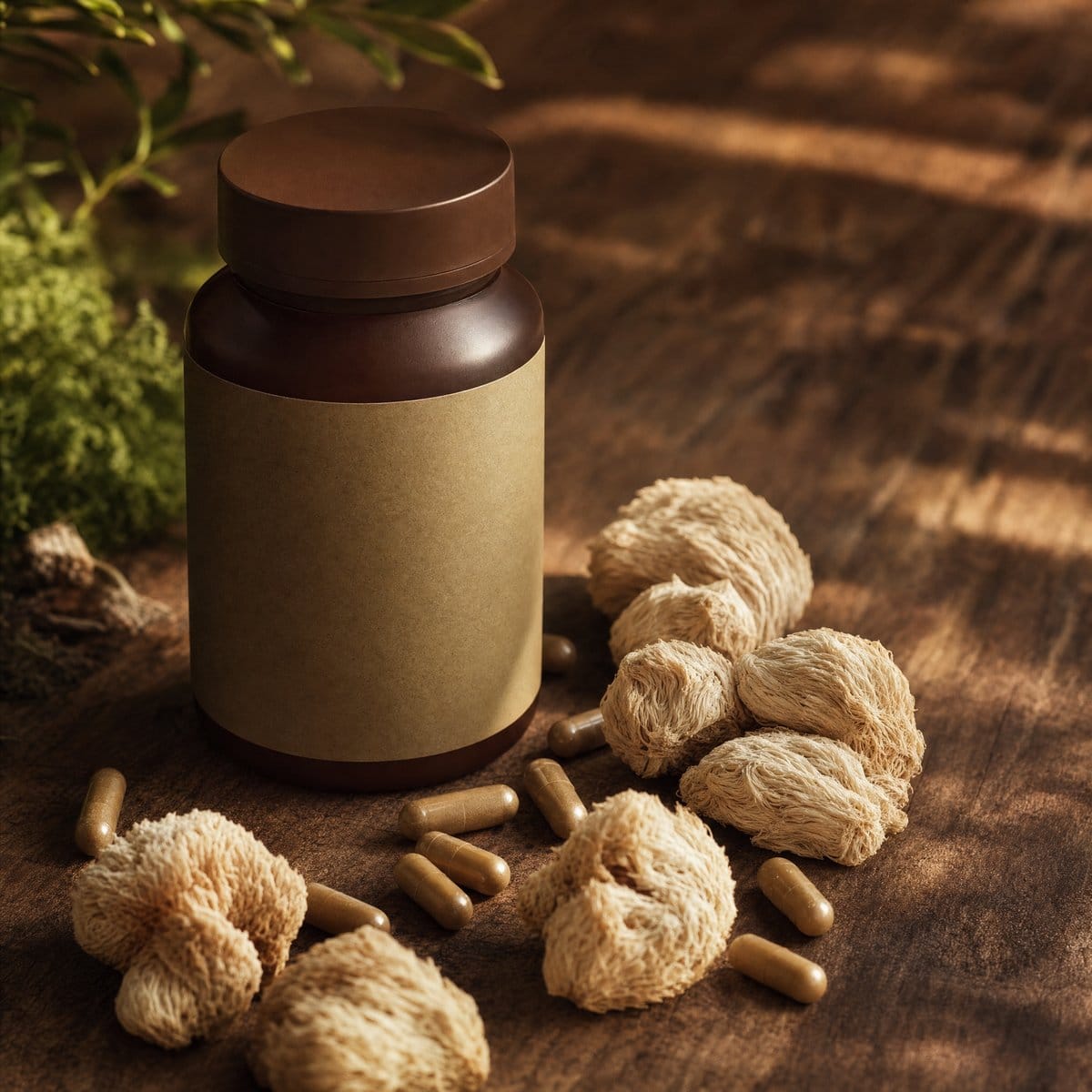
When it comes to supplementing with Lion’s Mane Mushroom, understanding the optimal dosage is crucial for achieving the desired benefits without risking adverse effects. The concept of a dose-response relationship is key here: as the dose of a substance increases, its effect on the body also increases, but only up to a certain point. Beyond this point, further increases in dose may not yield proportionally greater benefits, or may even lead to side effects. This non-linear relationship highlights the importance of carefully calibrating the dose of Lion’s Mane to the individual’s needs.
In This Article
- Why Dosage Matters: Dose-Response Relationship
- Evidence-Based Dose Ranges (Beginner/Standard/Therapeutic)
- Timing: When to Take It (Morning/Afternoon/Evening)
- Form Matters: Which Supplement Type to Choose
- Special Populations (Athletes, Elderly, Pregnancy Warnings)
- Signs You’re Under- or Over-Dosing
- Stacking: What Enhances or Inhibits Absorption
- Key Takeaways
Evidence-Based Dose Ranges (Beginner/Standard/Therapeutic)
Research on Lion’s Mane Mushroom has yielded a range of effective dosages, depending on the intended outcome. Here are some evidence-based dose ranges:
Top 5 Lion's Mane Mushroom Supplements Compared (2026)
| Product | Form / Dose | Best For | Buy |
|---|---|---|---|
|
EDITORS CHOICE Real Mushrooms Lion's Mane Organic · Third-party tested | Fruiting Body (Dual-extract) 500mg | NGF stimulation | Amazon ↗ |
|
RESEARCH BACKED Host Defense Lion's Mane Certified Organic · Vegan | Mycelium + Fruiting Body 500mg | Cognitive health | Amazon ↗ |
|
POPULAR STACK Genius Mushrooms (3-in-1) GMP Certified | Lion's Mane + Cordyceps + Reishi 1500mg total | Brain + energy stack | Amazon ↗ |
|
BUDGET PICK NOW Foods Lion's Mane GMP · Vegan | Mycelium 500mg | Cost-effective option | Amazon ↗ |
|
Terrasoul Lion's Mane Powder Organic · Non-GMO | Fruiting Body Powder 2g (serving) | Smoothie/coffee blend | Amazon ↗ |
Disclosure: NordVital earns a commission on Amazon purchases at no extra cost to you. Picks are based on published research, label doses and third-party certifications; we do not lab-test products.
Lion’s Mane Mushroom Dosage: How Much to Take and When (2026)
Research on Lion’s Mane Mushroom has yielded a range of effective dosages, depending on the intended outcome. Here are some evidence-based dose ranges:
- Beginner dose: 500-1000 mg per day, standardized to 30-40% beta-glucans. This dose is suitable for those looking to support general health and well-being.
- Standard dose: 1000-2000 mg per day, standardized to 30-40% beta-glucans. This dose is commonly used for cognitive support and stress relief.
- Therapeutic dose: 2000-4000 mg per day, standardized to 30-40% beta-glucans. This dose is typically used for more severe cognitive and mental health conditions, such as depression and anxiety.
- Beginner: 500-1000 mg/day, 30-40% beta-glucans
- Standard: 1000-2000 mg/day, 30-40% beta-glucans
- Therapeutic: 2000-4000 mg/day, 30-40% beta-glucans
Timing: When to Take It (Morning/Afternoon/Evening)
While there is no one-size-fits-all answer to when to take Lion’s Mane Mushroom, research suggests that timing may play a role in its effectiveness. Here are some considerations:
- Morning: Taking Lion’s Mane in the morning may help enhance alertness and focus throughout the day.
- Afternoon: Taking Lion’s Mane in the afternoon may help alleviate fatigue and support productivity.
- Evening: Taking Lion’s Mane in the evening may help promote relaxation and improve sleep quality.
Considerations for Timing:
- Some studies suggest that Lion’s Mane may interact with certain medications, such as blood thinners, when taken at night.
- Others recommend taking Lion’s Mane with food to enhance bioavailability.
Form Matters: Which Supplement Type to Choose
When selecting a Lion’s Mane supplement, consider the following factors:
- Capsules or tablets: These are convenient and easy to take, but may not provide the best bioavailability.
- Powder: This form allows for easy mixing into food or drinks, but may require more precise dosing.
- Extracts: These are highly concentrated forms of Lion’s Mane, often standardized to specific beta-glucan levels.
[Table: Dosing Guide]
| Goal | Dose | Timing | Duration |
|---|---|---|---|
| Beginner | 500-1000 mg/day, 30-40% beta-glucans | With breakfast | 1-3 months |
| Standard | 1000-2000 mg/day, 30-40% beta-glucans | With lunch | 3-6 months |
| Therapeutic | 2000-4000 mg/day, 30-40% beta-glucans | With dinner | 6-12 months |
Special Populations (Athletes, Elderly, Pregnancy Warnings)
While Lion’s Mane is generally considered safe, certain populations may require special consideration:
- Athletes: Lion’s Mane may interact with performance-enhancing medications or stimulants. Consult with a healthcare professional before use.
- Elderly: Lion’s Mane may interact with certain medications or exacerbate underlying health conditions. Consult with a healthcare professional before use.
- Pregnancy and breastfeeding: There is limited research on Lion’s Mane use during pregnancy and breastfeeding. Consult with a healthcare professional before use.
Signs You’re Under- or Over-Dosing
While Lion’s Mane is generally considered safe, taking too much or too little may lead to adverse effects. Be aware of these signs:
Under-dosing:
- Insufficient benefits: If you’re not experiencing the desired effects, consider increasing the dose.
- Reduced efficacy: If you’ve been taking Lion’s Mane for an extended period, your body may become adapted, leading to reduced efficacy. Consider cycling the dose or adding other supplements.
Over-dosing:
- Gastrointestinal issues: High doses may cause stomach upset, diarrhea, or nausea.
- Interactions with medications: Taking excessive doses may increase the risk of interactions with certain medications, such as blood thinners.
- Adverse effects: Extremely high doses may cause allergic reactions, anxiety, or other adverse effects.
Stacking: What Enhances or Inhibits Absorption
Stacking Lion’s Mane with other supplements or herbs may enhance or inhibit its absorption. Here are some interactions to consider:
Enhancers:
- Bacopa Monnieri: This herb may enhance Lion’s Mane’s cognitive benefits when taken together.
- Ginkgo Biloba: Ginkgo may increase Lion’s Mane’s bioavailability and enhance its effects.
Inhibitors:
- Caffeine: High doses of caffeine may reduce Lion’s Mane’s absorption and effectiveness.
- Certain medications: Certain medications, such as blood thinners, may interact with Lion’s Mane and reduce its effectiveness.
Key Takeaways
Lion's mane has compelling preclinical evidence and growing human trial data for neurogenesis and cognitive function. The frustrating reality is that benefits require 4-12 weeks of consistent use — there is no short-term cognitive boost. Choose a fruiting body extract standardized for hericenones/erinacines, not mycelium-on-grain powder (very different compounds).
When it comes to Lion’s Mane Mushroom, understanding the optimal dosage, timing, and form is crucial for achieving the desired benefits. Remember:
- Beginner dose: 500-1000 mg/day, 30-40% beta-glucans
- Standard dose: 1000-2000 mg/day, 30-40% beta-glucans
- Therapeutic dose: 2000-4000 mg/day, 30-40% beta-glucans
- Timing: Morning, afternoon, or evening, depending on individual needs
- Form: Capsules, tablets, powder, or extracts
- Special populations: Athletes, elderly, pregnancy, and breastfeeding require special consideration
By following this dosage guide and understanding the interactions between Lion’s Mane and other supplements or herbs, you can optimize your supplement routine and achieve the desired benefits.
Looking for the right brand?
We compared 12 Lion’s Mane brands — checking extraction method, beta-glucan content, third-party testing. See our editor pick + 6 runners-up.




Level up your recovery
Supplements work best alongside the right recovery tools. Explore our gear guides:
- 1Mori K, et al. (2009). Improving effects of the mushroom Yamabushitake on mild cognitive impairment: a double-blind placebo-controlled clinical trial. Phytother Res. PMID 18844328
- 2Nagano M, et al. (2010). Reduction of depression and anxiety by 4 weeks Hericium erinaceus intake. Biomed Res. PMID 20834180
- 3Mori K, et al. (2011). Effects of Hericium erinaceus on amyloid beta(25-35) peptide-induced learning and memory deficits. Biomed Res. PMID 21383512
- 4Lai PL, et al. (2013). Neurotrophic properties of the Lion's mane medicinal mushroom, Hericium erinaceus. Int J Med Mushrooms. PMID 24266378
All studies are peer-reviewed and sourced from PubMed/NCBI. This article is for informational purposes only and does not constitute medical advice. Consult a qualified healthcare provider before starting any supplement regimen.