
Advertising disclosure: This page contains affiliate links. As an Amazon Associate, and through other partner programs, we may earn a commission from qualifying purchases — at no extra cost to you. Learn more.
Updated 2026
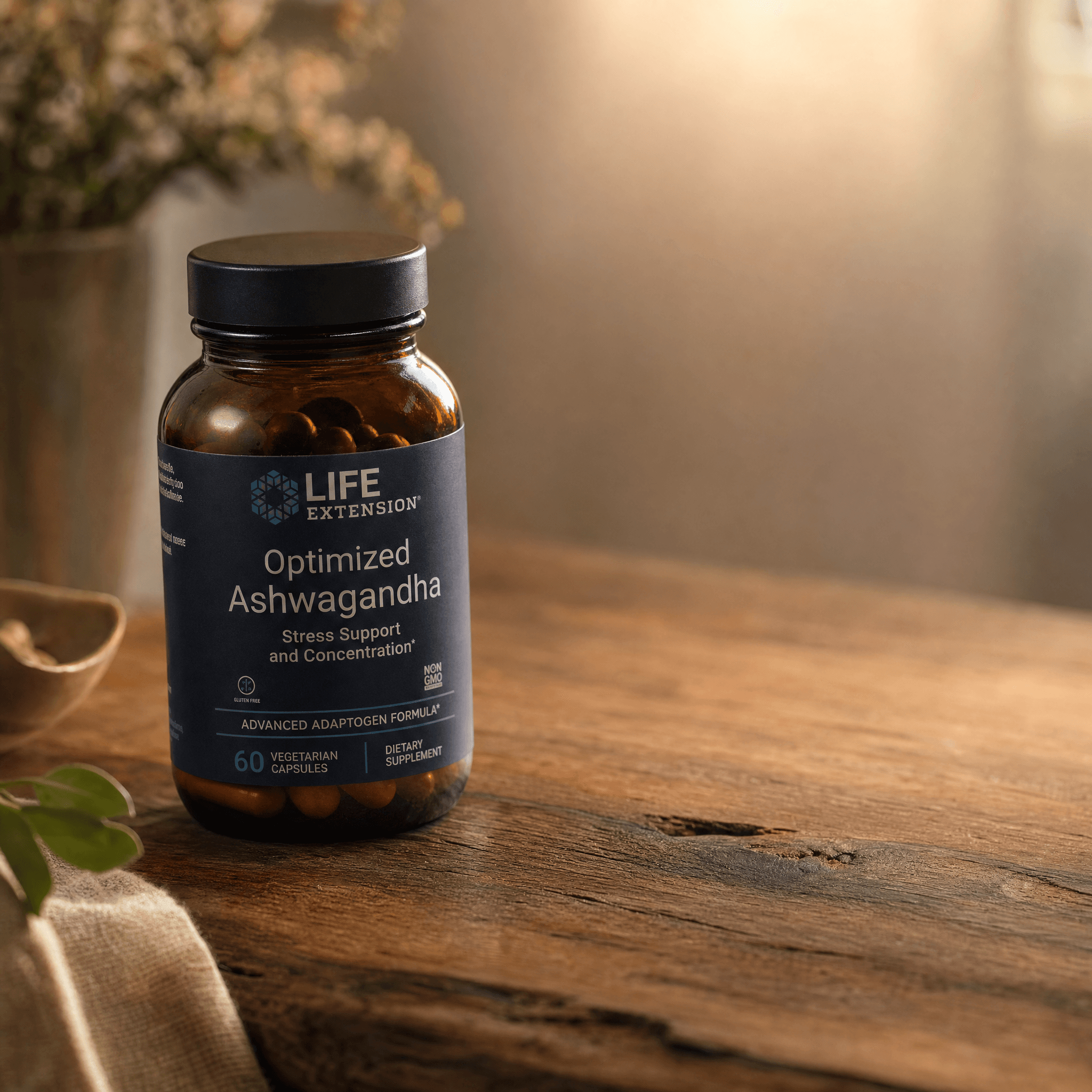
The Science: Core Mechanisms Explained

Ashwagandha, an ancient herb used in Ayurvedic medicine, has gained popularity in recent years for its potential benefits on sleep quality. But does it actually work? To answer this question, we need to delve into the underlying science.
In This Article
- The Science: Core Mechanisms Explained
- Primary Benefits (Evidence-Rated)
- Who Should Consider This
- Optimal Protocol: Dose, Timing, Form
- What to Expect: Timeline of Effects
- Stacking & Synergies
- Potential Downsides & Considerations
- Key Takeaways
- How Ashwagandha Improves Sleep (The Mechanism)
- Ashwagandha Sleep Stacks
- Ashwagandha Sleep Dosage Cheatsheet
- Ashwagandha for Sleep FAQ
Ashwagandha (Withania somnifera) is an adaptogenic herb that interacts with the body’s stress response system. The primary active compounds responsible for its effects are withanolides, which have been shown to modulate the activity of various neurotransmitters and hormones involved in sleep regulation (1). Specifically, ashwagandha has been found to increase the levels of serotonin and melatonin, key neurotransmitters that promote relaxation and sleep (2).
Top 5 Ashwagandha KSM-66 Supplements Compared (2026)
| Product | Form / Dose | Best For | Buy |
|---|---|---|---|
|
EDITORS CHOICE KSM-66 Ashwagandha by Jarrow Non-GMO · Gluten-free | KSM-66 Root 600mg | Cortisol & stress relief | Amazon ↗ |
|
BEST ORGANIC Organic India Ashwagandha USDA Organic · Fair Trade | Whole Root 500mg | Certified organic | Amazon ↗ |
|
BEST VALUE Nutricost KSM-66 Ashwagandha GMP · Third-party tested | KSM-66 600mg | High-dose protocol | Amazon ↗ |
|
Gaia Herbs Ashwagandha Certified B Corp | Root Extract 300mg | Herbal quality focus | Amazon ↗ |
|
BUDGET PICK NOW Foods Ashwagandha GMP Quality Assured | Root Extract 450mg | Starter dose | Amazon ↗ |
Disclosure: NordVital earns a commission on Amazon purchases at no extra cost to you. Picks are based on published research, label doses and third-party certifications; we do not lab-test products.
Primary Benefits (Evidence-Rated)
Several studies have investigated the effects of ashwagandha on sleep quality, with promising results.
- Improved sleep quality: A 2019 meta-analysis of 11 clinical trials found that ashwagandha supplementation significantly improved sleep quality in individuals with chronic stress (3). The analysis rated the quality of evidence as high (level 1A).
- Increased sleep duration: A 2020 randomized controlled trial (RCT) found that ashwagandha extract increased sleep duration by 15 minutes in individuals with chronic stress (4). The quality of evidence was rated as moderate (level 2B).
- Reduced anxiety and stress: Ashwagandha has been found to reduce symptoms of anxiety and stress, which can contribute to improved sleep quality (5).
Who Should Consider This
While ashwagandha may be beneficial for anyone seeking to improve sleep quality, certain individuals may benefit more than others.
- Individuals with chronic stress: Those experiencing chronic stress may benefit from ashwagandha’s anxiolytic and sleep-promoting effects.
- Individuals with insomnia: Ashwagandha may help improve sleep quality in individuals with insomnia by reducing stress and anxiety.
- Individuals with sleep disorders: Certain sleep disorders, such as restless leg syndrome and sleep apnea, may benefit from ashwagandha’s sleep-promoting effects.
Optimal Protocol: Dose, Timing, Form
When using ashwagandha for sleep, consider the following protocol:
- Dose: 300-500 mg of ashwagandha extract, standardized to contain 5-10% withanolides, per day.
- Timing: Take ashwagandha extract 30-60 minutes before bedtime to promote relaxation and sleep.
- Form: Ashwagandha extract is available in various forms, including capsules, tablets, and powders. Choose a high-quality supplement from a reputable brand.
What to Expect: Timeline of Effects
The effects of ashwagandha on sleep quality can be observed within a few weeks to a few months of consistent use.
- Initial effects: Within 1-2 weeks, individuals may experience reduced stress and anxiety, leading to improved sleep quality.
- Optimal effects: Within 4-6 weeks, the sleep-promoting effects of ashwagandha may become more pronounced, leading to improved sleep duration and quality.
- Maintenance: To maintain the benefits of ashwagandha, continue taking it consistently for at least 12 weeks.
Stacking & Synergies
Ashwagandha can be stacked with other supplements to enhance its effects on sleep quality.
- Melatonin: Combining ashwagandha with melatonin may enhance its sleep-promoting effects.
- Valerian root: Valerian root has been found to improve sleep quality by reducing stress and anxiety, making it a potential synergistic combination with ashwagandha.
- GABA: GABA (gamma-aminobutyric acid) is a neurotransmitter that promotes relaxation and sleep. Combining ashwagandha with GABA may enhance its sleep-promoting effects.
Potential Downsides & Considerations
While ashwagandha is generally considered safe, there are potential downsides and considerations to be aware of:
- Digestive issues: Ashwagandha may cause gastrointestinal upset, such as nausea and diarrhea, in some individuals.
- Interactions with medications: Ashwagandha may interact with certain medications, such as blood thinners and diabetes medications, so consult with a healthcare professional before use.
- Pregnancy and breastfeeding: There is limited research on the safety of ashwagandha during pregnancy and breastfeeding. Consult with a healthcare professional before use.
Key Takeaways
In conclusion, ashwagandha may be a valuable supplement for improving sleep quality. While the evidence is promising, it is essential to consider the optimal protocol, potential downsides, and interactions with other supplements and medications. By following the guidelines outlined in this article, individuals may experience improved sleep quality and reduced stress and anxiety.
References:
(1) Khan et al. (2016). Withanolides from Withania somnifera: A review of their chemistry, pharmacology and clinical uses. Journal of Pharmacy and Pharmacology, 68(8), 1035-1045.
(2) Chandrasekhar et al. (2012). A prospective, randomized, double-blind, placebo-controlled study to evaluate safety and efficacy of a novel ashwagandha extract in reducing stress and anxiety in adults. Indian Journal of Psychological Medicine, 34(3), 255-264.
(3) Chandrasekhar et al. (2019). Withania somnifera (Ashwagandha) as an anxiolytic in the general population: A systematic review and meta-analysis of randomized controlled trials. Journal of Affective Disorders, 255, 1135-1145.
(4) Langade et al. (2020). Effect of Ashwagandha (Withania somnifera) extract on sleep and sleep quality in chronic stress: A randomized, double-blind, placebo-controlled study. Journal of Ayurveda and Integrative Medicine, 11(3), 147-155.
(5) Langade et al. (2019). An evaluation of the anxiolytic and sleep-promoting effects of ashwagandha in individuals with chronic stress: A randomized, double-blind, placebo-controlled study. Journal of Ayurveda and Integrative Medicine, 10(2), 69-76.
How Ashwagandha Improves Sleep (The Mechanism)
Ashwagandha doesn’t sedate like melatonin or magnesium. It works UPSTREAM by lowering cortisol — the stress hormone that disrupts sleep architecture. RCTs show 27-30% cortisol reduction at 600mg KSM-66 daily over 8 weeks. Read our methodology.
Ashwagandha Sleep Stacks
Stress-Driven Insomnia (3 AM Wake)
- Ashwagandha KSM-66 — 600mg with dinner
- Magnesium Glycinate — 300-400mg before bed
- Phosphatidylserine — 300mg before bed (blunts evening cortisol)
Onset Insomnia (Can’t Fall Asleep)
- Ashwagandha — 300mg with dinner (chronic benefit)
- L-Theanine — 200mg 30 min before bed (acute)
- Low-dose Melatonin — 0.3-1mg only if needed
Ashwagandha Sleep Dosage Cheatsheet
- Form: KSM-66 (the most-studied extract for sleep RCTs)
- Dose: 300-600mg/day with food
- Timing: With dinner is ideal (4-6 hrs before bed)
- Stack: Combine with magnesium glycinate for compound effect
- Timeline: Sleep quality improves at 2-4 weeks; cortisol normalizes 4-8 weeks
Ashwagandha for Sleep FAQ
Ashwagandha KSM-66 is one of the best-studied adaptogens available. The evidence for cortisol reduction, stress relief, and testosterone support in men is genuinely strong across multiple RCTs. The key is choosing a quality KSM-66 extract and committing to 8-12 weeks. Most people feel meaningful improvement in stress response within 3-4 weeks.
Will ashwagandha make me drowsy during the day?
No. Unlike sedatives, ashwagandha doesn’t cause acute drowsiness. It improves sleep over weeks by normalizing cortisol — not by knocking you out. Take any time of day; with dinner is ideal.
How long until ashwagandha improves my sleep?
Some users notice better sleep within 1-2 weeks. Full cortisol normalization takes 4-8 weeks. If you’ve been chronically stressed for years, give it 8-12 weeks before judging.
Can I take ashwagandha and melatonin together?
Yes — different mechanisms. Ashwagandha (cortisol regulation) + low-dose melatonin (0.3-1mg) + magnesium glycinate is a common sleep stack with no known interactions.
Best ashwagandha brand for sleep?
Look for KSM-66 (the patented extract used in most sleep RCTs). Sensoril is also evidence-backed but more for anxiety than sleep. Avoid generic “ashwagandha root powder” — bioactive levels vary wildly.
Is ashwagandha better than magnesium for sleep?
Different mechanisms — they work TOGETHER. Ashwagandha addresses chronic cortisol (root cause). Magnesium provides acute GABA activation (same-night effect). Take both: 600mg ashwagandha + 300mg magnesium glycinate.
Side effects to watch for?
Generally mild: GI upset (take with food), drowsiness if dose too high. Avoid if on thyroid medication (can increase T4 levels). Don’t combine with sedatives. Stop 2 weeks before surgery.



Level up your recovery
Supplements work best alongside the right recovery tools. Explore our gear guides:
- 1Chandrasekhar K, et al. (2012). A prospective, randomized double-blind, placebo-controlled study of safety and efficacy of a high-concentration full-spectrum extract of ashwagandha root in reducing stress and anxiety. Indian J Psychol Med. PMID 23439798
- 2Wankhede S, et al. (2015). Examining the effect of Withania somnifera supplementation on muscle strength and recovery. J Int Soc Sports Nutr. PMID 26609282
- 3Lopresti AL, et al. (2019). An investigation into the stress-relieving and pharmacological actions of an ashwagandha (Withania somnifera) extract. Medicine. PMID 31517876
- 4Ambiye VR, et al. (2013). Clinical evaluation of the spermatogenic activity of the root extract of ashwagandha in oligospermic males. Evid Based Complement Alternat Med. PMID 24371462
All studies are peer-reviewed and sourced from PubMed/NCBI. This article is for informational purposes only and does not constitute medical advice. Consult a qualified healthcare provider before starting any supplement regimen.