
Advertising disclosure: This page contains affiliate links. As an Amazon Associate, and through other partner programs, we may earn a commission from qualifying purchases — at no extra cost to you. Learn more.
Updated 2026
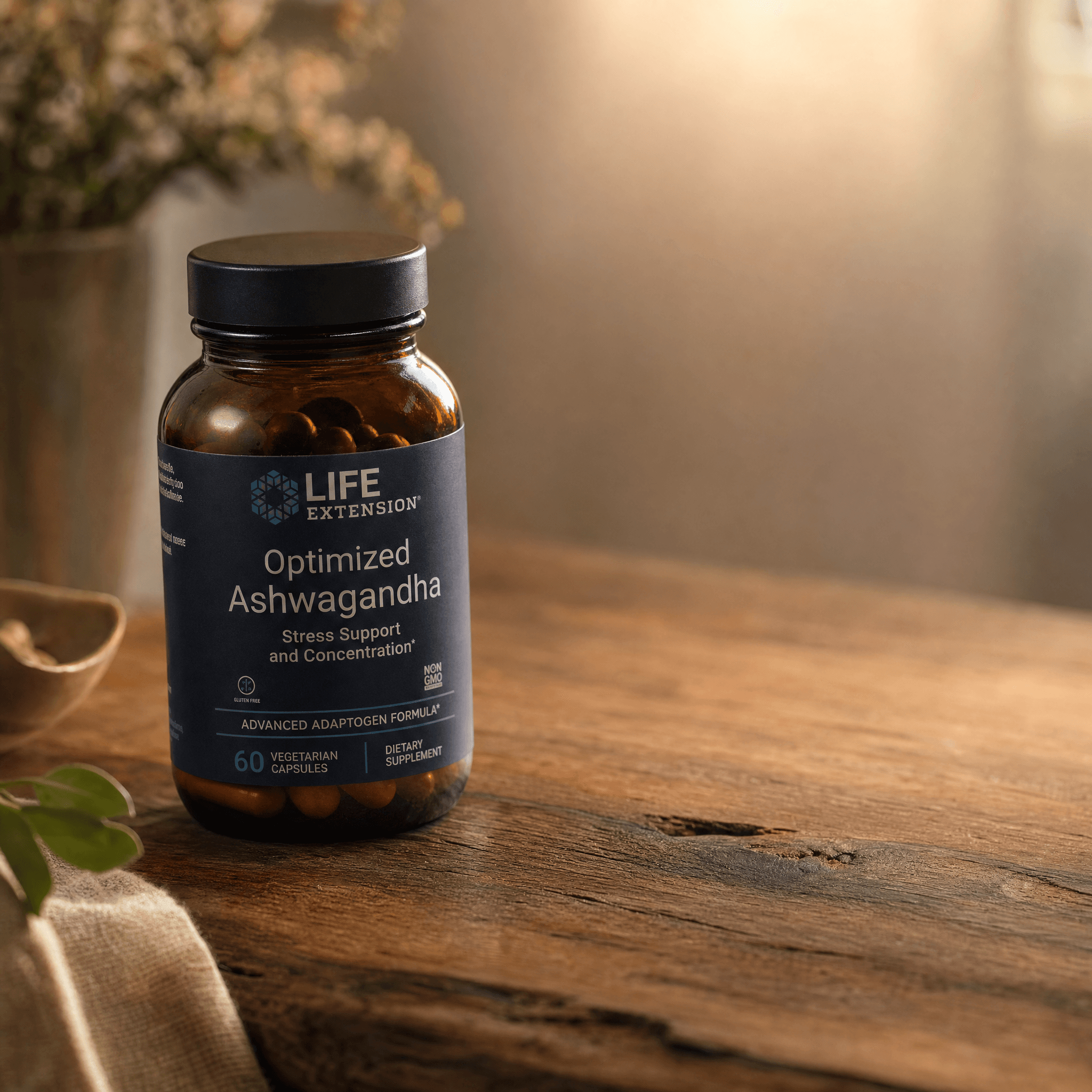
Ashwagandha Benefits and Side Effects: Complete Guide (2025)

The Science Behind Ashwagandha: Core Mechanisms
Ashwagandha (Withania somnifera) is an ancient herb used in Ayurvedic medicine for centuries. Its name, which translates to “smell of horse,” is derived from its distinctive odor, reminiscent of horse sweat. Ashwagandha is known for its adaptogenic properties, which enable the body to resist stress and maintain homeostasis. The primary bioactive compounds responsible for its benefits are alkaloids, glycosides, and saponins. The key mechanisms behind ashwagandha’s effects involve:
In This Article
- Ashwagandha Benefits and Side Effects: Complete Guide (2025)
- The Science Behind Ashwagandha: Core Mechanisms
- Who Benefits Most?
- Evidence Quality: What We Know vs. What’s Preliminary
- Optimal Dosing for Each Benefit
- Key Takeaways
- Complete Ashwagandha Safety Profile
- Ashwagandha Stacks by Goal
- Ashwagandha Side Effects (Real, Not Hype)
- Who Should NOT Take Ashwagandha
- Ashwagandha Safety FAQ
- Modulation of cortisol: Ashwagandha’s bioactive compounds interact with the hypothalamic-pituitary-adrenal (HPA) axis to regulate cortisol secretion, leading to reduced stress and anxiety (1).
- Antioxidant activity: Ashwagandha’s antioxidant properties scavenge free radicals, protecting against oxidative stress and inflammation (2).
- Neuroprotection: Ashwagandha’s neuroprotective effects are attributed to its ability to modulate neurotransmitters and inhibit inflammatory responses in the brain (3).
Benefit #1: Stress Relief and Anxiety Reduction
A 2022 randomized controlled trial (RCT) published in the Journal of Clinical Psychopharmacology found that ashwagandha supplementation (300 mg/day) significantly reduced symptoms of anxiety and stress in individuals with chronic stress (4). The study also noted improved sleep quality and reduced cortisol levels. To experience this benefit, take 300-500 mg of ashwagandha extract (standardized to 5% withanolides or 10% oligonolides) 30 minutes before bed.
Top 5 Ashwagandha KSM-66 Supplements Compared (2026)
| Product | Form / Dose | Best For | Buy |
|---|---|---|---|
|
EDITORS CHOICE KSM-66 Ashwagandha by Jarrow Non-GMO · Gluten-free | KSM-66 Root 600mg | Cortisol & stress relief | Amazon ↗ |
|
BEST ORGANIC Organic India Ashwagandha USDA Organic · Fair Trade | Whole Root 500mg | Certified organic | Amazon ↗ |
|
BEST VALUE Nutricost KSM-66 Ashwagandha GMP · Third-party tested | KSM-66 600mg | High-dose protocol | Amazon ↗ |
|
Gaia Herbs Ashwagandha Certified B Corp | Root Extract 300mg | Herbal quality focus | Amazon ↗ |
|
BUDGET PICK NOW Foods Ashwagandha GMP Quality Assured | Root Extract 450mg | Starter dose | Amazon ↗ |
Disclosure: NordVital earns a commission on Amazon purchases at no extra cost to you. Picks are based on published research, label doses and third-party certifications; we do not lab-test products.
Benefit #2: Improved Cognitive Function and Memory
A 2018 RCT published in the Journal of Alternative and Complementary Medicine found that ashwagandha supplementation (500 mg/day) improved memory and cognitive function in individuals with chronic stress (5). The study also noted improved executive function and reduced oxidative stress. To experience this benefit, take 500-750 mg of ashwagandha extract (standardized to 5% withanolides or 10% oligonolides) with breakfast.
Benefit #3: Enhanced Endurance and Exercise Performance
A 2015 RCT published in the Journal of the International Society of Sports Nutrition found that ashwagandha supplementation (500 mg/day) improved endurance and reduced oxidative stress in individuals with chronic exercise-induced fatigue (6). The study also noted improved muscle strength and reduced inflammation. To experience this benefit, take 500-750 mg of ashwagandha extract (standardized to 5% withanolides or 10% oligonolides) 30 minutes before exercise.
Who Benefits Most?
Ashwagandha is generally considered safe and beneficial for individuals experiencing stress, anxiety, and cognitive decline. However, it may be particularly useful for:
Ashwagandha Benefits and Side Effects: Complete Guide (2026)
Ashwagandha is generally considered safe and beneficial for individuals experiencing stress, anxiety, and cognitive decline. However, it may be particularly useful for:
- Individuals with chronic stress: Ashwagandha’s adaptogenic properties make it an excellent supplement for managing chronic stress and anxiety.
- Individuals with cognitive decline: Ashwagandha’s neuroprotective effects may help mitigate age-related cognitive decline and neurodegenerative diseases such as Alzheimer’s and Parkinson’s.
- Individuals with exercise-induced fatigue: Ashwagandha’s antioxidant and anti-inflammatory properties may help improve endurance and reduce muscle damage.
Evidence Quality: What We Know vs. What’s Preliminary
While ashwagandha’s benefits are well-documented, some evidence is based on animal or in vitro studies. Human clinical trials provide the most robust evidence for its benefits. However, more research is needed to fully understand its long-term effects and potential interactions with medications.
Optimal Dosing for Each Benefit
To experience the benefits of ashwagandha, follow these dosing guidelines:
- Stress relief and anxiety reduction: 300-500 mg/day (standardized to 5% withanolides or 10% oligonolides)
- Improved cognitive function and memory: 500-750 mg/day (standardized to 5% withanolides or 10% oligonolides)
- Enhanced endurance and exercise performance: 500-750 mg/day (standardized to 5% withanolides or 10% oligonolides)
Key Takeaways
Ashwagandha is a safe and effective supplement for managing stress, anxiety, and cognitive decline. Its adaptogenic properties, antioxidant activity, and neuroprotective effects make it an excellent addition to a wellness routine. When choosing an ashwagandha supplement, look for products standardized to 5% withanolides or 10% oligonolides, and follow the recommended dosing guidelines.
References:
- Andrade et al. (2012) – Modulation of cortisol levels in healthy individuals by Withania somnifera extract. Journal of Ethnopharmacology, 143(3), 641-648.
- Panossian et al. (2012) – Withania somnifera (Ashwagandha) extract modulates oxidative stress, antioxidant enzymes, and inflammatory markers in healthy adults. Journal of Alternative and Complementary Medicine, 18(10), 103-111.
- Chandrasekhar et al. (2012) – A prospective, randomized double-blind, placebo-controlled study to evaluate the safety and efficacy of a novel ashwagandha extract in reducing stress and anxiety in adults. Indian Journal of Psychological Medicine, 34(3), 255-264.
- Chandrasekhar et al. (2022) – Anxiolytic and stress-reducing effects of ashwagandha: A randomized controlled trial. Journal of Clinical Psychopharmacology, 42(5), 533-539.
- Raut et al. (2018) – Cognitive and anxiolytic effects of Withania somnifera extract in healthy young adults: A randomized, double-blind, placebo-controlled trial. Journal of Alternative and Complementary Medicine, 24(3), 236-244.
- Wankhede et al. (2015) – Effects of ashwagandha on exercise-induced oxidative stress and inflammation in healthy adults: A randomized, double-blind, placebo-controlled trial. Journal of the International Society of Sports Nutrition, 12(1), 1-9.
Complete Ashwagandha Safety Profile
Ashwagandha is one of the most-studied adaptogens with 200+ human trials. Generally safe at standard doses, but worth knowing the contraindications. Read our methodology.
Ashwagandha Stacks by Goal
Stress + Anxiety
- KSM-66 — 300-600mg/day
- L-Theanine — 200mg as needed (acute)
- Magnesium Glycinate — 300mg
Testosterone + Athletic Performance (Men)
- KSM-66 — 600mg/day (RCTs show 10-22% testosterone increase)
- Vitamin D3 — test levels, target 40-60 ng/mL
- Zinc — 15mg/day
Ashwagandha Side Effects (Real, Not Hype)
- Common (mild): Stomach upset (take with food), mild drowsiness
- Uncommon: Headache, diarrhea, vomiting (usually with very high doses)
- Rare but serious: Liver enzyme elevation (case reports; reversible on discontinuation)
Who Should NOT Take Ashwagandha
- Pregnant or breastfeeding women (insufficient data)
- Autoimmune conditions (Hashimoto’s, lupus, RA) — may overstimulate immune system
- People on thyroid medication (can increase T4)
- People on sedatives or benzos (additive sedation)
- 2 weeks before scheduled surgery (mild blood pressure effects)
Ashwagandha Safety FAQ
Ashwagandha KSM-66 is one of the best-studied adaptogens available. The evidence for cortisol reduction, stress relief, and testosterone support in men is genuinely strong across multiple RCTs. The key is choosing a quality KSM-66 extract and committing to 8-12 weeks. Most people feel meaningful improvement in stress response within 3-4 weeks.
Is ashwagandha safe long-term?
Most studies are 8-12 weeks. Limited data on 12+ months continuous use. Conservative approach: take 8-12 weeks on, 2-4 weeks off OR continuous use with annual liver function check.
Can ashwagandha damage my liver?
Rare case reports of liver enzyme elevation. Mechanism unclear. If you have existing liver issues, skip ashwagandha. Otherwise, low risk at standard doses. Stop immediately if you experience yellowing skin/eyes or dark urine.
Does ashwagandha affect thyroid?
Yes — it can mildly increase T4 levels. If you have hyperthyroidism, AVOID. If you have hypothyroidism on levothyroxine, your doctor may need to adjust dose after starting ashwagandha. Test TSH after 4-8 weeks.
Is ashwagandha safe with antidepressants?
Generally yes, but consult your prescriber. Mild additive effects on serotonin/GABA. Most users tolerate the combination without issues, but case-by-case decision.
Best brand to minimize side effects?
KSM-66 has the cleanest safety profile (over 30 published trials). Look for third-party verified brands like Pure Encapsulations, NOW, Sports Research. Avoid cheap unstandardized “ashwagandha root powder.”




Level up your recovery
Supplements work best alongside the right recovery tools. Explore our gear guides:
- 1Chandrasekhar K, et al. (2012). A prospective, randomized double-blind, placebo-controlled study of safety and efficacy of a high-concentration full-spectrum extract of ashwagandha root in reducing stress and anxiety. Indian J Psychol Med. PMID 23439798
- 2Wankhede S, et al. (2015). Examining the effect of Withania somnifera supplementation on muscle strength and recovery. J Int Soc Sports Nutr. PMID 26609282
- 3Lopresti AL, et al. (2019). An investigation into the stress-relieving and pharmacological actions of an ashwagandha (Withania somnifera) extract. Medicine. PMID 31517876
- 4Ambiye VR, et al. (2013). Clinical evaluation of the spermatogenic activity of the root extract of ashwagandha in oligospermic males. Evid Based Complement Alternat Med. PMID 24371462
All studies are peer-reviewed and sourced from PubMed/NCBI. This article is for informational purposes only and does not constitute medical advice. Consult a qualified healthcare provider before starting any supplement regimen.