Affiliate links: as an Amazon Associate and through other programs, we earn from qualifying purchases, at no extra cost to you. Learn more.
Updated 2026
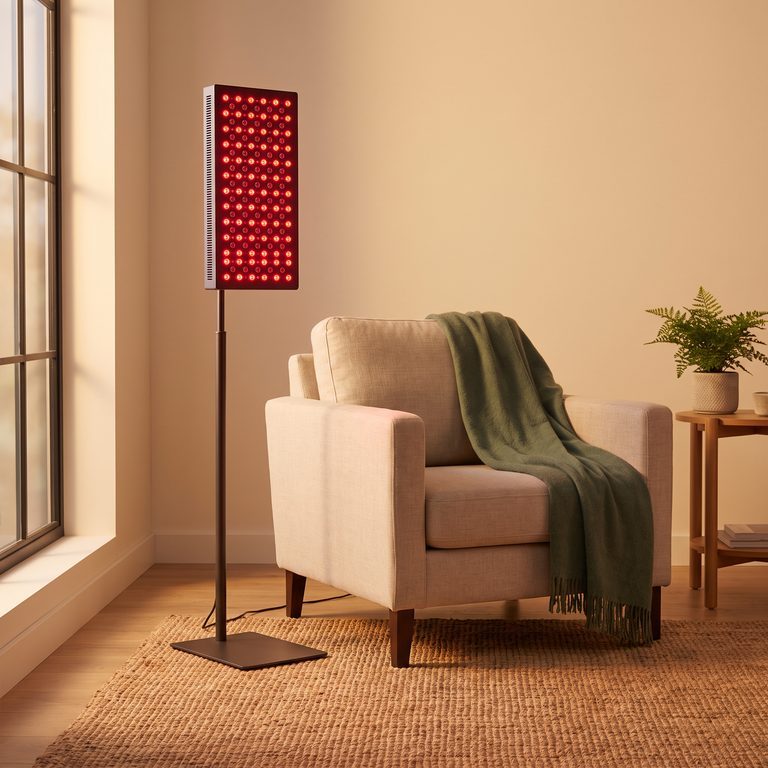
Red light therapy (or photobiomodulation) has gone from clinic-only to a staple of home recovery and skin-care routines. The idea: specific wavelengths of red and near-infrared light may support skin, muscle recovery and circulation. This guide covers how to choose a device in 2026 by type, wavelength and budget — without the marketing hype.
In This Article
- Our top red light therapy picks for 2026
- How we evaluate red light therapy devices
- #1 Best Overall: Full-Body Red Light Panel (660 & 850nm)
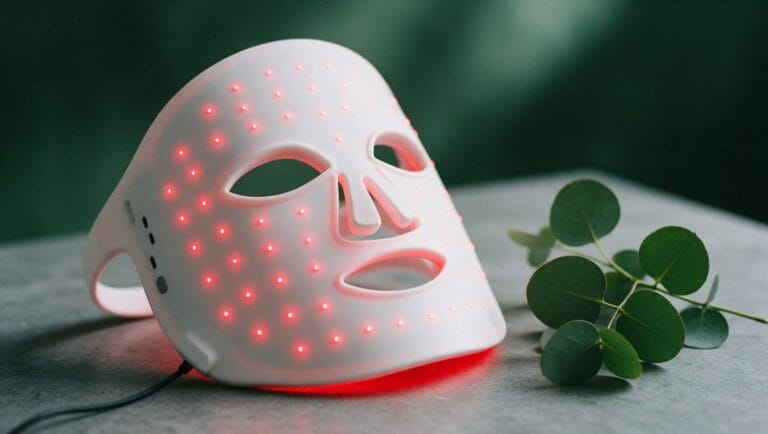
- #2 Best for Face & Skin: Red Light Therapy Face Mask
- #3 Best Budget: Handheld Red Light Device
- #4 Best Upgrade: Half-Body Red Light Panel (660 + 850nm)
- #5 Best for Travel: Portable Red Light Panel
- Compare our red light picks (2026)
- The 4 types of red light device
- What to look for
- Price tiers at a glance
- How to use it
- Safety
- What people use red light therapy for
- How to build a simple routine
- Common mistakes to avoid
- Stack it with: skin & recovery support
- Frequently asked questions
New to the science? See our red light therapy benefits guide. Building a full recovery setup? Pair it with a cold plunge and an infrared sauna.
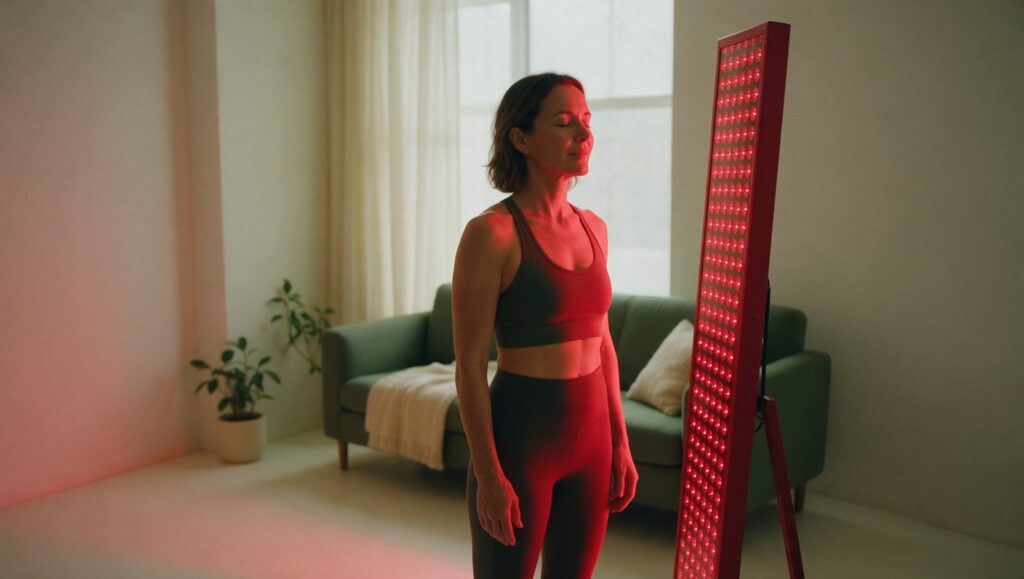
Our top red light therapy picks for 2026
Also from Vellgus: Max 300 (from $1,100) · Mini ($339, pre-order)Affiliate link — we may earn a commission at no extra cost to you. Prices change; the retailer page shows the current price.
Get our free supplement cheat sheet.
One page: typical doses, timing and upper limits for ten well-studied supplements. No upsell.
🔒 No spam. Unsubscribe anytime. We send 1-2 emails/month max.
We don’t lab-test devices, so these picks reflect the specs and buyer-review patterns that matter most: real 660nm and 850nm wavelengths, published irradiance, low EMF and a fair return policy. Prices are approximate, check the live price on Amazon.
#1 Best Overall: Full-Body Red Light Panel (660 & 850nm)
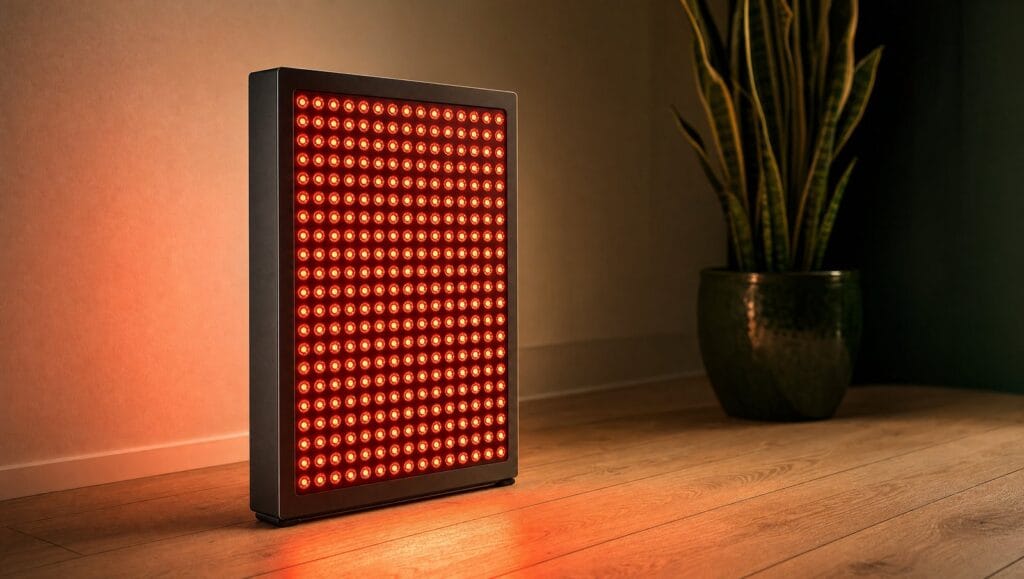
Full-Body Red Light Panel (660 & 850nm)
See it on Amazon →Independent pick. As an Amazon Associate we earn from qualifying purchases, at no cost to you. Check the live price on Amazon.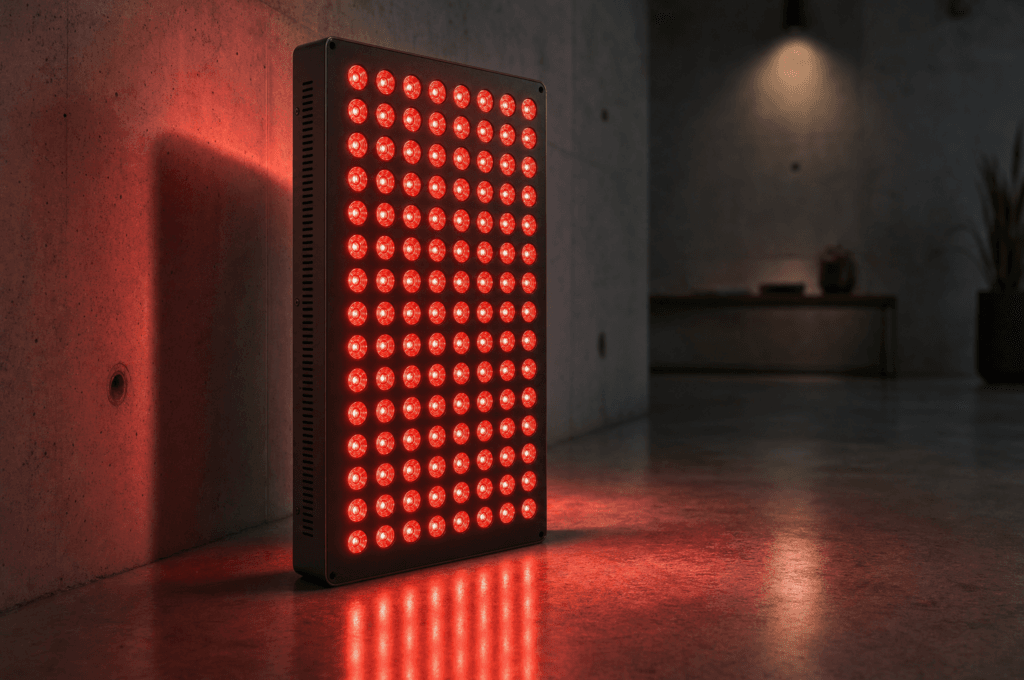
A mid-to-large panel pairing 660nm (red, for skin and surface tissue) with 850nm (near-infrared, for deeper muscle and joints). Look for stated irradiance in mW/cm² at a given distance and a low-EMF rating. The best all-rounder for face, back and recovery.
#2 Best for Face & Skin: Red Light Therapy Face Mask
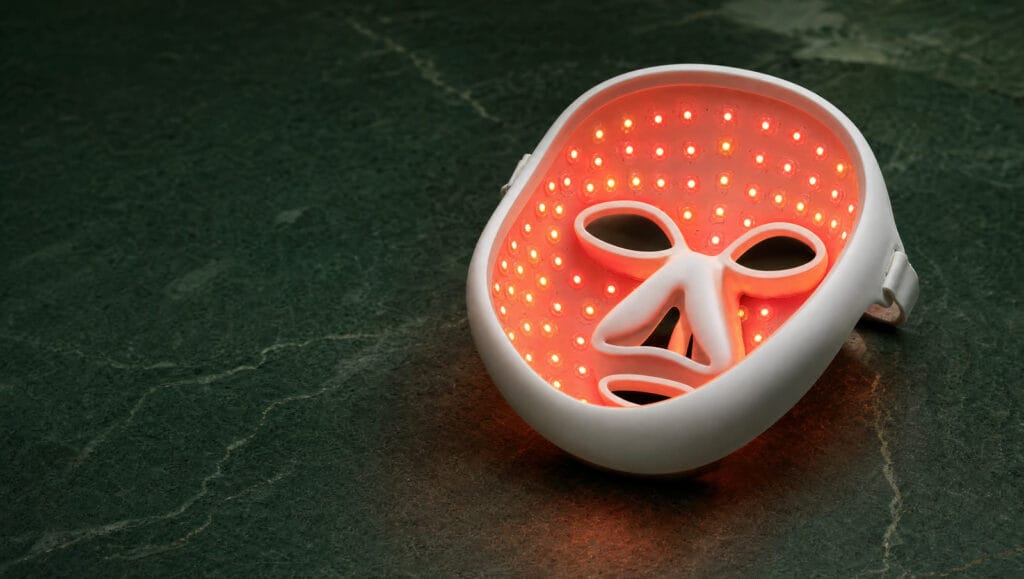
Red Light Therapy Face Mask
See it on Amazon →Independent pick. As an Amazon Associate we earn from qualifying purchases, at no cost to you. Check the live price on Amazon.A hands-free mask (around 630-660nm) for skin tone, fine lines and an easy daily routine. Choose one with even LED coverage and an auto-timer, and treat clean, bare skin for the listed time.
#3 Best Budget: Handheld Red Light Device
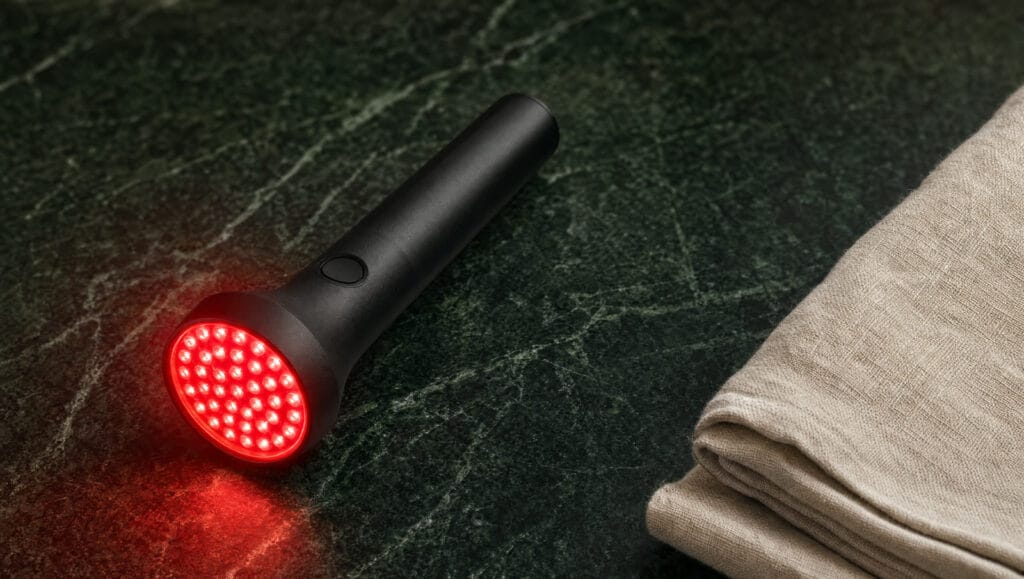
Handheld Red Light Device
See it on Amazon →Independent pick. As an Amazon Associate we earn from qualifying purchases, at no cost to you. Check the live price on Amazon.A pocket-sized torch-style device for targeted spots like a sore knee, elbow or a small patch of skin. Lower power means you hold it close (1-4 inches) for a few minutes per area. The cheapest way to try red light before committing to a panel.
#4 Best Upgrade: Half-Body Red Light Panel (660 + 850nm)
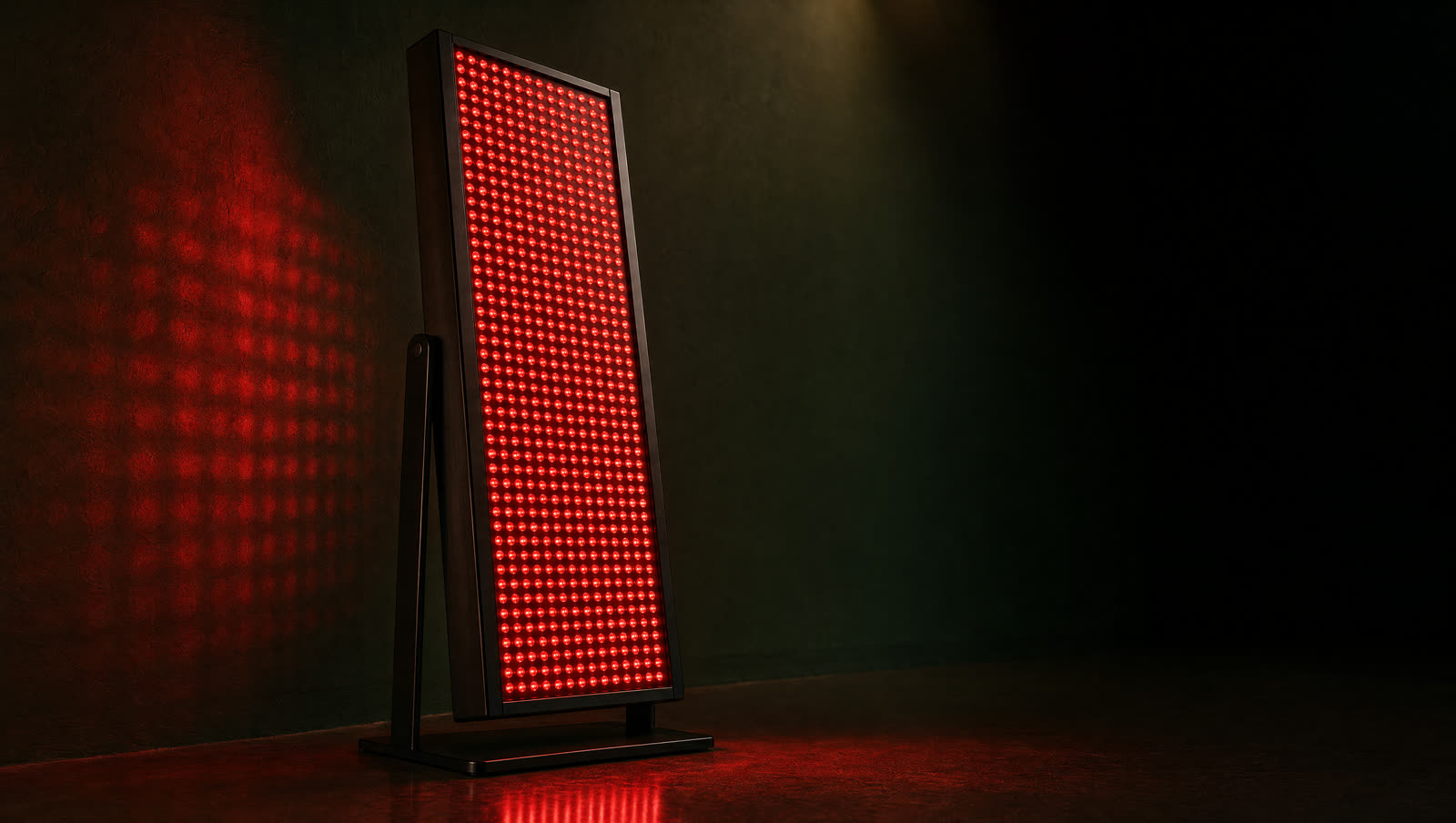
Half-Body Red Light Panel (660 + 850nm)
See it on Amazon →Independent pick. As an Amazon Associate we earn from qualifying purchases, at no cost to you. Check the live price on Amazon.The step up that actually changes your routine: a taller panel with several hundred LEDs treats your torso and legs in one stand, cutting session time roughly in half versus a small panel. Insist on published irradiance numbers, combined 660nm + 850nm output and a door- or stand-mount option. Typical range in 2026: $400–900.
#5 Best for Travel: Portable Red Light Panel
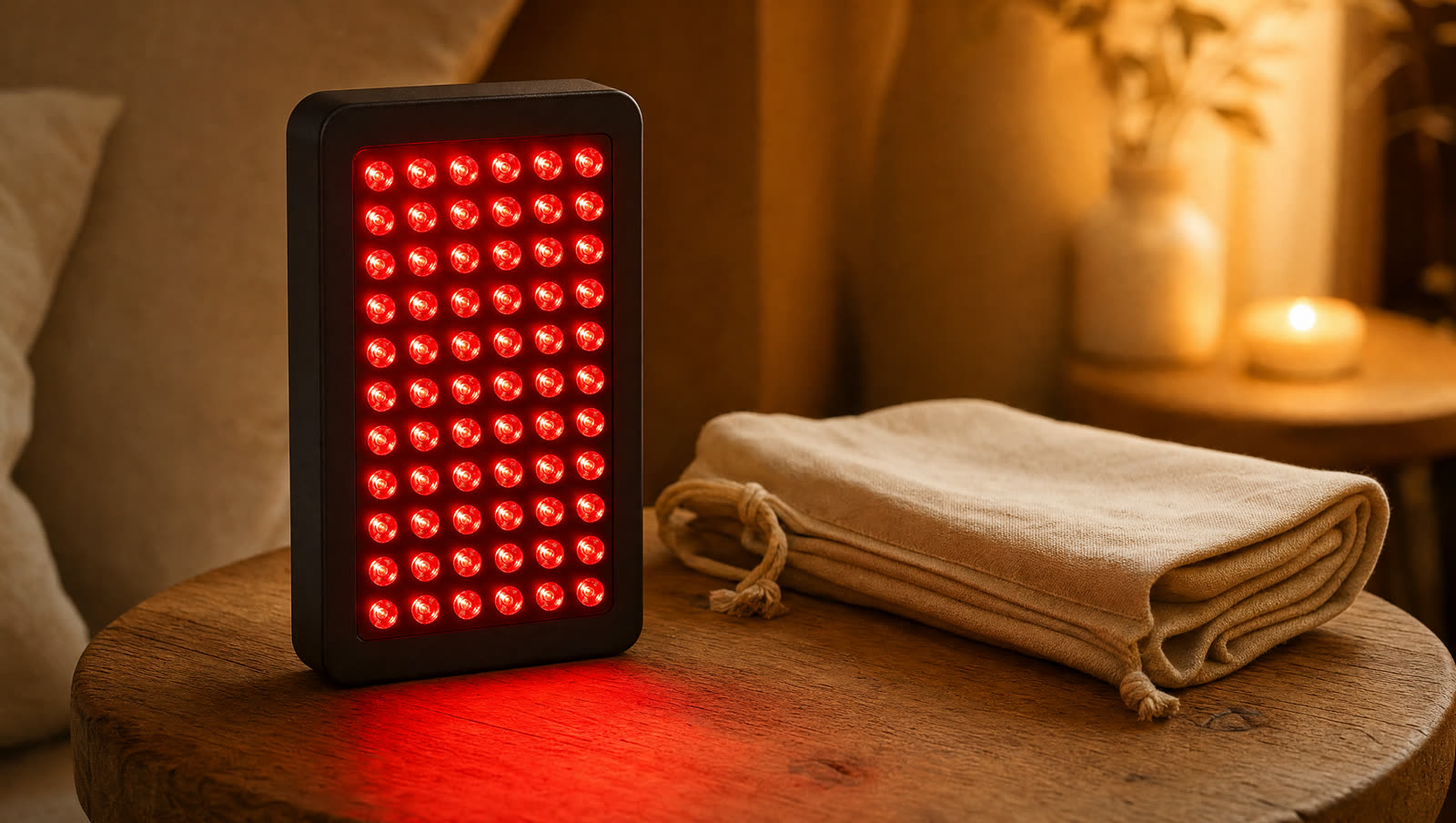
Portable Red Light Panel
See it on Amazon →Independent pick. As an Amazon Associate we earn from qualifying purchases, at no cost to you. Check the live price on Amazon.A compact panel keeps the habit alive on the road: small enough for a carry-on, powerful enough for a knee, shoulder or your face at close range. Expect lower total power than a full panel, so sessions run a little longer. Typical range in 2026: $80–250. Look for dual wavelengths and a simple timer.
Compare our red light picks (2026)
| Pick | Coverage | Wavelengths | Best for | Typical price (2026) |
|---|---|---|---|---|
| #1 Full-body panel | Whole body | 660 + 850nm | Recovery, pain, whole-body skin | $150–1,500 |
| #2 LED face mask | Face | 630–660nm | Skin, fine lines, daily routine | $100–600 |
| #3 Handheld device | Small spot | 660 + 850nm | Budget, targeted joints | $40–300 |
| #4 Half-body panel | Torso + legs | 660 + 850nm | Faster sessions, serious routines | $400–900 |
| #5 Portable panel | Small areas | 660 + 850nm | Travel, keeping the habit | $80–250 |
💡 Prices are approximate and were last reviewed in October 2026. Retailer prices change often — tap a button for the current price on Amazon or iHerb.
The 4 types of red light device
1. Face masks — best for skin
LED masks deliver red light to the whole face hands-free. Best for skin tone, fine lines and a simple routine. Typically $100–$300. Limited to the face. We compare 7 popular masks, including which ones have FDA clearance and for what, in our LED face mask guide.
See red light face masks on Amazon →
2. Handheld / targeted — best for spot treatment
Small wands and pucks for treating one area — a sore shoulder, a patch of skin. Affordable ($50–$200) and portable, but slow for large areas.
See handheld red light devices on Amazon →
3. Panels — best all-rounder
Wall-mountable or standing panels that cover larger areas of the body. The go-to for recovery and full-body routines. $300–$2,000+ depending on size and power. For specific models, sizes and current prices, see our best red light therapy panels guide.
Compare red light panels on Amazon →
4. Wraps & pads — best for joints
Flexible pads that wrap around a knee, elbow or back for targeted, hands-free treatment. Handy for recovery from training.
See red light wraps on Amazon →
What to look for
- Wavelength. Look for red light around 630–660nm (skin) and near-infrared around 810–850nm (deeper tissue, recovery). Many good panels combine both.
- Irradiance (power density). Higher irradiance means shorter sessions and more effective dosing. Reputable brands publish measured figures at a stated distance.
- Treatment area. Match the device to your goal — a mask for the face, a panel for the body.
- EMF & flicker. Lower is better; quality brands test for both.
- Clearance & testing. Look for FDA-cleared devices and third-party irradiance testing rather than marketing claims.
Price tiers at a glance
| Type | Typical price | Best for |
|---|---|---|
| Handheld / wrap | $50–$200 | Targeted spots, joints, travel |
| Face mask | $100–$300 | Skin, simple daily routine |
| Panel (small–large) | $300–$2,000+ | Full-body recovery |
How to use it
Most protocols use sessions of about 10–20 minutes, a few times per week, with the device at the distance the maker specifies. Consistency matters more than long sessions. Always use the eye protection provided, and don’t look directly into the LEDs.
Safety
Red light therapy is generally well tolerated, but it isn’t a cure-all and results vary. If you’re pregnant, taking photosensitising medication, or have a skin or eye condition, check with your doctor first. This guide is for general information only and is not medical advice.
What people use red light therapy for
The most consistent evidence is for skin (tone, fine lines, post-blemish recovery) and muscle recovery after training. People also use it for general relaxation as part of a morning or evening routine. It isn’t a cure for medical conditions — think of it as a supportive tool and keep expectations realistic.
How to build a simple routine
- Pick your goal. Skin → a mask or panel on the face. Recovery → a panel on the worked muscles. Joints → a wrap.
- Get the distance right. Follow the maker’s recommended distance — too far and you lose dose; closer isn’t always better.
- Keep sessions short and regular. 10–20 minutes, 3–5 times a week beats one long session.
- Protect your eyes. Use the goggles provided and don’t stare into the LEDs.
- Be patient. Skin and recovery effects build over weeks, not days.
Common mistakes to avoid
- Buying on marketing alone. Look for published wavelength and irradiance figures, not just “powerful red light”.
- Wrong device for the goal. A handheld won’t efficiently cover your whole back; a big panel is overkill for a single blemish.
- Inconsistency. The most common reason people see nothing is skipping sessions.
Stack it with: skin & recovery support
Red light works best alongside the basics that support skin and recovery from the inside:
- Collagen peptides — Support skin elasticity and joints; a natural pairing with red light skin routines. See our collagen guide or check on Amazon →
- Vitamin C — A cofactor your body uses to build collagen. Check vitamin C on Amazon →
- Omega-3 (fish oil) — Supports skin and helps manage recovery inflammation. Check omega-3 on Amazon →
Supplements support results — they don’t replace a balanced diet or medical advice.
Frequently asked questions
Does red light therapy actually work?
The evidence is most consistent for skin (tone, fine lines) and for muscle recovery. Results depend on using the right wavelength and dose consistently — it’s a gradual effect, not an overnight fix.
What wavelength is best?
Around 630–660nm (red) for skin and 810–850nm (near-infrared) for deeper tissue and recovery. Combination devices cover both.
How often should I use it?
Most routines are 10–20 minutes, 3–5 times a week. Consistency beats marathon sessions.
Mask, panel or handheld — which should I buy?
Mask for facial skin, panel for full-body recovery, handheld or wrap for targeted spots and joints. Pick by your main goal.
The recovery gear guides
Compare cold plunge, sauna and light therapy gear, reviewed by our team.
- → Best Cold Plunge Tubs 2026
- → Best Cold Plunge Chillers 2026
- → Cold + Sauna Contrast Protocol
- → Best Cold Plunge Cost Guide
- → Best Infrared Saunas 2026
- → Sauna Blanket vs Sauna
- → Best Sauna Blankets 2026
- → Red Light Panel vs Mask
- → 7 Cold Plunge Benefits (Science)
- → Sauna Benefits for Longevity
- → Red Light Therapy Benefits
- → Cold Plunge Protocol Tool
- → Sauna Routine Calculator
- → Red Light Dosing Calculator
- → Best LED Face Masks 2026
- → Best Light Therapy Lamps 2026