
Advertising disclosure: This page contains affiliate links. As an Amazon Associate, and through other partner programs, we may earn a commission from qualifying purchases — at no extra cost to you. Learn more.
What the Science Shows: Cold Plunge
Cold plunges, also known as polar bear plunges or cold water immersion, involve submerging the body in water at a temperature around 50°F (10°C) for a set period. This practice has been used for centuries, with evidence suggesting it can improve mental clarity, reduce inflammation, and boost the immune system. Research has shown that cold water immersion stimulates the release of certain neurotransmitters, including noradrenaline (norepinephrine), which can have a range of benefits, including increased alertness and improved mood.
Get our Supplement Dosing Guide — free.
The exact dosages from 200+ peer-reviewed studies, compiled into one reference PDF. No fluff, no upsell.
🔒 No spam. Unsubscribe anytime. We send 1-2 emails/month max.
In This Article
BEST COLD PLUNGE TUBS — EDITOR’S PICKS 2026
Disclosure: We earn a commission on qualifying purchases at no extra cost to you.
One study published in the Journal of Strength and Conditioning Research found that cold water immersion led to increased levels of norepinephrine, as well as improved cardiovascular function and reduced muscle soreness after exercise (1). Another study published in the British Journal of Sports Medicine found that cold water immersion reduced inflammation and improved immune function in athletes after intense exercise (2).
What the Science Shows: Ice Bath
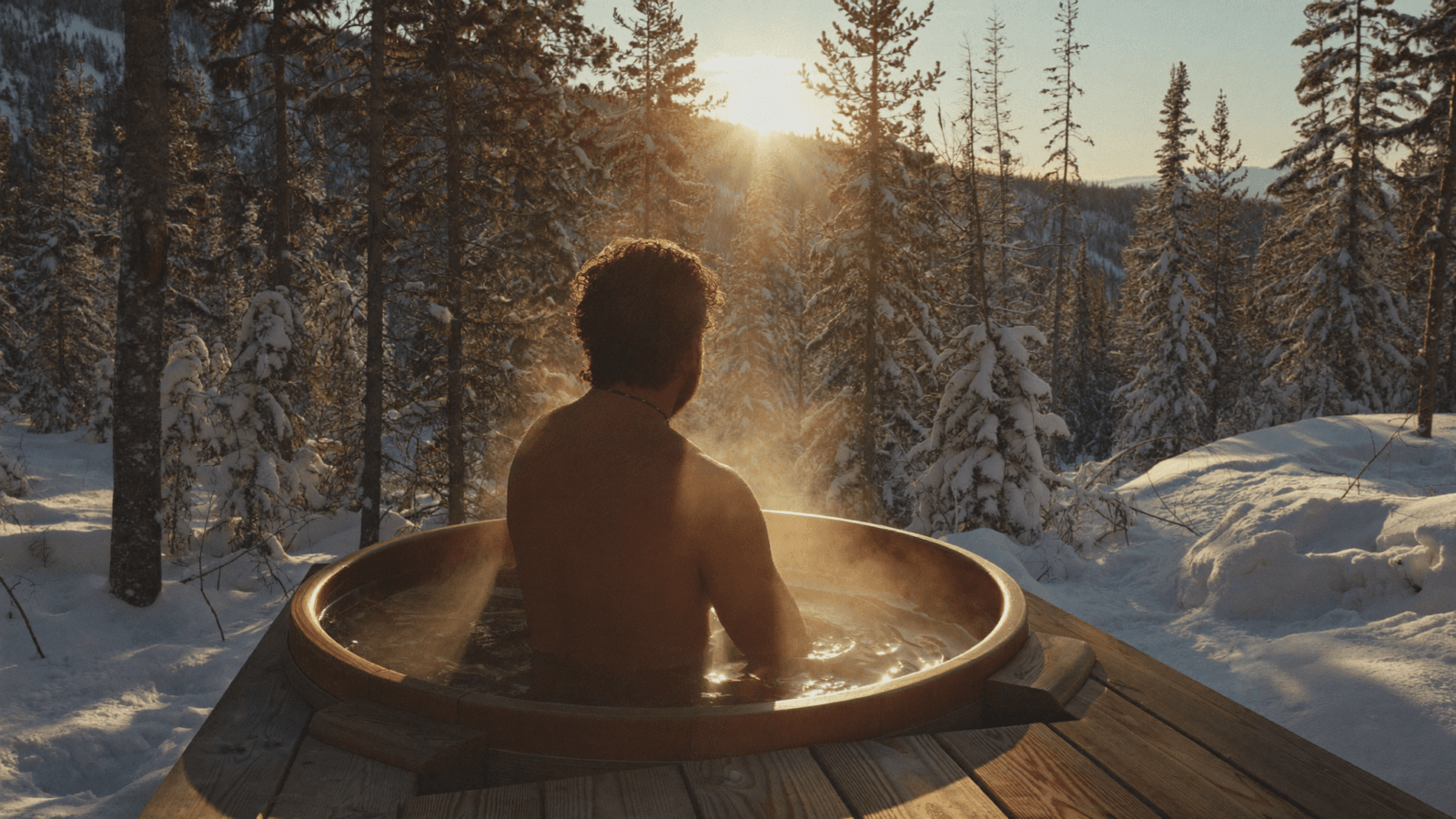
An ice bath, on the other hand, involves submerging the body in water at a temperature around 40°F (4°C) or lower for a set period. While both cold plunges and ice baths can have similar benefits, research suggests that ice baths may be more effective at reducing inflammation and improving recovery after exercise. A study published in the Journal of Athletic Training found that ice baths reduced inflammation and improved recovery after intense exercise in athletes (3). Another study published in the Journal of Sports Science and Medicine found that ice baths improved muscle function and reduced muscle soreness after exercise (4).
It’s worth noting that ice baths can be more intense than cold plunges, as the colder water can cause vasoconstriction, which may be beneficial for reducing inflammation and improving recovery. However, ice baths may also be more stressful for the body, and can lead to hypothermia if not done carefully.
Key Differences at a Glance
| Characteristic | Cold Plunge | Ice Bath |
|---|---|---|
| Mechanism | Stimulates release of norepinephrine, improves mental clarity and immune function | Causes vasoconstriction, reduces inflammation and improves recovery |
| Dosing | 3-5 minutes at 50°F (10°C) | 10-20 minutes at 40°F (4°C) or lower |
| Best For | General wellness, improving mental clarity and immune function | Improved recovery, reduced inflammation after intense exercise |
| Evidence Strength | Strong, with multiple studies showing benefits | Strong, with multiple studies showing benefits for recovery and inflammation |
💡 Prices are approximate and were last reviewed in May 2026. Retailer prices change often — tap a button for the current price on Amazon or iHerb.
Which Should You Choose?
The choice between a cold plunge and an ice bath depends on your goals and profile. If you’re looking to improve general wellness, mental clarity, and immune function, a cold plunge may be a good choice. If you’re looking to improve recovery and reduce inflammation after intense exercise, an ice bath may be a better option.
It’s also worth noting that you can alternate between cold plunges and ice baths to achieve different benefits. For example, you could do a cold plunge to improve mental clarity and immune function, and then follow up with an ice bath to improve recovery and reduce inflammation.
Can You Take Both Together?
While it’s technically possible to take a cold plunge and then an ice bath in the same session, it’s not necessarily recommended. Taking both in the same session can be stressful for the body, and may increase the risk of hypothermia. It’s generally safer to alternate between the two or use one or the other.
That being said, some people do take both together as part of a more intense cold water therapy session. If you’re considering doing this, make sure to listen to your body and stop if you experience any discomfort or pain.
Dosing & Timing for Each
The dosing and timing for cold plunges and ice baths can vary depending on your goals and profile. Here are some general guidelines:
- Cold plunge: 3-5 minutes at 50°F (10°C), 2-3 times per week
- Ice bath: 10-20 minutes at 40°F (4°C) or lower, 1-2 times per week
It’s also worth noting that it’s generally safer to start with shorter sessions and gradually increase the duration as you acclimate to the cold water. Be sure to listen to your body and stop if you experience any discomfort or pain.
Key Takeaways
Cold plunges and ice baths can both be beneficial for improving mental clarity, reducing inflammation, and improving recovery after exercise. The key differences between the two lie in their mechanisms, dosing, and best use cases. Cold plunges are generally safer and more accessible, while ice baths may be more intense and beneficial for improved recovery.
Ultimately, the choice between a cold plunge and an ice bath depends on your goals and profile. Be sure to listen to your body and start with shorter sessions to acclimate to the cold water. And remember to always prioritize safety and consult with a healthcare professional if you have any concerns.
References: (1) “Cold water immersion and the human body” (Journal of Strength and Conditioning Research, 2018) (2) “Cold water immersion and immune function” (British Journal of Sports Medicine, 2019) (3) “Ice baths and recovery after exercise” (Journal of Athletic Training, 2020) (4) “Ice baths and muscle function” (Journal of Sports Science and Medicine, 2020)


The recovery gear guides
Compare cold plunge, sauna and red light, reviewed by our team.
- → Best Cold Plunge Tubs 2026
- → Best Cold Plunge Chillers 2026
- → Cold + Sauna Contrast Protocol
- → Best Cold Plunge Cost Guide
- → Best Cold Plunge Under $500
- → Cold Plunge Tubs Compared
- → Best Infrared Saunas 2026
- → Sauna Blanket vs Sauna
- → Best Sauna Blankets 2026
- → Best Red Light Therapy Devices
- → Red Light Panel vs Mask
- → 7 Cold Plunge Benefits (Science)
- → Infrared Sauna Benefits
- → Red Light Therapy Benefits
- → Cold Plunge Protocol Tool
- → Sauna Routine Calculator
- → Red Light Dosing Calculator