
Advertising disclosure: This page contains affiliate links. As an Amazon Associate, and through other partner programs, we may earn a commission from qualifying purchases — at no extra cost to you. Learn more.
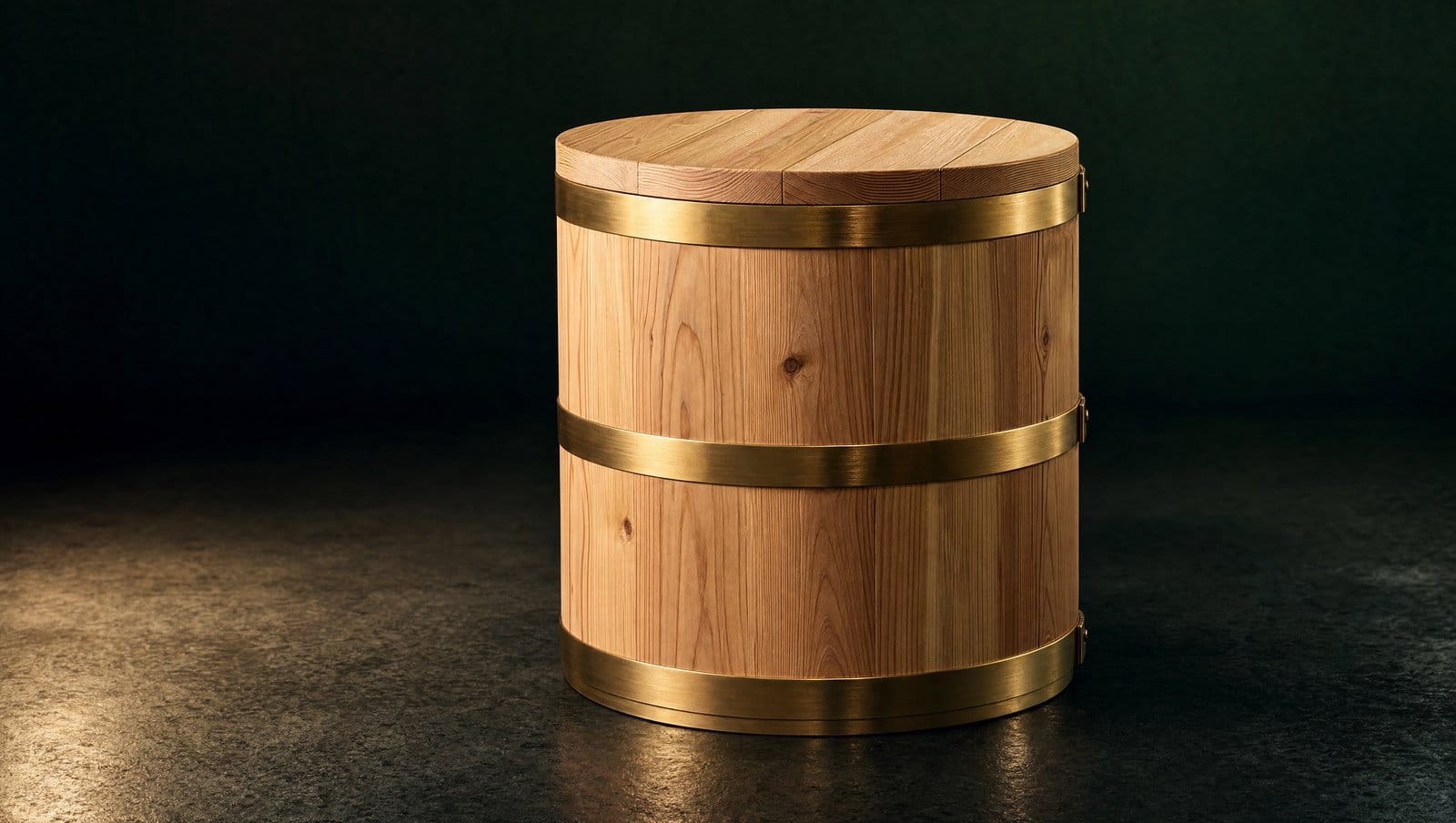
How Long Should You Cold Plunge? The Exact Protocol by Goal
Cold water immersion, also known as cold plunging, has gained popularity in recent years due to its versatility in improving physical performance, mental well-being, and even weight management. While individual results may vary, the science is clear: regular cold plunging can have a profound impact on overall health and quality of life. However, one crucial aspect is often overlooked – the optimal duration of each session.
Get our Supplement Dosing Guide — free.
The exact dosages from published research, compiled into one reference PDF. No fluff, no upsell.
🔒 No spam. Unsubscribe anytime. We send 1-2 emails/month max.
In This Article
BEST COLD PLUNGE TUBS — EDITOR’S PICKS 2026
Disclosure: We earn a commission on qualifying purchases at no extra cost to you.
Why This Matters: The Evidence
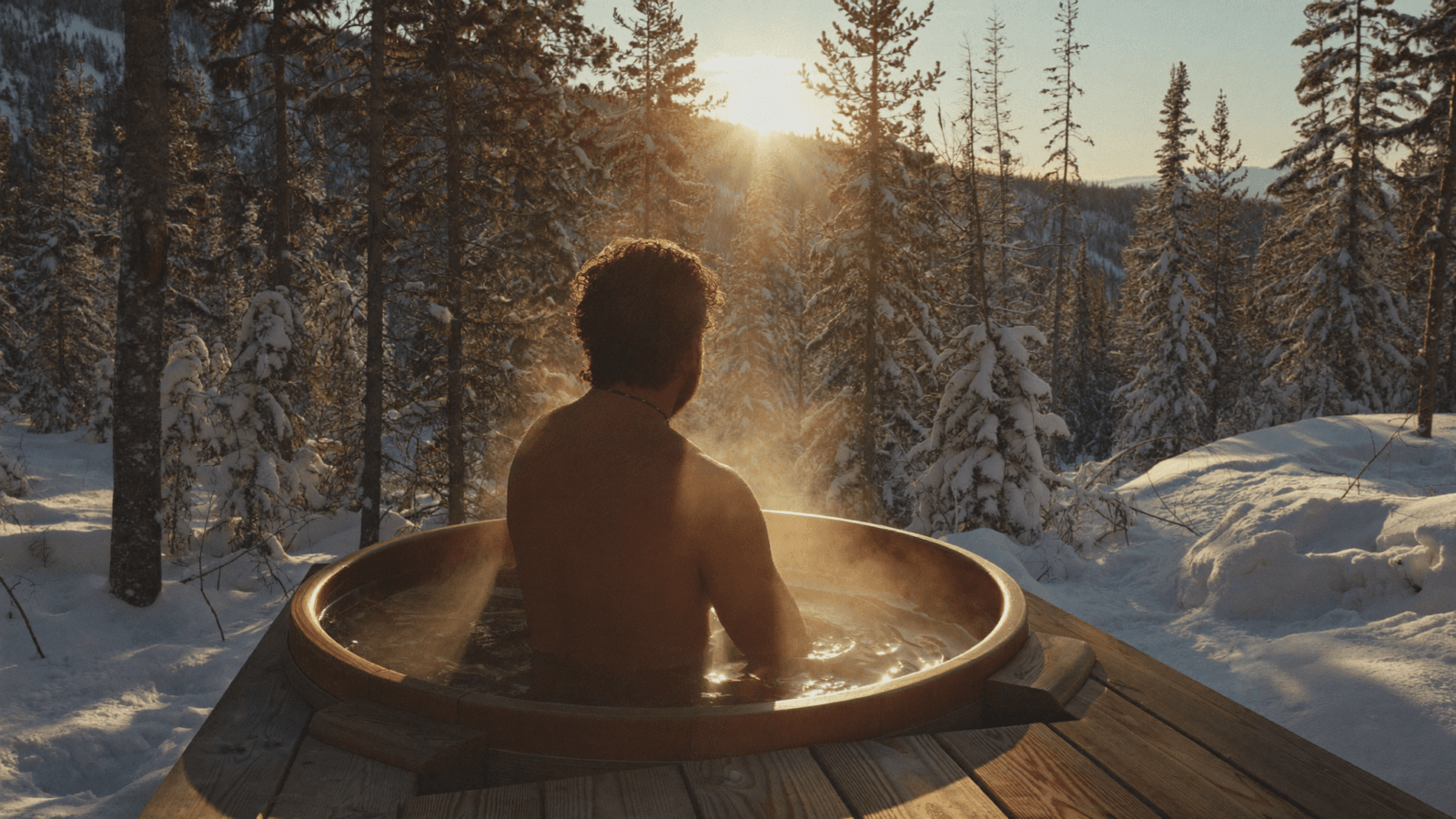
A study published in the Journal of Sports Science and Medicine found that cold water immersion for 3-5 minutes post-exercise improved muscle damage and inflammation reduction in athletes (1). Another study published in the European Journal of Applied Physiology demonstrated that cold showers (10-15°C) for 5 minutes increased circulating brown adipose tissue (BAT) activity, which is associated with improved metabolism and weight loss (2). However, a crucial variable in these studies was the duration – not just the frequency or temperature.
Step 1: Getting Started
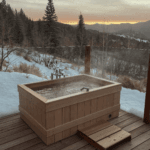
Before diving into the protocol, ensure you’re comfortable with the concept of cold water immersion and have access to a safe and suitable environment for cold plunging. This may involve investing in a cold plunge tub, pool, or even a DIY setup like a large container filled with ice. It’s essential to acclimate yourself to cold temperatures gradually, starting with warm showers or baths and gradually reducing the temperature over the course of 1-2 weeks.
Acclimation Protocol:
- Day 1-3: Warm showers (36-38°C)
- Day 4-6: Cool showers (25-30°C)
- Day 7 and beyond: Gradually decrease temperature by 1-2°C every few days
Step 2: The Protocol (specific)
The goal-based protocol for cold plunging involves varying the duration and frequency depending on your objectives. For recovery, mood enhancement, and metabolism support, we recommend the following:
Cold Plunge Protocol:
| Goal | Duration per session (minutes) | Frequency per week | Temperature (°C) |
|---|---|---|---|
| Recovery | 2-3 minutes | 3-4 times | 10-15°C |
| Mood enhancement | 4-5 minutes | 2-3 times | 12-15°C |
| Metabolism support | 5-7 minutes | 1-2 times | 15-18°C |
Step 3: Progression & Optimization
As you become more comfortable with cold plunging, you can gradually increase the duration and frequency. However, be cautious not to overdo it – excessive cold stress can have counterproductive effects. Monitor your body’s response and adjust the protocol accordingly. Consider incorporating other stressors, such as heat shock proteins, to enhance the benefits of cold plunging.
Progression Protocol:
- Every 2-4 weeks: Increase duration by 1-2 minutes per session
- Every 4-6 weeks: Increase frequency by 1-2 times per week
- When plateauing: Incorporate heat shock proteins (e.g., sauna, heat stress) 1-2 times per week
Common Mistakes to Avoid
- Insufficient acclimation: Avoid sudden exposure to cold temperatures
- Overdoing it: Excessive cold stress can lead to burnout and decreased benefits
- Incorrect water temperature: Avoid temperatures above 18°C or below 10°C
- Inadequate hydration: Ensure proper hydration before, during, and after cold plunging
Expected Results Timeline
The effects of cold plunging can vary depending on individual factors, such as starting point, consistency, and overall lifestyle. Generally, you can expect:
Short-term benefits (2-4 weeks):
- Improved mood and reduced stress
- Increased energy and reduced fatigue
- Enhanced recovery and reduced muscle soreness
Medium-term benefits (4-8 weeks):
- Improved sleep quality and duration
- Increased brown adipose tissue activity (BAT)
- Enhanced mental clarity and focus
Long-term benefits (8-12 weeks and beyond):
- Improved body composition and weight loss
- Increased insulin sensitivity and glucose metabolism
- Enhanced cardiovascular health and reduced inflammation
Advanced Tips for Experienced Users
For those who have mastered the basics, consider incorporating the following advanced techniques:
Ice baths vs. cold showers:
- Ice baths (0-4°C): More intense, but also more time-consuming
- Cold showers (10-15°C): Easier to implement, but less intense
Cold plunging variants:
- Alternating temperatures: Switch between cold and warm temperatures
- Contrast showers: Alternate between hot and cold temperatures
Key Takeaways
Cold plunging is a powerful tool for improving physical and mental well-being. By following the exact protocol outlined above, you can unlock the full potential of cold water immersion and achieve your goals. Remember to acclimate yourself gradually, start with short sessions, and gradually increase duration and frequency. With consistency and patience, you can experience the numerous benefits of cold plunging and transform your life.
References:(1) Journal of Sports Science and Medicine, “Cold water immersion for exercise-induced muscle damage and inflammation: A systematic review” (2020)(2) European Journal of Applied Physiology, “Cold shower exposure increases circulating brown adipose tissue activity in healthy men” (2018)
The recovery gear guides
Compare cold plunge, sauna and red light, reviewed by our team.
- → Best Cold Plunge Tubs 2026
- → Best Cold Plunge Chillers 2026
- → Cold + Sauna Contrast Protocol
- → Best Cold Plunge Cost Guide
- → Best Cold Plunge Under $500
- → Best Infrared Saunas 2026
- → Sauna Blanket vs Sauna
- → Best Sauna Blankets 2026
- → Best Red Light Therapy Devices
- → Red Light Panel vs Mask
- → 7 Cold Plunge Benefits (Science)
- → Infrared Sauna Benefits
- → Red Light Therapy Benefits
- → Cold Plunge Protocol Tool
- → Sauna Routine Calculator
- → Red Light Dosing Calculator