Affiliate links: as an Amazon Associate and through other programs, we earn from qualifying purchases, at no extra cost to you. Learn more.
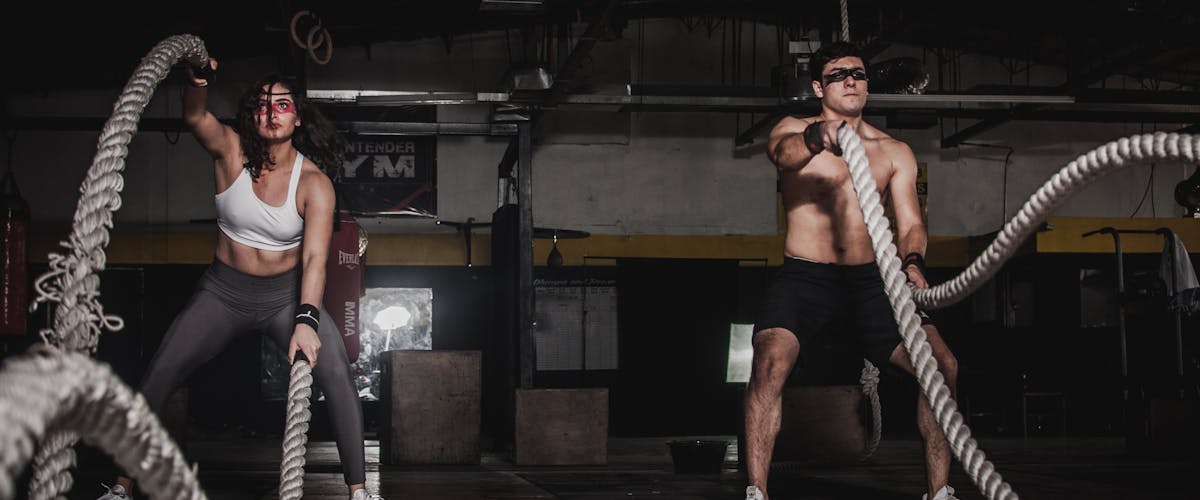

Top testosterone optimization strategies (evidence-ranked): 1) Sleep 8 hours (testosterone produced during deep sleep — 1hr less sleep = 10-15% lower T). 2) Fix deficiencies: vitamin D, zinc, magnesium. 3) Heavy compound lifts 3-4x/week. 4) Reduce body fat below 20%. 5) Supplements: Ashwagandha + Tongkat Ali for the last ~15-20% optimization.
| Form / Protocol | Dose | Timing | Notes |
|---|---|---|---|
| 🔴 Fix deficiencies first | Vitamin D3 up to 4,000 IU + Zinc 8–15 mg + Magnesium 400mg | With meals | Most men are deficient in all three |
| 😴 Sleep optimization | Magnesium 200–350 mg + Apigenin 50mg + L-Theanine 200mg | Before bed | Testosterone produced during deep sleep |
| 🌿 Primary adaptogen | Ashwagandha KSM-66 600mg | With dinner | -27% cortisol → +17% testosterone |
| ⚡ Secondary booster | Tongkat Ali 400mg (5 on, 2 off) | Morning | Free testosterone increase + libido |
| 🧬 Longevity support | NMN 500mg + Omega-3 3g | Morning | Mitochondrial + hormone transport support |
In This Article
The Testosterone Decline Problem
Average testosterone levels have declined 1% per year since the 1980s — independent of age. A 40-year-old man today has 30% less testosterone than a 40-year-old in 1987. Causes: endocrine disruptors (plastics, pesticides), obesity, chronic stress, sleep deprivation, and sedentary lifestyle.
Evidence-Based Testosterone Stack
Affiliate disclosure: NordVital earns a commission at no extra cost to you.
Frequently Asked Questions
Editor’s Top Pick
Natural Testosterone Support Stack
Affiliate link: we may earn a commission at no extra cost to you.
The Evidence-Based Guide to Optimizing Testosterone Naturally
Testosterone is declining in men globally — average levels are 20–25% lower than in the 1980s. This is not inevitable. Most men can significantly improve their testosterone through lifestyle and strategic supplementation, without the side effects of TRT (testosterone replacement therapy).
Lifestyle Factors That Directly Impact Testosterone
Sleep: The Most Important Variable
Testosterone is primarily secreted during deep sleep. A University of Chicago study found that restricting sleep to 5 hours/night for just one week reduced testosterone by 10–15% in young healthy men — the equivalent of aging 10–15 years. Priority #1 is non-negotiable: 7–9 hours of quality sleep.
Get our Supplement Dosing Guide — free.
The exact dosages from published research, compiled into one reference PDF. No fluff, no upsell.
🔒 No spam. Unsubscribe anytime. We send 1-2 emails/month max.
Resistance Training
Compound lifts (squat, deadlift, bench press, overhead press) produce the largest acute testosterone response. The optimal protocol: 3–4 sets of 6–12 reps at 70–85% 1RM, 3–4x/week. High-intensity cardio (HIIT) also spikes testosterone temporarily; long slow cardio has minimal effect on T levels.
Body Fat Management
Adipose (fat) tissue contains aromatase — the enzyme that converts testosterone to estrogen. Higher body fat = more conversion = lower free testosterone. Reducing body fat percentage (especially visceral fat) consistently increases free testosterone, independent of other factors.
Stress Reduction
Cortisol and testosterone are inversely related — when cortisol rises, testosterone falls. Chronic stress suppresses the HPG axis (hypothalamic-pituitary-gonadal axis), reducing LH and FSH signaling to the testes. Meditation, zone 2 exercise, adequate sleep, and adaptogenic herbs all help manage cortisol.
Evidence-Based Testosterone Supplements
Vitamin D3 (up to 4,000 IU/day)
The strongest evidence for a single supplement. A 12-month RCT of 165 men showed 25% higher testosterone in the vitamin D group versus placebo. Vitamin D is technically a steroid hormone precursor; deficiency correlates strongly with low T.
Zinc (25–40mg, short courses)
Zinc is essential for LH receptor function and testosterone synthesis. Deficiency (common in athletes who lose zinc through sweat) measurably reduces testosterone. Supplementing corrects deficiency-related T reduction, but doesn’t raise T above normal in non-deficient men.
Ashwagandha KSM-66 (600mg/day)
The most consistent adaptogen for testosterone. Multiple RCTs in stressed men show 14–17% T increases with 300–600mg KSM-66 over 8–12 weeks. The primary mechanism: reduced cortisol (-27.9%), which removes cortisol’s inhibition on the HPG axis.
Tongkat Ali / Eurycoma longifolia (200–400mg)
Emerging evidence for T support: a meta-analysis of 5 trials (2019) found tongkat ali significantly increased testosterone and improved erectile function markers. The active compounds (eurycomanone) appear to reduce SHBG (sex hormone binding globulin), increasing free testosterone.
Boron (10mg/day)
An overlooked mineral with strong data: 10mg boron/day for 7 days increased free testosterone by 28% in one trial, and a 2011 study showed 25% increase over 60 days. The mechanism appears to involve reduced SHBG, similar to tongkat ali.
What Doesn’t Work (Despite Popular Belief)
Natural testosterone support works best when it targets root causes — not as a replacement for TRT in clinical hypogonadism. Fix the basics first: vitamin D, zinc, magnesium, and sleep. These alone can recover 10-20% of testosterone in deficient men. Ashwagandha and tongkat ali add meaningful support on top of this foundation. Do not skip the blood test.
- Tribulus terrestris — 5 RCTs, none show T increase in humans. Well-studied and clearly ineffective.
- Fenugreek alone — mixed evidence; some trials show benefit, others don’t. Effect size is small even in positive studies.
- DHEA supplements — mostly converts to estrogen; inconsistent T benefit, not recommended without deficiency confirmed by testing.

Level up your recovery
Supplements work best alongside the right recovery tools. Explore our gear guides:
- 1Pilz S, et al. (2011). Effect of vitamin D supplementation on testosterone levels in men. Horm Metab Res. PMID 21154195
- 2Prasad AS, et al. (1996). Zinc status and serum testosterone levels of healthy adults. Nutrition. PMID 8875519
- 3Wankhede S, et al. (2015). Examining the effect of Withania somnifera supplementation on muscle strength and recovery. J Int Soc Sports Nutr. PMID 26609282
- 4Cinar V, et al. (2011). Effects of magnesium supplementation on testosterone levels of athletes and sedentary subjects. Biol Trace Elem Res. PMID 20352370
All studies are peer-reviewed and sourced from PubMed/NCBI. This article is for informational purposes only and does not constitute medical advice. Consult a qualified healthcare provider before starting any supplement regimen.