
Advertising disclosure: This page contains affiliate links. As an Amazon Associate, and through other partner programs, we may earn a commission from qualifying purchases — at no extra cost to you. Learn more.



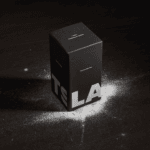
Best electrolyte supplement 2026: LMNT (Elemental Labs) — the science-backed pick. 1000mg sodium, 200mg potassium, 60mg magnesium per packet. No sugar, no artificial sweeteners. Created by scientists from the a popular neuroscience podcast network.
| Protocol / Timing | Supplement & Dose | When | Mechanism / Notes | |
|---|---|---|---|---|
| Daily baseline | Sodium 1000-2000mg + Potassium 1000mg + Magnesium 200mg | Throughout day in water | Minimum for sedentary adults — most people are sodium-deficient | 🥇 |
| Endurance training (60+ min) | Sodium 1500-3000mg + Potassium 500mg per hour | During exercise, every 20 min | Sweat rate = 1-2L/hour; sodium loss = 700-1200mg/L | 🏃 |
| Fasted training | Sodium 1000mg + Potassium 500mg + Magnesium 200mg | Before fasted workout | Prevents cortisol spike and performance drop from electrolyte depletion | ⚡ |
| Heat / sauna protocol | Sodium 2000-3000mg + Potassium 1000mg | Before + during heat exposure | Replace sweat losses — critical for blood pressure stability | 🌡️ |
| Extended fasting (24h+) | Salt 1/4 tsp + Potassium citrate 1g + Magnesium 200mg | Morning and afternoon | Prevents refeeding syndrome and electrolyte crash — crucial | 🚨 |
Why Most Sports Drinks Fail
Gatorade contains 36g of sugar and only 160mg sodium — enough to spike insulin and cause a crash, not enough sodium to actually drive hydration. The electrolyte that matters most is sodium (1000mg+ per litre of sweat) not the tiny amounts in mainstream drinks.
In This Article
 🥇 LMNT
Affiliate disclosure: NordVital earns a commission at no extra cost to you.
Frequently Asked Questions
Editor’s Top Pick
Top-Rated Supplement
Affiliate link: we may earn a commission at no extra cost to you.
Why Electrolytes Matter More Than Most People Realize
Electrolytes — sodium, potassium, magnesium, chloride, and calcium — are minerals that carry an electrical charge and are essential for nerve transmission, muscle contraction, and fluid balance. You lose them through sweat, making replenishment critical during exercise, fasting, or in hot weather.
The Four Key Electrolytes for Athletes
- Sodium (500–2000mg) — the primary electrolyte in sweat and the main driver of fluid retention. Most commercial “sports drinks” are severely under-dosed. Heavy sweaters need 1500–3000mg/hour in hot conditions.
- Potassium (200–400mg) — critical for heart rhythm, muscle function, and sodium balance. Banana cliché aside, supplemental potassium is often needed during extended exercise.
- Magnesium (200–350 mg) — involved in 600+ enzymatic reactions. Deficiency causes muscle cramps, especially at night or during prolonged exercise.
- Calcium (50–100mg) — triggers muscle contraction. Severe deficiency can cause muscle cramps and cardiac arrhythmias, though dietary intake is usually sufficient.
When to Use Electrolyte Supplements
- Exercise lasting 60+ minutes
- Hot or humid conditions causing heavy sweating
- Intermittent fasting (kidney excretes more sodium when insulin is low)
- Low-carbohydrate or ketogenic diets (same mechanism)
- Hangover recovery (alcohol increases electrolyte excretion)
What to Look for in an Electrolyte Supplement
Avoid supplements with excessive sugar (sports drinks). Look for at least 500–1000mg sodium per serving, with meaningful potassium and magnesium. Powders are often more cost-effective than tablets. Key minerals should be in their most bioavailable forms: magnesium citrate or glycinate (not oxide).
When You Actually Need Electrolyte Supplements
Electrolyte supplements are genuinely necessary in specific situations — and completely unnecessary in others. The key is understanding what electrolytes do and when dietary intake falls short.
Electrolytes regulate fluid balance inside and outside cells, enable nerve impulse transmission, and control muscle contractions. Sodium, potassium, magnesium, and chloride are the primary players. You lose all of them through sweat — but the amounts vary dramatically based on duration, intensity, and environmental conditions.
You Need Electrolyte Supplementation If:
- Exercise sessions exceed 60-90 minutes at moderate-high intensity
- You sweat heavily (visible salt rings on clothing are a marker)
- You’re training in heat or humidity
- You’re following a low-carb or ketogenic diet (ketosis increases sodium excretion)
- You experience muscle cramps, headaches, or fatigue despite adequate hydration
You Probably Don’t Need Them If:
- Exercise is under 45 minutes at moderate intensity in normal conditions
- You eat a diet with adequate sodium, fruits, and vegetables
- Your main goal is “general wellness” or hydration without significant physical exertion
What Makes a Good Electrolyte Supplement
Effective products provide meaningful sodium (300-700mg per serving), potassium (150-300mg), magnesium (30-60mg), and optionally chloride. Many consumer products dramatically underdose sodium — which is the primary electrolyte lost in sweat — in an attempt to appear “low sodium” and more health-positioned. This is counterproductive for athletic use.
Avoid products with excessive sugar unless used during endurance events (where glucose aids carbohydrate absorption). For general training and daily use, sugar-free or minimally sweetened formulas at under 30 calories per serving are preferable.
Third-party tested products (NSF Certified for Sport) are worth paying for if you’re a competitive athlete subject to drug testing — some electrolyte products contain stimulants or undisclosed compounds.



Level up your recovery
Supplements work best alongside the right recovery tools. Explore our gear guides: