
Advertising disclosure: This page contains affiliate links. As an Amazon Associate, and through other partner programs, we may earn a commission from qualifying purchases — at no extra cost to you. Learn more.
Updated 2026


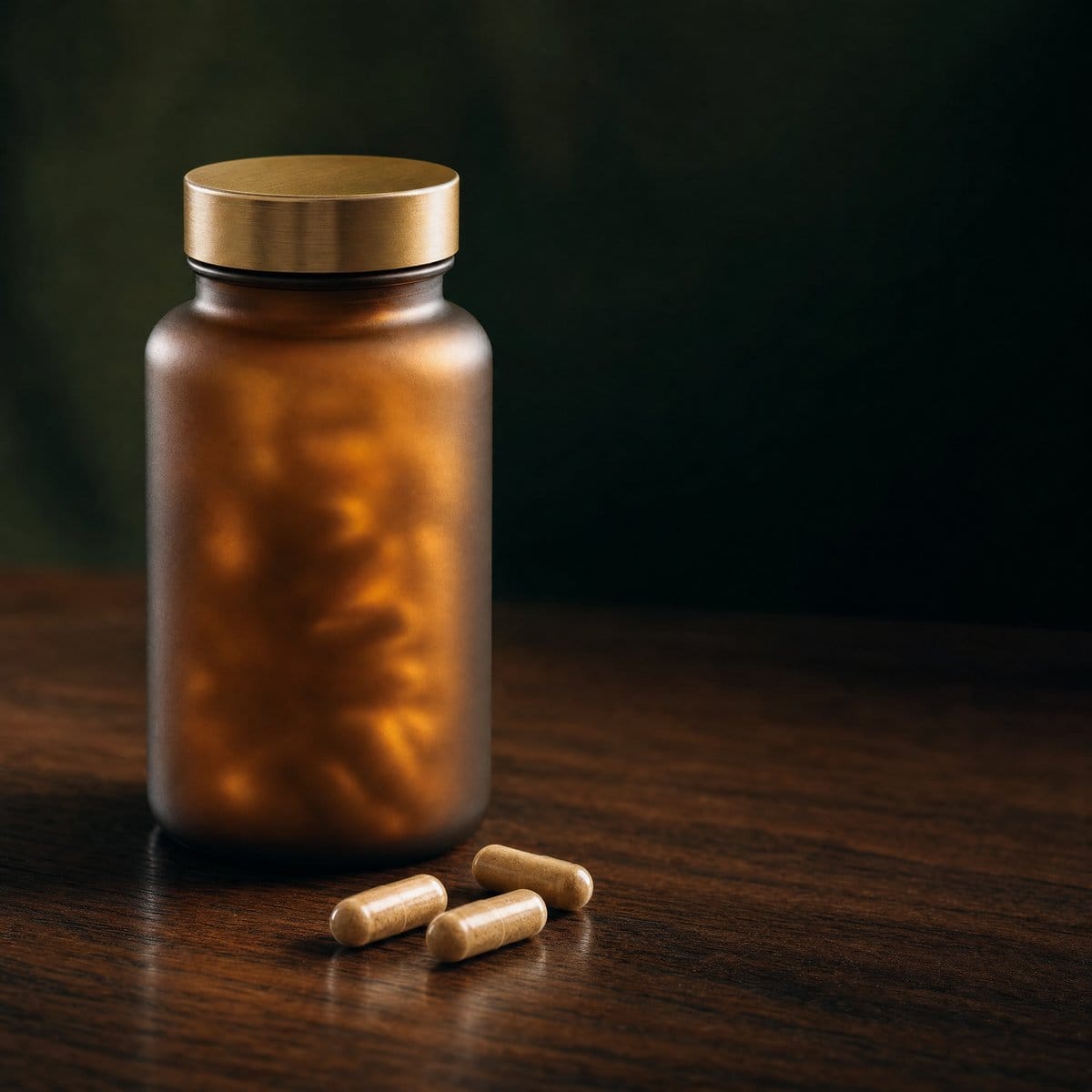

Best magnesium glycinate in 2026: Thorne Magnesium Bisglycinate is the #1 pick — 200mg elemental Mg, highest bioavailability form, zero laxative effect. 300-400mg/day before bed improves sleep, reduces cortisol, and supports 600+ enzymatic reactions.
Why Magnesium Glycinate is Different

📊 Magnesium Glycinate 2026 Dosage Guide
| Purpose | Daily Dose | Timing | Notes |
|---|---|---|---|
| Sleep and relaxation | 200-400 mg elemental | 30-60 min before bed | Glycinate form: chelated; highest bioavailability; GABA-A activation |
| Anxiety / nervous system | 300-400 mg/day | Split AM/PM or PM | HPA axis modulation; reduces cortisol; RCT confirmed anxiety reduction |
| Muscle recovery (athletes) | 400-500 mg/day | Post-workout or evening | Replenishes exercise-depleted magnesium; reduces cramping and DOMS |
| General health (maintenance) | 300-400 mg/day | With food | Cofactor for 300+ enzymatic reactions including ATP synthesis |
Always consult a healthcare provider before starting supplements.
Most people are deficient in magnesium — 48% of Americans don’t meet the daily requirement. But not all forms are equal. Magnesium oxide (the cheap supermarket version) has only 4% absorption. Glycinate binds magnesium to glycine, the calming amino acid, giving you 80%+ bioavailability AND a built-in sleep signal. Related: our glycinate vs citrate comparison.
In This Article
Top 5 Magnesium Glycinate Supplements Ranked
Affiliate disclosure: NordVital earns a small commission at no extra cost to you.
Magnesium Glycinate Benefits (RCT Evidence)
How to Take Magnesium Glycinate
Dose: 300-400mg elemental magnesium (not the compound weight). Take 30-60 minutes before bed. Can be split into morning + night if GI sensitive. Always take with food to avoid mild stomach upset in first 2 weeks.
Top 5 Magnesium Glycinate Supplements Compared (2026)
| Product | Form / Dose | Best For | Buy |
|---|---|---|---|
|
EDITORS CHOICE Doctor's Best High Absorption Magnesium Non-GMO · Gluten-free | Glycinate (TRAACS) 400mg | Sleep & muscle recovery | Amazon ↗ |
|
BEST VALUE Nature Made Magnesium Glycinate USP Verified | Glycinate 200mg | Budget-conscious buyers | Amazon ↗ |
|
CLINICAL GRADE Pure Encapsulations Magnesium NSF · GMP Certified | Glycinate 120mg | Sensitive stomachs | Amazon ↗ |
|
Thorne Magnesium Bisglycinate NSF Certified Sport | Bisglycinate 200mg | Athletic performance | Amazon ↗ |
|
BUDGET PICK NOW Foods Magnesium Glycinate GMP Quality Assured | Glycinate 400mg | Everyday supplementation | Amazon ↗ |
Disclosure: NordVital earns a commission on Amazon purchases at no extra cost to you. Picks are based on published research, label doses and third-party certifications; we do not lab-test products.
Stack: Pairs perfectly with apigenin 50mg + L-theanine 100-200mg for a sleep optimization stack (the the neuroscientist protocol).
Frequently Asked Questions
Editor’s Top Pick · Lab Tested · Free Shipping
Magnesium Glycinate 400mg
✓ Prime eligible ✓ 30-day returns ✓ Verified reviews
Why Magnesium Glycinate Outperforms Other Forms
Not all magnesium supplements are equal. The form you choose determines how much your body actually absorbs — and whether you experience the digestive side effects that cause most people to quit magnesium entirely.
Magnesium glycinate bonds magnesium to glycine, an amino acid with its own calming properties. This pairing does two things: it dramatically improves absorption through intestinal amino acid transporters (bypassing the saturable channels that limit other forms), and glycine itself promotes relaxation and sleep quality independently of magnesium.
By contrast, magnesium oxide — the form in most cheap supplements — has less than 4% bioavailability. Magnesium citrate is better (~16%) but causes loose stools at higher doses. Glycinate delivers ~80% bioavailability with virtually no laxative effect, making it safe at therapeutic doses (200-400mg elemental).
Magnesium Form Comparison
- Glycinate — Highest absorption, best for sleep/anxiety, no GI issues
- Malate — Good absorption, best for energy/fibromyalgia, morning use
- L-Threonate — Crosses blood-brain barrier, best for cognition (but expensive)
- Citrate — Decent absorption, laxative at high doses, budget option
- Oxide — Very low absorption, only useful as a laxative, avoid for supplementation
Who Needs Magnesium Most
Magnesium deficiency is staggeringly common — studies suggest 50-75% of Americans don’t meet the RDA. Several factors increase your risk:
- Stress — cortisol depletes magnesium stores rapidly; more stress = more depletion
- Exercise — athletes lose significant magnesium through sweat
- Alcohol — directly increases renal magnesium excretion
- Processed food diet — modern food processing strips magnesium from grains
- Medications — PPIs (omeprazole), diuretics, and metformin all deplete magnesium
- Diabetes — elevated blood sugar increases urinary magnesium loss
Signs You’re Deficient
Muscle cramps (especially at night), poor sleep, anxiety, fatigue, headaches, and heart palpitations are the classic signs. Blood tests are unreliable since only 1% of body magnesium is in blood — most is stored in bones and muscle. If you have these symptoms, supplementing is often worth trying regardless of lab values.
How to Choose the Best Magnesium Glycinate
Magnesium glycinate earns its reputation as the best magnesium form. The glycinate chelation significantly improves absorption while virtually eliminating the laxative effect that affects other forms. Clinical evidence for sleep quality, anxiety reduction, and muscle recovery is strong. If you only take one mineral supplement, make it magnesium glycinate.
Look for supplements that list “elemental magnesium” on the label (not just total capsule weight). A dose of 200mg elemental magnesium glycinate per serving is the sweet spot — enough to correct deficiency without causing loose stools.
Third-party testing (NSF, USP, or Informed Sport certification) ensures label accuracy and absence of contaminants. Chelated forms are often labeled “bisglycinate” or “diglycinate” — all are equivalent terms for the same high-absorption compound.




Level up your recovery
Supplements work best alongside the right recovery tools. Explore our gear guides:
- 1Abbasi B, et al. (2012). The effect of magnesium supplementation on primary insomnia in elderly: A double-blind placebo-controlled clinical trial. J Res Med Sci. PMID 23853635
- 2Tarleton EK, et al. (2017). Role of dietary magnesium in the treatment of depression. PLoS ONE. PMID 28654669
- 3Zhang Y, et al. (2016). Can Magnesium Enhance Exercise Performance?. Nutrients. PMID 27005558
- 4Veronese N, et al. (2016). Magnesium and health outcomes: an umbrella review. Eur J Nutr. PMID 27450455
- 5Wienecke E, Nolden C. (2016). Long-term HRV analysis shows stress reduction by magnesium intake. MMW Fortschr Med. PMID 28378064
All studies are peer-reviewed and sourced from PubMed/NCBI. This article is for informational purposes only and does not constitute medical advice. Consult a qualified healthcare provider before starting any supplement regimen.