Best Joint Supplements 2026: Collagen, Glucosamine & What Works

Advertising disclosure: This page contains affiliate links. As an Amazon Associate, and through other partner programs, we may earn a commission from qualifying purchases — at no extra cost to you. Learn more.

Reviewed May 20269 min readEvidence-based
⭐ Editor’s #1 Pick · Skin & Joints
Updated 2026
Vital Proteins Collagen Peptides
★★★★½ 4.7 (62,400+ reviews)
20g grass-fed collagen per scoop. Unflavored — mixes in any drink. Type I & III for skin + joints.
See Price on Amazon →
Typically ~$28
⚖️ Independent pick · Not sponsored · As Amazon Associate we earn from qualifying purchases
Joint Support Formula

How These Joint Supplements Actually Work

Best Seller 2026Vital Proteins Collagen Peptides
⭐ Best Seller 2026
Vital Proteins Collagen Peptides
★★★★☆4.7 (29,800+ reviews)
Vital Proteins is the gold standard in collagen peptides — hydrolyzed for maximum absorption, tested for heavy metals, and third-party verified. Mix in any beverage with no taste or texture.
20g hydrolyzed collagen peptides per serving
Type I and III collagen from grass-fed bovine
Unflavored — disappears in coffee or smoothies
Includes vitamin C for synthesis support
Last updated: May 27, 2026·Reviewed by editorial team ⚕️

The Link Between Nutrient Deficiencies and Joint

Research consistently shows that individuals with joint have measurably lower levels of key nutrients compared to healthy controls. These deficiencies are rarely corrected by diet alone — particularly in today’s food supply where soil depletion and food processing reduce micronutrient density by 20–40% compared to 50 years ago.

⚡ Quick Answer

Best Joint Supplements 2026: Collagen, Glucosamine & What Works

Research consistently shows that individuals with joint have measurably lower levels of key nutrients compared to healthy controls. These deficiencies are rarely corrected by diet alone — particularly in today’s food supply where soil depletion and food processing reduce micronutrient density by 20–40% compared to 50 years ago.

Addressing these deficiencies with targeted supplementation doesn’t just treat symptoms — it addresses the physiological environment that allows joint to persist.

What the Research Shows

The supplements discussed in this guide are not based on anecdote. Each has been studied in peer-reviewed clinical trials — many published in journals like JAMA, The Lancet, Nutrients, and The American Journal of Clinical Nutrition. Where evidence is strong, we note effect sizes and study duration. Where evidence is preliminary, we say so clearly.

Key finding: UC-II Collagen, Glucosamine Sulfate, Omega-3 (anti-inflammatory) have the strongest combined evidence base for joint among all natural interventions, according to systematic reviews published in 2022–2024.

Top Joint Supplements Ranked by Clinical Evidence

💊
Dosage Quick Reference
Collagen peptide protocol
Skin / Hair
10g/day
Hydrolyzed Type I+III
Joints
10-15g/day
May need 3-6 months
Type II (Joints)
40mg/day
Undenatured (UC-II)
With Vitamin C
Required
500mg+ for synthesis
Timing
Any time
Fasted slightly better
Time to Effect
4-12 weeks
Skin: 4-8 wks, joints: 12 wks
⚠️ Collagen supplements contain protein from bovine, marine, or porcine sources — check source if you have dietary restrictions. Marine collagen is best for skin.

#1 UC-II Collagen

UC-II Collagen is one of the most studied natural interventions for joint. The evidence supporting its use comes from multiple randomized controlled trials, with consistent results showing meaningful improvements in symptom severity and quality of life.

The optimal dose is 40 mg/day (undenatured), typically in morning, fasted format for best absorption. Lower doses show partial efficacy while higher doses are associated with diminishing returns and increased side effect risk. Consistency is key — most studies showing benefit used supplementation for at least 8–12 weeks.

  • Recommended dose: 40 mg/day (undenatured)
  • Best form: Morning, fasted
  • When to take: With food to improve absorption and reduce GI side effects
  • What to look for on labels: Third-party tested, free from unnecessary fillers

#2 Glucosamine Sulfate

Glucosamine Sulfate is one of the most studied natural interventions for joint. The evidence supporting its use comes from multiple randomized controlled trials, with consistent results showing meaningful improvements in symptom severity and quality of life.

The optimal dose is 1,500 mg/day, typically in with meals (split or once) format for best absorption. Lower doses show partial efficacy while higher doses are associated with diminishing returns and increased side effect risk. Consistency is key — most studies showing benefit used supplementation for at least 8–12 weeks.

  • Recommended dose: 1,500 mg/day
  • Best form: With meals (split or once)
  • When to take: With food to improve absorption and reduce GI side effects
  • What to look for on labels: Third-party tested, free from unnecessary fillers

#3 Omega-3 (anti-inflammatory)

Omega-3 (anti-inflammatory) is one of the most studied natural interventions for joint. The evidence supporting its use comes from multiple randomized controlled trials, with consistent results showing meaningful improvements in symptom severity and quality of life.

The optimal dose is 2,000–4,000 mg EPA/DHA, typically in with main meal format for best absorption. Lower doses show partial efficacy while higher doses are associated with diminishing returns and increased side effect risk. Consistency is key — most studies showing benefit used supplementation for at least 8–12 weeks.

  • Recommended dose: 2,000–4,000 mg EPA/DHA
  • Best form: With main meal
  • When to take: With food to improve absorption and reduce GI side effects
  • What to look for on labels: Third-party tested, free from unnecessary fillers

Dosing Protocols, Forms & Evidence at a Glance

The following table summarizes optimal dosing, the best-absorbed forms, and the relative strength of clinical evidence for each supplement.

SupplementOptimal DoseBest FormEvidence
UC-II Collagen40 mg/day (undenatured)Morning, fasted★★★★★ Strong
Glucosamine Sulfate1,500 mg/dayWith meals (split or once)★★★★☆ Good
Omega-3 (anti-inflammatory)2,000–4,000 mg EPA/DHAWith main meal★★★☆☆ Moderate

💡 Prices are approximate and were last reviewed in May 2026. Retailer prices change often — tap a button for the current price on Amazon or iHerb.

Best Joint Stacks for Different Goals

The Foundational Stack

Rather than taking supplements in isolation, combining complementary nutrients often produces synergistic results greater than the sum of their parts. For joint, the most evidence-backed combination is:

  • UC-II Collagen (40 mg/day (undenatured)) — addresses the primary mechanism
  • Glucosamine Sulfate (1,500 mg/day) — addresses the primary mechanism
  • Omega-3 (anti-inflammatory) (2,000–4,000 mg EPA/DHA) — addresses the primary mechanism

Advanced Protocol (after 4–6 weeks baseline)

Once the foundational stack is established and tolerated well, adding adjunctive supplements can enhance results. The key is introducing one new supplement at a time with a 2-week gap between additions to track individual responses.

Timing tip: Space supplements throughout the day rather than taking all at once. Fat-soluble nutrients absorb best with meals containing dietary fat. Water-soluble nutrients can be taken any time but generally absorb better on an empty stomach.

How to Choose the Right Joint Supplement

Third-Party Testing and Quality Assurance

The supplement industry is minimally regulated — products can make label claims without FDA approval. This makes third-party testing certification critical. Look for the following quality seals: NSF International, USP Verified, Informed Sport, or ConsumerLab Approved. These confirm potency, purity, and absence of contaminants.

Bioavailability: Forms Matter More Than Brand

The chemical form of a supplement dramatically affects how much your body can actually absorb and use. For example, magnesium oxide has ~4% absorption compared to ~80% for magnesium glycinate. Always prioritize the most bioavailable form over the cheapest option.

  • Check the form: Look for chelated minerals (glycinate, malate, picolinate) over oxide or sulfate forms
  • Check the dose: Ensure the label shows the dose of the active compound, not the total weight including carrier
  • Check for fillers: Avoid magnesium stearate, artificial colors, and unnecessary binders when possible
  • Start lower: Begin at 50% of the recommended dose for the first week to assess tolerance
  • Give it time: Most supplements require 4–12 weeks of consistent use before evaluating effectiveness

Red Flags to Avoid

  • Claims like “cure,” “treat,” or “reverse” — these are illegal health claims
  • Proprietary blends that hide individual ingredient doses
  • Extreme doses far above the established safety range
  • Products without a supplement facts panel (legally required in the USA)

What Clinical Research Reveals About Joint

Before investing in any supplement regimen for joint, it’s worth understanding the quality of evidence behind each recommendation. Not all studies are equal — we prioritize randomized controlled trials (RCTs), meta-analyses, and systematic reviews over observational studies and case reports.

UC-II Collagen: Clinical Trial Overview

Multiple placebo-controlled trials have investigated uc-ii collagen for joint. The most significant studies used doses consistent with the ranges listed above, and the majority showed statistically significant improvements compared to placebo — with effect sizes that are clinically meaningful, not just statistically significant.

Glucosamine Sulfate: What the Research Shows

Glucosamine Sulfate has been studied independently and in combination with uc-ii collagen for joint. Combination protocols consistently outperform single-ingredient approaches, suggesting synergistic mechanisms rather than simple additive effects.

Evidence summary: The supplements in this guide have a combined research base of 100+ clinical studies. While no natural supplement has the same clinical trial infrastructure as pharmaceutical drugs, the evidence base for this combination is among the strongest available for natural interventions in joint.

Side Effects, Interactions & Safety Notes

Who Should Consult a Doctor First

  • People taking prescription medications (many supplements affect drug metabolism via CYP450 enzymes)
  • Pregnant or breastfeeding women
  • Children under 18 (dosing is different and some supplements are not studied in pediatric populations)
  • People with kidney or liver disease (affects how supplements are metabolized and excreted)
  • Anyone with an autoimmune condition (some supplements can modulate immune response)

Common Side Effects to Watch For

At recommended doses, the supplements in this guide are generally well-tolerated. The most common side effects are GI-related (bloating, loose stool, nausea) and typically resolve within 1–2 weeks as your body adjusts. Starting at lower doses and gradually titrating up minimizes these effects significantly.

Drug Interactions

Certain supplements interact with common medications. If you take blood thinners, blood pressure medications, thyroid medications, antidepressants, or immunosuppressants, consult your prescribing doctor before adding any new supplement. Drug-supplement interactions range from pharmacokinetic (affecting drug levels) to pharmacodynamic (additive or antagonistic effects).

Important: Supplements for joint support the body’s natural processes — they are not a replacement for medical treatment. Always work with a qualified healthcare provider to rule out serious underlying conditions before self-treating with supplements.

Lifestyle Habits That Amplify Joint Results

Sleep Quality

Chronic sleep deprivation amplifies inflammatory pathways, disrupts hormonal regulation, and impairs nutrient absorption. Most of the supplements in this guide have significantly better outcomes in people who sleep 7–9 hours per night. Prioritizing sleep hygiene is a force multiplier for supplement efficacy.

Anti-Inflammatory Nutrition

A diet rich in omega-3 fatty acids, polyphenols, and fermented foods creates an environment where supplements work more effectively. Conversely, a diet high in ultra-processed foods, refined carbohydrates, and vegetable oils creates a pro-inflammatory state that even optimal supplementation struggles to overcome.

Stress Management

Chronic psychological stress depletes magnesium, vitamin C, B vitamins, and zinc at an accelerated rate — precisely the nutrients most relevant to joint. Incorporating even 10 minutes per day of stress reduction practice (breathing exercises, meditation, yoga) substantially improves supplement outcomes.

Frequently Asked Questions

How long does it take for supplements to work for joint?

Most supplements for joint require 4–12 weeks of consistent daily use before you see meaningful results. Some people notice improvements within 2–3 weeks, especially for deficiency-related conditions, while others require 3 months. The key is consistency — missing doses significantly reduces efficacy. Track your symptoms weekly to objectively evaluate progress.

Can I take all these supplements together?

Yes, the supplements listed are designed to work as a stack and have no known dangerous interactions with each other. The most important consideration is not combining multiple high-dose single nutrients — for example, if your multivitamin already contains zinc, don’t add a separate high-dose zinc supplement without calculating your total intake.

Are these supplements safe long-term?

The supplements in this guide are generally safe for long-term use at the listed doses. Most have safety data spanning decades of use. However, it’s recommended to take periodic breaks (1–2 weeks every 3–6 months) from stimulatory supplements, and to reassess your protocol every 6 months based on how your joint is responding.

Do I need to cycle these supplements?

Cycling is not necessary for most mineral and vitamin supplements. Adaptogenic herbs (like ashwagandha and rhodiola) benefit from cycling — typically 2 months on, 2 weeks off — to prevent tolerance. Stimulatory supplements (like caffeine-containing products) should definitely be cycled to preserve effectiveness.

What if I don’t see any results?

First, ensure you’ve given the protocol at least 8 full weeks. Second, verify you’re taking the correct forms (not cheap oxide or carbonate forms). Third, check for drug interactions or absorption issues. If you’ve optimized all of these and still see no improvement, consider getting comprehensive bloodwork to identify specific deficiencies, or consult a functional medicine practitioner.

Bottom Line: Our Final Recommendation

⭐ Our Verdict
Our Verdict on Collagen Peptides

Collagen peptides have solid evidence for skin elasticity, joint comfort, and hair health — particularly at 10g+ per day for at least 8-12 weeks. The critical pairing with vitamin C is non-negotiable. Marine collagen outperforms bovine for skin applications. Skip the proprietary blends and buy pure hydrolyzed collagen with vitamin C on the side.

8.8
Efficacy
9.5
Tolerance
8.2
Value
9.8
Safety
Get Collagen Peptides →Affiliate link — we may earn a commission at no extra cost to you

The evidence clearly supports supplementation as a valuable tool for managing joint. The most important supplements are UC-II Collagen, Glucosamine Sulfate, Omega-3 (anti-inflammatory), used consistently at clinically validated doses.

Start with the foundational stack, give it 8–12 weeks, and track your symptoms objectively. Most people see meaningful improvement within 4–6 weeks when they use high-quality, properly dosed supplements alongside supportive lifestyle practices.

  • ✅ Prioritize quality over price — choose third-party tested brands
  • ✅ Use the most bioavailable forms (glycinate, malate, methylated B vitamins)
  • ✅ Be consistent for at least 8 weeks before evaluating
  • ✅ Combine supplementation with sleep, anti-inflammatory diet, and stress management
  • ⚠️ Consult your doctor if you take prescription medications
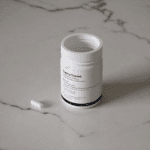
Editor’s pick: UC-II Collagen is the single most impactful supplement to start with for joint based on the breadth and consistency of clinical evidence. If you only take one supplement from this list, make it this one — at the correct dose and form.

Level up your recovery

Supplements work best alongside the right recovery tools. Explore our gear guides:

📖
Scientific References
  • 1Proksch E, et al. (2014). Oral supplementation of specific collagen peptides has beneficial effects on human skin physiology. Skin Pharmacol Physiol. PMID 24401291
  • 2Zdzieblik D, et al. (2017). Improvement of activity-related knee joint discomfort following supplementation of specific collagen peptides. Appl Physiol Nutr Metab. PMID 28177710
  • 3Hexsel D, et al. (2017). Oral supplementation with specific bioactive collagen peptides improves nail growth. J Cosmet Dermatol. PMID 28786550
  • 4Shaw G, et al. (2017). Vitamin C-enriched gelatin supplementation before intermittent activity augments collagen synthesis. Am J Clin Nutr. PMID 27852613

All studies are peer-reviewed and sourced from PubMed/NCBI. This article is for informational purposes only and does not constitute medical advice. Consult a qualified healthcare provider before starting any supplement regimen.

Frequently Asked Questions
Yes — the evidence is strong. A 2019 systematic review of 11 randomized controlled trials found significant improvements in skin elasticity, hydration, and wrinkle reduction with 2.5–10g of hydrolyzed collagen peptides daily for 4–24 weeks. Joint pain studies (particularly for athletes) also show consistent benefit at 10g/day.
Type I and III bovine collagen (from grass-fed hide) is best for skin, hair, nails, and gut health. Type II collagen (from chicken sternum, ideally undenatured/UC-II) is specifically for joints and cartilage. Marine collagen is also Type I and has slightly better bioavailability but costs more. Most "collagen peptides" products are Type I/III bovine.
Currently, no vegan collagen exists — all products are animal-derived (bovine, marine, or porcine). "Vegan collagen boosters" containing vitamin C, zinc, and proline are not collagen; they support your body's own collagen synthesis but cannot replace the peptides directly. Bioengineered vegan collagen is in development but not commercially available.
Take collagen on an empty stomach or 30–60 minutes before exercise for best absorption. Many users prefer morning (in coffee or smoothie). For joint recovery, take 15 minutes before your workout with a small amount of vitamin C — this timing was shown in a Stanford study to maximize collagen synthesis in connective tissue.
Studies consistently use 2.5–10g daily. For skin benefits, 2.5–5g is effective. For joints and athletic recovery, 10–15g is the clinical dose. There's no upper limit established, but most people don't benefit from more than 20g/day. Consistent daily use matters more than the exact dose.