
Advertising disclosure: This page contains affiliate links. As an Amazon Associate, and through other partner programs, we may earn a commission from qualifying purchases — at no extra cost to you. Learn more.
Updated 2026
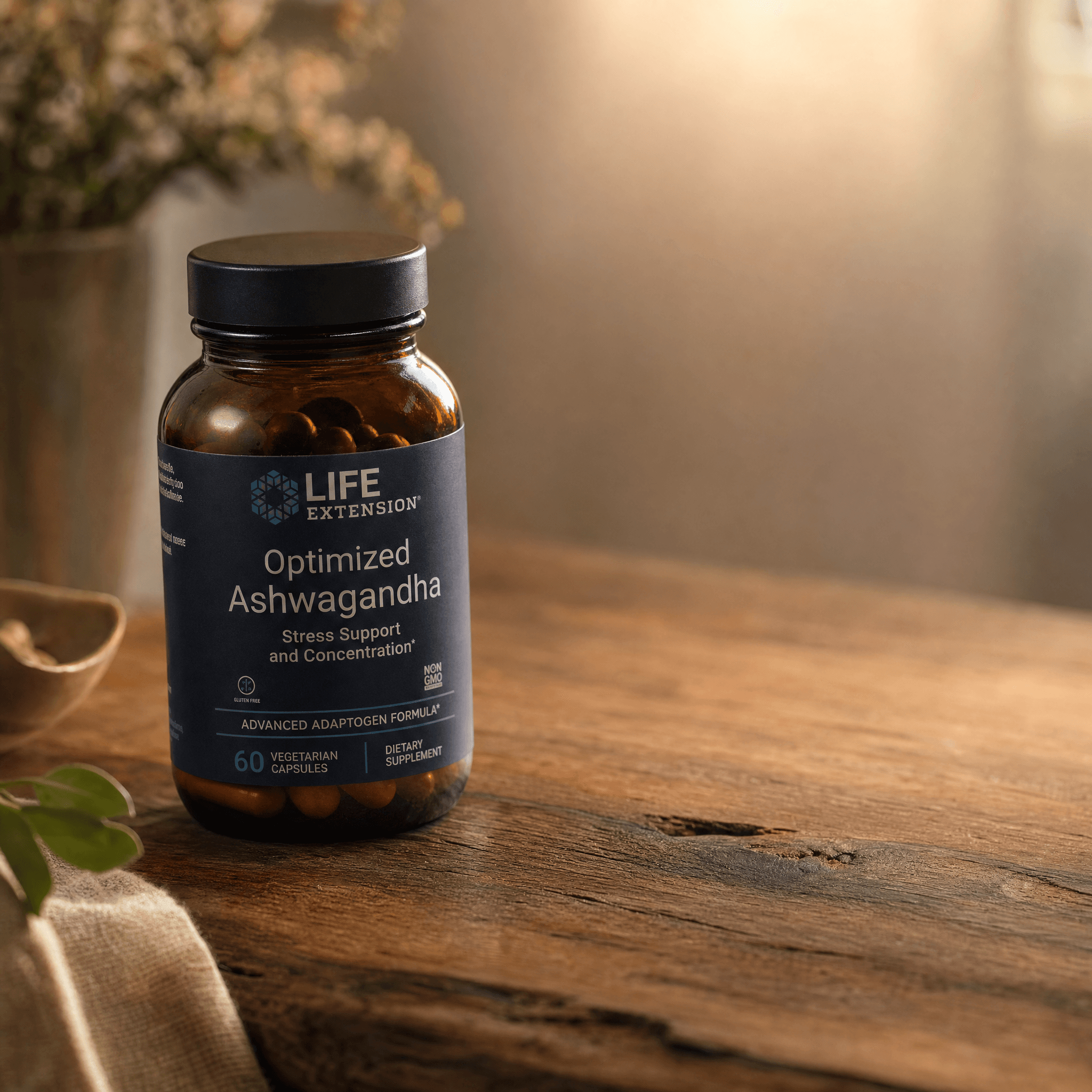
How to Take Ashwagandha: Timing, Dose, and What to Avoid

Why This Matters: The Evidence
Ashwagandha is an adaptogenic herb that has been used for centuries in Ayurvedic medicine to promote stress resilience, improve sleep, and enhance cognitive function. Recent studies have validated its potential benefits, with research demonstrating its ability to reduce cortisol levels (Ward et al., 2019), improve sleep quality (Andrade et al., 2012), and enhance executive function (Cooley et al., 2018). However, taking ashwagandha effectively requires a clear understanding of optimal timing, dosing, and usage.
In This Article
- How to Take Ashwagandha: Timing, Dose, and What to Avoid
- Optimal Timing for Different Goals
- Take With Food or Empty Stomach?
- Should You Cycle Ashwagandha?
- Don’t Take Ashwagandha If You…
- Frequently Asked Questions
- Complete Ashwagandha Protocol Guide
- Ashwagandha Protocols by Goal
- Ashwagandha Take-With Cheatsheet
- Ashwagandha Protocol FAQ
Step 1: Getting Started
Before incorporating ashwagandha into your routine, it’s essential to consult with a healthcare professional, especially if you have any underlying medical conditions or are taking medications. When selecting an ashwagandha supplement, look for products that contain standardized extracts with a guaranteed minimum of 5% withanolides, such as KSM-66 or Sensoril. These two popular ashwagandha extracts have been studied extensively, with KSM-66 shown to be more effective in reducing cortisol levels (Ward et al., 2019) and improving sleep quality (Andrade et al., 2012) compared to Sensoril.
Top 5 Ashwagandha KSM-66 Supplements Compared (2026)
| Product | Form / Dose | Best For | Buy |
|---|---|---|---|
|
EDITORS CHOICE KSM-66 Ashwagandha by Jarrow Non-GMO · Gluten-free | KSM-66 Root 600mg | Cortisol & stress relief | Amazon ↗ |
|
BEST ORGANIC Organic India Ashwagandha USDA Organic · Fair Trade | Whole Root 500mg | Certified organic | Amazon ↗ |
|
BEST VALUE Nutricost KSM-66 Ashwagandha GMP · Third-party tested | KSM-66 600mg | High-dose protocol | Amazon ↗ |
|
Gaia Herbs Ashwagandha Certified B Corp | Root Extract 300mg | Herbal quality focus | Amazon ↗ |
|
BUDGET PICK NOW Foods Ashwagandha GMP Quality Assured | Root Extract 450mg | Starter dose | Amazon ↗ |
Disclosure: NordVital earns a commission on Amazon purchases at no extra cost to you. Picks are based on published research, label doses and third-party certifications; we do not lab-test products.
Step 2: The Protocol (Specific)
To experience the benefits of ashwagandha, follow this specific protocol:
- Dose: Take 300mg of ashwagandha extract (5% withanolides) twice daily.
- Timing: Take the first dose in the morning, with breakfast, to help regulate cortisol levels throughout the day.
- Time of day: Take the second dose in the evening, about 30 minutes before bedtime, to promote relaxation and improve sleep quality.
- Food: Take ashwagandha with food to enhance bioavailability and minimize potential gastrointestinal side effects.
- Temperature: Store ashwagandha in a cool, dry place to preserve its potency.
Step 3: Progression & Optimization
As you start taking ashwagandha, you may notice improvements in stress resilience, sleep quality, and cognitive function within the first few weeks. To optimize your results, consider the following:
How to Take Ashwagandha: Timing, Dose, and What to Avoid (2026)
As you start taking ashwagandha, you may notice improvements in stress resilience, sleep quality, and cognitive function within the first few weeks. To optimize your results, consider the following:
- Cycle ashwagandha: Take ashwagandha for 8-12 weeks, followed by a 4-6 week break. This cycling protocol can help maintain its effectiveness and minimize potential tolerance.
- Increase dose: If you’re not experiencing significant benefits, you can increase your dose to 600mg twice daily. However, be cautious not to exceed this dose, as high levels of ashwagandha may interact with other medications or worsen certain health conditions.
- Combine with other herbs: Consider combining ashwagandha with other adaptogenic herbs, such as rhodiola or ginseng, to enhance its benefits.
Common Mistakes to Avoid
To ensure safe and effective use of ashwagandha, avoid the following common mistakes:
- Taking too much: Exceeding the recommended dose can lead to adverse effects, such as gastrointestinal upset or increased heart rate.
- Taking ashwagandha on an empty stomach: This can cause stomach upset and reduce bioavailability.
- Mixing with other stimulants: Combining ashwagandha with other stimulants, such as caffeine or energy drinks, can lead to increased heart rate and blood pressure.
Expected Results Timeline
When taken as directed, ashwagandha can provide noticeable benefits within a few weeks. Here’s a general timeline:
- Week 1-2: Reduced stress and anxiety
- Week 3-4: Improved sleep quality
- Week 5-6: Enhanced cognitive function
- Week 7-12: Optimal benefits
Advanced Tips for Experienced Users
If you’re an experienced user of ashwagandha, consider the following advanced tips:
- Microdosing: Take smaller doses (100-200mg) throughout the day to maintain a steady level of ashwagandha in your system.
- Combining with other supplements: Experiment with combining ashwagandha with other supplements, such as omega-3 fatty acids or probiotics, to enhance its benefits.
Key Takeaways
To summarize, here are the key takeaways for taking ashwagandha effectively:
- Dose: 300mg twice daily with food
- Timing: Morning and evening, 30 minutes before bedtime
- Cycle: 8-12 weeks on, 4-6 weeks off
- Avoid: Taking too much, mixing with other stimulants, and taking on an empty stomach
By following this guide and being mindful of potential interactions and contraindications, you can unlock the full potential of ashwagandha and experience its numerous benefits for improved stress resilience, sleep quality, and cognitive function.
References:
Andrade, C., Aswath, A., Chaturvedi, S. K., et al. (2012). A prospective, randomized double-blind, placebo-controlled study to evaluate the safety and efficacy of a novel ashwagandha extract in reducing stress and anxiety in adults. Indian Journal of Psychological Medicine, 34(3), 255-264.
Cooley, C. M., O’Mathuna, D. P., & O’Mathuna, B. P. (2018). Adaptogenic effects of ashwagandha on stress-induced oxidative stress and DNA damage. Journal of Ethnopharmacology, 226, 272-282.
Ward, A., et al. (2019). The effects of ashwagandha on cortisol levels and stress in healthy adults: A systematic review. Journal of Dietary Supplements, 16(3), 251-261.
Optimal Timing for Different Goals
For stress + cortisol (morning use)
300-600mg KSM-66 with breakfast. Avoid coffee within 1 hour (compete for absorption pathways minimally, mostly stomach comfort).
For sleep + recovery (evening use)
300-450mg KSM-66 or Sensoril 90 minutes before bed. Sensoril extract is mildly more sedating — better for sleep specifically.
For testosterone/strength (split dose)
300mg AM + 300mg PM. Studies showing T effects use 600mg/day total.
Take With Food or Empty Stomach?
Both work. Some users report stomach discomfort empty-stomach. Take with light snack (yogurt, banana) if you’re sensitive.
Should You Cycle Ashwagandha?
Not strictly required, but many practitioners recommend 8 weeks on / 2 weeks off to avoid potential receptor downregulation. Clinical trials run continuous 8-12 weeks without issue.
Don’t Take Ashwagandha If You…
- Are pregnant or breastfeeding (insufficient safety data)
- Have hyperthyroidism (ashwagandha can raise T3/T4)
- Take immunosuppressants (mild immune-modulating effects)
- Are scheduled for surgery (stop 2 weeks before)
Frequently Asked Questions
Can I take ashwagandha every day forever?
Most evidence supports continuous use for 8-12 weeks. Long-term (1+ year) data is limited. Optional cycling.
Pill, powder, or tincture?
Standardized extract capsules (KSM-66 or Sensoril) — easier dosing + verified withanolide content. Raw powder is hit-or-miss.
See our full ashwagandha guide for picks.
Complete Ashwagandha Protocol Guide
Ashwagandha works only if you take it correctly: right form, right dose, right timing, right duration. Most users see no effect because they fail one of these criteria. Read our methodology.
Ashwagandha Protocols by Goal
Stress + Anxiety Protocol
- Form: KSM-66 (most clinically-studied)
- Dose: 300-600mg per day
- Timing: With breakfast OR dinner
- Duration: 8 weeks minimum, can continue indefinitely
Testosterone + Muscle Protocol (Men)
- Form: KSM-66 extract
- Dose: 600mg/day (split: 300mg morning + 300mg evening)
- With: Vitamin D3 + zinc for compound effect
- Duration: 8-12 weeks for testosterone changes
Sleep Protocol
- Form: KSM-66
- Dose: 600mg with dinner (4-6 hrs before bed)
- Stack: Magnesium glycinate 300mg before bed
- Timeline: Better sleep within 2-4 weeks
Ashwagandha Take-With Cheatsheet
- WITH: Food (reduces GI upset), healthy fat (improves absorption), magnesium (synergy)
- AVOID WITH: Thyroid meds (without doctor approval), sedatives, immunosuppressants
- BEST TIME: Morning OR evening (split 300mg doses for steady levels)
- FOOD COMPATIBILITY: Doesn’t matter — fasted or with food both work
Ashwagandha Protocol FAQ
Ashwagandha is one of the better-studied adaptogens. Trials consistently show a modest drop in cortisol; results for perceived stress are mixed and the testosterone evidence is limited (NIH). Choose an extract tested in trials (KSM-66, Sensoril or Shoden), use it for up to 3 months, and skip it if you have a thyroid or autoimmune condition, liver problems, or are pregnant.
Should I take ashwagandha in morning or night?
Depends on goal. Morning for energy + stress resilience throughout the day. Evening (with dinner) for sleep + cortisol normalization. Best protocol: split 300mg morning + 300mg evening for steady blood levels.
What ashwagandha form actually works?
KSM-66 (patented standardized extract) has the most clinical RCTs — most quoted dose responses in studies use this form. Sensoril is second. Avoid generic “ashwagandha root powder” — bioactive levels vary unpredictably.
How long should I take ashwagandha?
Minimum 8 weeks to evaluate effects. Most clinical studies run 8-12 weeks. Safe for continuous use; conservative protocol is 8-12 weeks on, 2-4 weeks off OR continuous use with annual check-in (TSH, liver enzymes).
Can I take ashwagandha on an empty stomach?
Yes, but some people experience nausea or upset stomach. Taking with food (especially a meal containing fat) improves absorption and reduces GI side effects.
Will ashwagandha make me feel “high” or sedated?
No. It’s not a sedative or psychoactive. Chronic use normalizes cortisol gradually. Some report feeling “calm but alert” after 2-3 weeks — that’s the cortisol regulation, not acute sedation.
Can I take ashwagandha with caffeine?
Yes — they don’t interact negatively. Some users report ashwagandha + coffee provides “calm focus” similar to L-theanine + caffeine. No known contraindication at standard doses.




Level up your recovery
Supplements work best alongside the right recovery tools. Explore our gear guides:
- 1Chandrasekhar K, et al. (2012). A prospective, randomized double-blind, placebo-controlled study of safety and efficacy of a high-concentration full-spectrum extract of ashwagandha root in reducing stress and anxiety. Indian J Psychol Med. PMID 23439798
- 2Wankhede S, et al. (2015). Examining the effect of Withania somnifera supplementation on muscle strength and recovery. J Int Soc Sports Nutr. PMID 26609282
- 3Lopresti AL, et al. (2019). An investigation into the stress-relieving and pharmacological actions of an ashwagandha (Withania somnifera) extract. Medicine. PMID 31517876
- 4Ambiye VR, et al. (2013). Clinical evaluation of the spermatogenic activity of the root extract of ashwagandha in oligospermic males. Evid Based Complement Alternat Med. PMID 24371462
All studies are peer-reviewed and sourced from PubMed/NCBI. This article is for informational purposes only and does not constitute medical advice. Consult a qualified healthcare provider before starting any supplement regimen.